18 Sep 2025 - {{hitsCtrl.values.hits}}
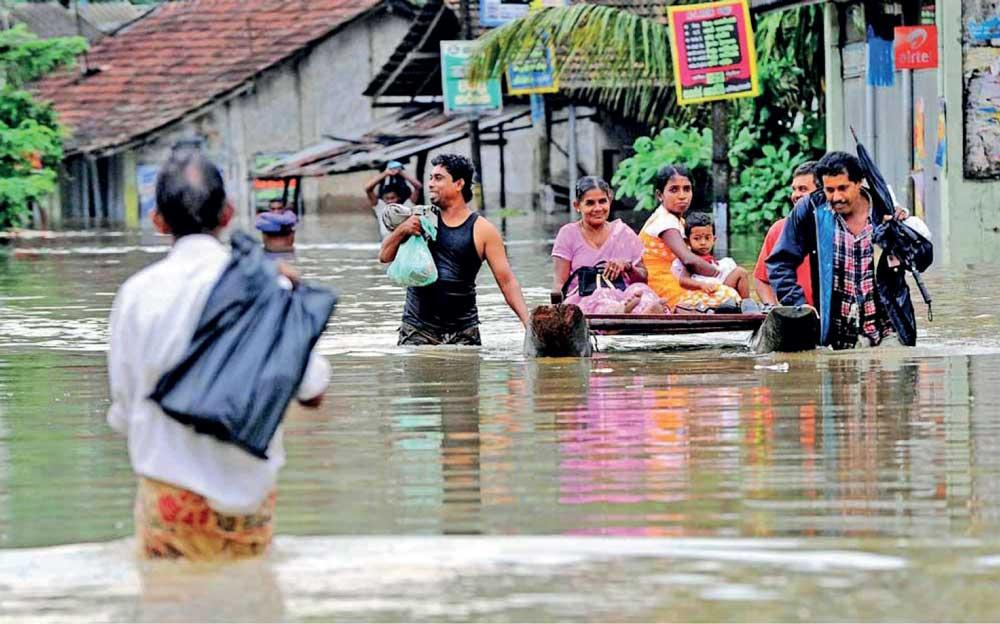
Being a tropical island, Sri Lanka is highly vulnerable to the effects of climate change
 Observed annually on September 16, World Ozone Day commemorates the signing of the Montreal Protocol in 1987, an important international treaty aimed at protecting the ozone layer from substances that deplete it. In order to protect life on Earth from harmful ultraviolet radiation, every nation endeavored to ‘fix the hole in the sky’ through a global partnership. Thus, the Montreal Protocol became the first treaty to achieve universal ratification by all countries. This day serves as a powerful testament to what the world can achieve through collective action in the face of environmental crises.
However, it is also important to maintain the ozone-friendly practices and technologies promoted by this significant achievement, since ozone depletion and climate change are closely linked. When the ozone layer is weakened, it can exacerbate global warming by reducing the atmosphere’s capacity to absorb and store carbon. The United Nations Framework Convention on Climate Change (UNFCCC) states that hydrofluorocarbons used in air conditioners and fridges may not damage the ozone layer directly, but contribute to global warming, and the effects of chemicals released into the atmosphere are seen even decades after they are no longer in use.
As a nation vulnerable to climate change, protecting the ozone layer aligns closely with Sri Lanka’s broader goals of sustainability and public health. The United Nations in Sri Lanka has previously explained that being a tropical island in the Indian Ocean, Sri Lanka has consistently been placed among the top ten countries at risk of extreme weather events by the Global Climate Risk Index.
Climate change poses a significant threat to Sri Lanka’s economy, biodiversity and public health. Rising temperatures and shifting rainfall patterns have led to frequent droughts and flooding which impact agriculture and food security. Intensifying natural disasters also lead to population displacement and the spread of infectious diseases. Moreover, the tourism sector, a key pillar of Sri Lanka’s economy, is at risk since extreme weather degrades natural attractions.
When asked about the measures taken by the government to address this, Assistant Director of the Climate Change Secretariat, Thiris Inoka said that they have already developed a National Climate Change Policy, which serves as the foundation for the National Adaptation Plan.
“This plan covers nine key adaptation sectors, including water, agriculture, and tourism. In collaboration with relevant stakeholders from these sectors, we have identified specific measures to tackle the impact of climate change. Additionally, a provincial level adaptation plan has been introduced to ensure localised responses. We also work closely with the UNFCCC and regularly submit reports such as our Nationally Determined Contributions (NDCs), and share our climate action plans with the international community,” she added.
Inoka further explained that, unlike the Kyoto Protocol, the Paris Agreement assigns specific targets to countries like Sri Lanka, giving them a more active and prominent role. “NDCs are self-defined targets set by each country to achieve their climate goals. Our current NDCs go beyond just mitigation and adaptation sectors - - they also involve social and gender dimensions, aligning with the Sustainable Development Goals,” she noted. In her final remarks, Inoka said that the next crucial step is to develop an implementation plan for each NDC, in order to identify the relevant lead agencies and their capacity to carry out specific measures, ensuring more effective outcomes in the long run.
The multifaceted impacts of climate change in Sri Lanka are already being felt and are expected to intensify in the coming years. This reality highlights the urgent need for adaptive strategies and sustainable development practices, while recognising that meaningful environmental progress depends on global cooperation and shared responsibility.
08 Jun 2026 1 minute ago
08 Jun 2026 9 minute ago
08 Jun 2026 51 minute ago
08 Jun 2026 1 hours ago
08 Jun 2026 2 hours ago