24 Sep 2025 - {{hitsCtrl.values.hits}}
 “Stamps are not just bits of paper but little pieces of history and identity.” – Jithen Ekanayake, Philatelic Club Chairman
“From postal history to stamp design, these exhibits challenge students to think of philately as history, art, and imagination combined.” – Divoj Thoradeniya, Project Chairman
In an era dominated by digital communication, where texts vanish in seconds and emails are skimmed in haste, it may be easy to forget that once upon a time, a small piece of paper with perforated edges carried the weight of human connection
By Oneli Nonis
In an age when messages vanish with a swipe and correspondence is reduced to fleeting lines of text, Royal College, Colombo, has chosen to celebrate a quieter, enduring tradition. The 81st edition of its Royal Philex Exhibition, Asia’s oldest of its kind, opened with a flourish of colour and curiosity, uniting pupils across generations in the art of philately. From Penny Blacks to space-themed collections, stamps became storytellers, carrying echoes of history and glimpses of imagined futures. The event also looks ahead, with the school set to unveil a commemorative stamp on World Postal Day to mark its 190th anniversary.
Since its founding in 1944 under the guidance of Principal E. L. Bradby, the Royal College Philatelic Club has nurtured generations of collectors. Its premier event- the Royal Philex Exhibition- is the oldest philatelic exhibition in Asia and one of the longest-running of its kind in the world.
The 81st Edition was held on September 17th to 19th at the College’s MAS Arena. In its 81st edition, Royal Philex continued to thrive, bringing together students from Grades 3 to 13 and invited schools across Sri Lanka. It is a tradition that has survived pandemics, technological change, and shifting times, yet remains stronger than ever.
The exhibition also looks to the future in a very tangible way. On October 2nd, World Postal Day, Royal College will launch a new commemorative stamp to mark its 190th anniversary.
Designed by members of the school’s Art Circle under the guidance of Mrs. Vidhanagama, the stamp will continue a tradition of celebrating milestones through philately.
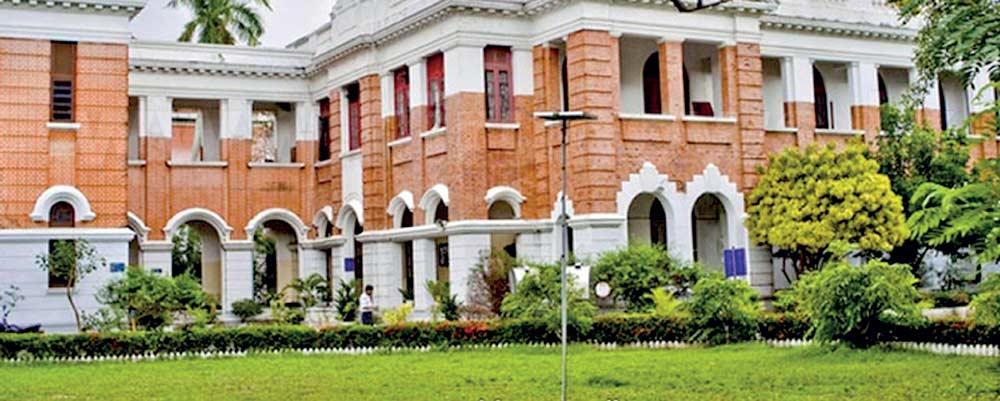
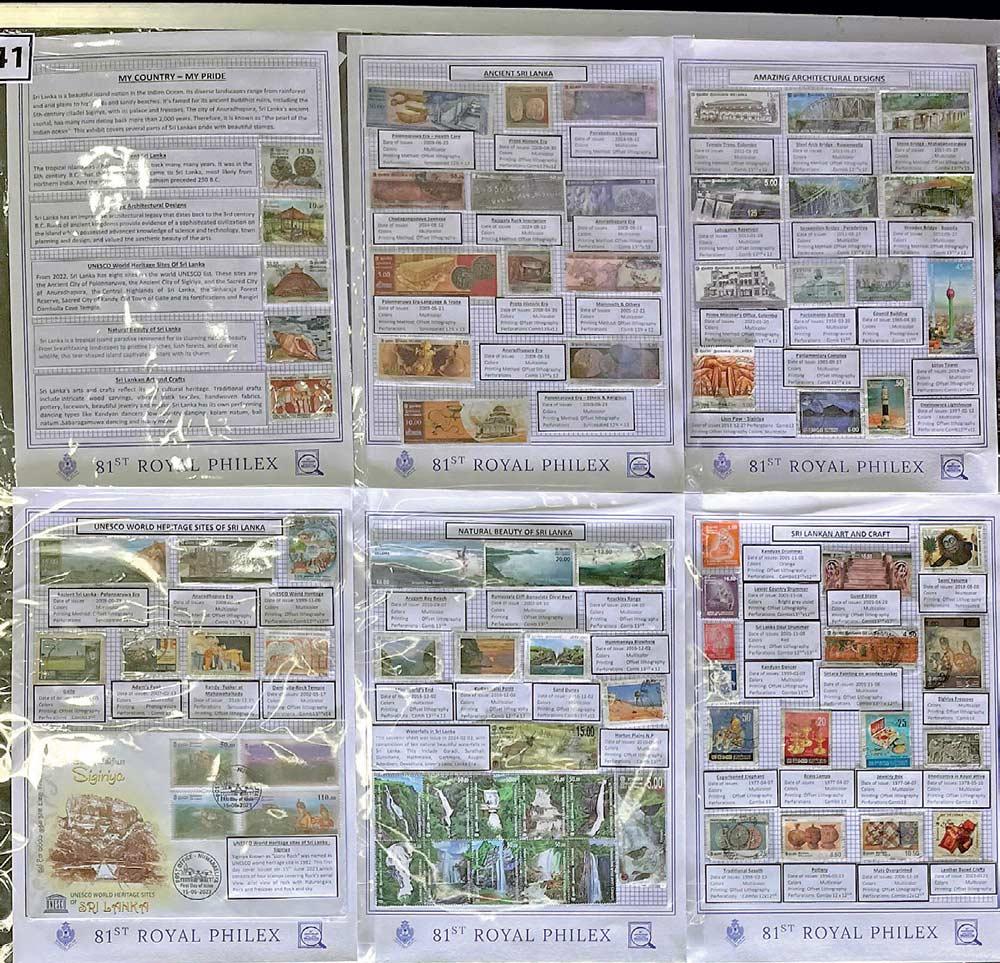
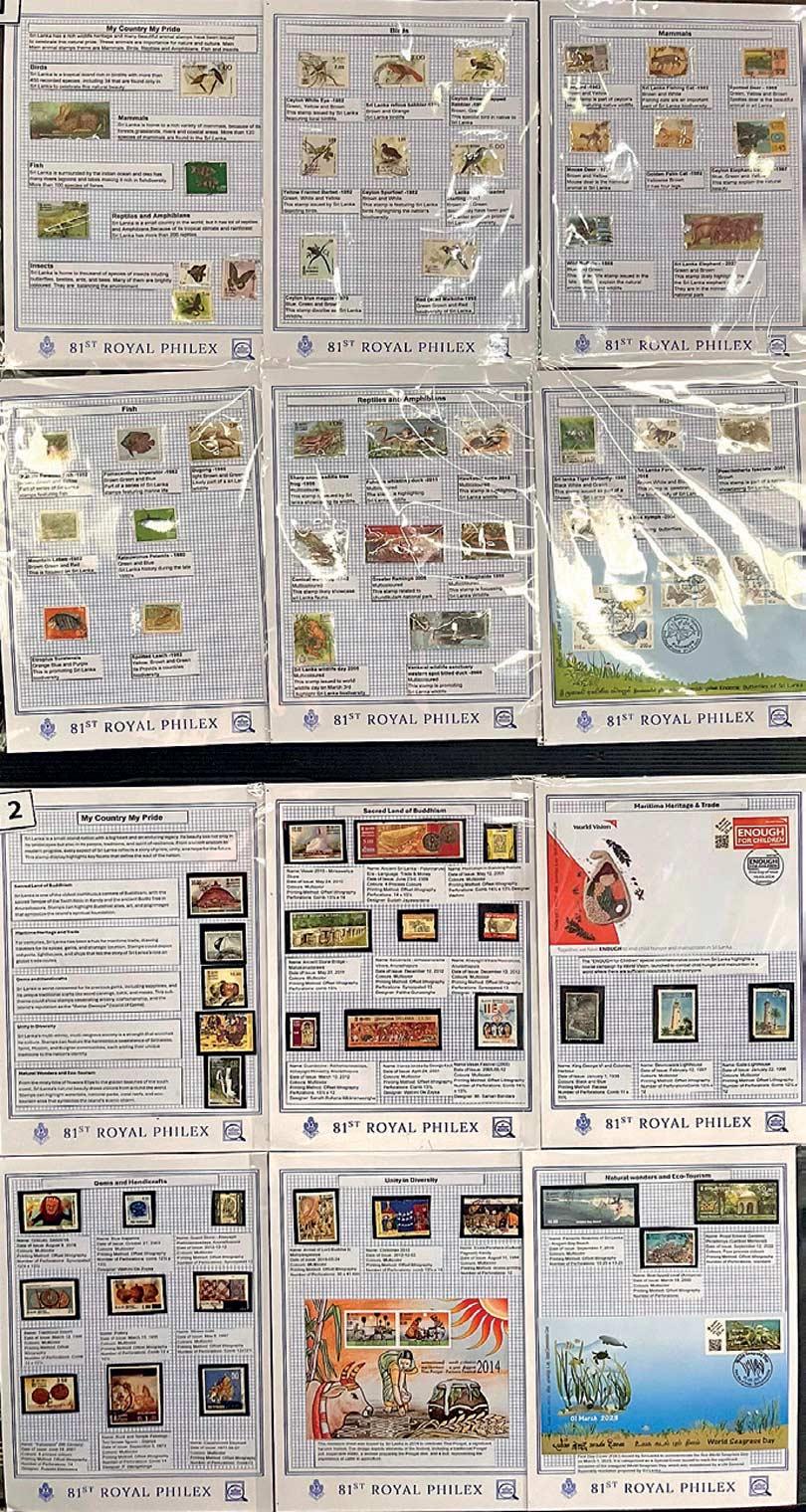
This year’s Royal Philex takes place at Nawaragahala, one of Colombo’s most historic venues. Rows of exhibit boards line the hall, each meticulously prepared by students who have spent months collecting, arranging, and researching.
To the uninitiated, they may look like neat displays of stamps. To the participants, however, they are histories and stories; stories of countries, explorers, cultures, and even imagined futures.
The exhibition is divided into three sections; primary, middle, and upper tailored to different age groups.
Younger collectors are drawn to colourful themes like Stamp Safari: Creatures Big and Small and My Country, My Pride, which encourage them to explore wildlife, landmarks, and traditions. Others present Celebrations & Festivals of the World, where Christmas stamps sit beside Vesak and Diwali, reflecting both diversity and unity.
The middle section, which caters to Grades 6 to 9, turns curiosity into deeper exploration. Themes such as Explorers and Great Journeys or Gadgets on Stamps: Technology Through Time allow students to think about discovery, science, and innovation.
A recurring favourite this year has been space exploration, with many boards dedicated to rockets, satellites, and missions to the moon.
The upper section, meanwhile, challenges senior students to see philately as scholarship. Themes such as Echoes of the Envelope (postal history), Miniature Masterpieces (art and design in stamps), and Mail to the Moon (futuristic philately) demonstrate how stamps embody culture and imagination. For many, it is the first taste of archival work, where philately becomes a serious lens into history.
For Jithen Ekanayake, Chairman of the Philatelic Club, the exhibition is about more than competition.
“The mission of this exhibition is to showcase the creativity not only of Royal Philatelists but also of collectors from various other schools across Sri Lanka. Children gather their collections from parents, grandparents, even friends, and present them in a way I would call truly royal.” The primary section, he adds, is especially heartening:
“It’s where children first learn that stamps are not just bits of paper but little pieces of history and identity.”
Dhulanjana Wickramsinghe, speaking about the middle section, emphasised the camaraderie among participants:
“It’s more than a competition it’s about the brotherhood and the support these students give one another. Many chose space adventure as their theme, which shows how they inspire each other. There is collective learning, not rivalry.”
At the senior level, the intellectual challenge deepens. Divoj Thoradeniya, Project Chairman of the 81st Royal Philex, described the upper section:
“From postal history to stamp design, and even futuristic philately imagining life beyond Earth, these exhibits challenge students to think about philately as history, art, and imagination combined.”
It is this mix-curiosity, camaraderie, and creativity,that has kept the exhibition vibrant for 81 years.
Sri Lanka does not often see exhibitions of this scale and continuity. While philately once thrived as the “hobby of kings,” the rise of digital communication has led many to dismiss it as outdated. Yet Royal College has preserved and expanded the tradition.
Even during the COVID-19 pandemic, when schools were shuttered, Royal Philex continued in an online format before returning physically in 2022.
What makes this exhibition remarkable is not only its longevity but its inclusivity. Once restricted to Royal College alone, it now welcomes schools from across the island, such as Richmond College in Galle, broadening its reach and enriching the experience for participants.
The level of detail is another defining feature. Each exhibit must follow strict guidelines: six pages, 40 to 50 stamps, thematic divisions, and typed descriptions.
Students learn not just to collect but to research, organise, and present their findings with academic rigor. In this sense, the exhibition is as much an educational exercise as it is a hobby.
Among the highlights of this year’s exhibition is the display of rare stamps from Britain’s postal revolution. Leading the showcase is the Penny Black, the world’s first adhesive postage stamp, issued in 1840. A mint-condition Penny Black, along with another copy bearing the red Maltese Cross cancellation, is on view—an extraordinary sight for students and collectors alike.
Accompanying these are the Penny Red and Penny Blue, as well as the historic Malready letter sheet, a short-lived but important postal artifact. For younger visitors, these stamps are tangible links to history lessons; for seasoned collectors, they are glimpses into the roots of philately itself.
But beyond the glass cases and exhibit boards lies a more urgent mission. As Thoradeniya candidly observed:
“Philately is currently a dying hobby, even though it was once known as the hobby of kings. What we are trying to do is to make sure young children get to know it, experience it, and pass it on.”
Indeed, in a world of instant communication, the idea of collecting stamps may seem quaint. Yet Royal Philex demonstrates that philately is more than nostalgia—it is a way of engaging with history, geography, and design.
Each stamp carries a story, whether it is of a nation’s independence, a groundbreaking invention, or an endangered species. For young collectors, that story becomes a source of learning and pride.
The exhibition also looks to the future in a very tangible way. On October 2nd, World Postal Day, Royal College will launch a new commemorative stamp to mark its 190th anniversary. Designed by members of the school’s Art Circle under the guidance of Mrs. Vidhanagama, the stamp will continue a tradition of celebrating milestones through philately.
This is not the first time the school has done so. A commemorative stamp was also issued for the 100th anniversary at Reid Avenue.
The new stamp, however, comes at a time when philately itself is under pressure, and its release is a symbolic act of renewal. It signals that Royal College’s philatelists are not only curators of the past but also contributors to the living heritage of Sri Lanka’s postal history.

08 Jun 2026 7 minute ago
08 Jun 2026 49 minute ago
08 Jun 2026 1 hours ago
08 Jun 2026 2 hours ago
08 Jun 2026 2 hours ago