24 Sep 2025 - {{hitsCtrl.values.hits}}
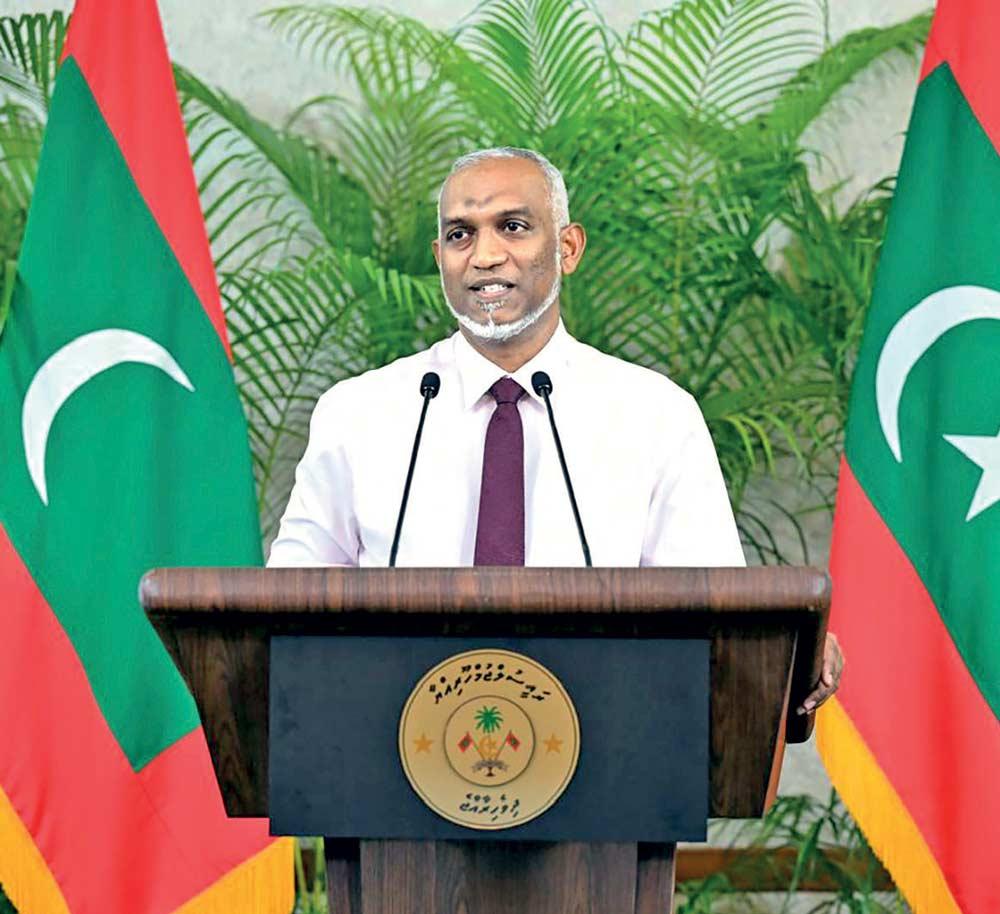
President Dr. Mohamed Muizzu
On September 18, President of Maldives Dr. Mohammed Muizzu signed and ratified the Maldives Media and Broadcasting Regulation Bill (Act No. 16/2025), bringing the legislation into effect. President Muizzu has defended this legislation with a strong commitment to ensuring accountability, emphasizing that the amendments strengthen transparency and modernize media regulation. While some criticisms have surfaced, these have largely been fueled by political opponents seeking to mislead the public, rather than addressing the true intent of the bill. Government sources affirm that the incumbent government has aligned the bill with current global standards.
Objectives
Some of its main objectives are as follows;
A new regulatory body
The main feature of the recently ratified law is the creation of a new regulatory body called the Maldives Media and Broadcasting Commission vested with powers to oversee broadcast, print and online media.
According to media reports, this seven-member commission – three appointed by parliament and four elected by the media – is empowered to take action against outlets deemed to have contravened the law or a code of ethics established by the commission. The law requires the code of ethics to prohibit the spread of “fake news”, content that violates an “individual’s honour and dignity”, content that includes “words, signs, activities or actions that are socially unacceptable”, or content that promotes a religion other than Islam.
The commission has the power to define what constitutes “fake news”, or what violates an individual’s honour within the code of ethics and regulations created under the law.
The law abolishes both the Maldives Media Council – a 15-member regulator for print and online media consisting of public and industry representatives elected by media outlets – and the Maldives Broadcasting Commission, a seven-member body of presidential appointees that regulated television and radio stations.
It also repeals the Newspapers and Magazine Act of 1978 and the Maldives Media Council Act of 2008, along with several provisions from the Broadcasting Act of 2010.
The registry of news media, previously maintained by the Ministry of Youth Empowerment, Information and Art, will be transferred to the new commission. Under the new law, no media outlet will be permitted to operate without registration.
A promise of accountability
Defending the legislation, President Dr. Muizzu said the Act does not restrict freedoms but instead ensures accountability. He said that the laws need to be upheld. “The people elected me to uphold the Constitution. I will establish the rule of law here. Everyone will be equal,” he said addressing a rally in V. Felidhoo a day after the Bill was ratified.
The President argued that the law only prohibits unverified stories and does not prevent truthful reporting. “There is complete freedom in the media to speak the truth. There is freedom to bring the truth to the people. There are no restrictions,” he said.
Muizzu also criticised journalists for opposing the law without fully reviewing it. He further said that concerns raised by journalists were largely based on misinformation.
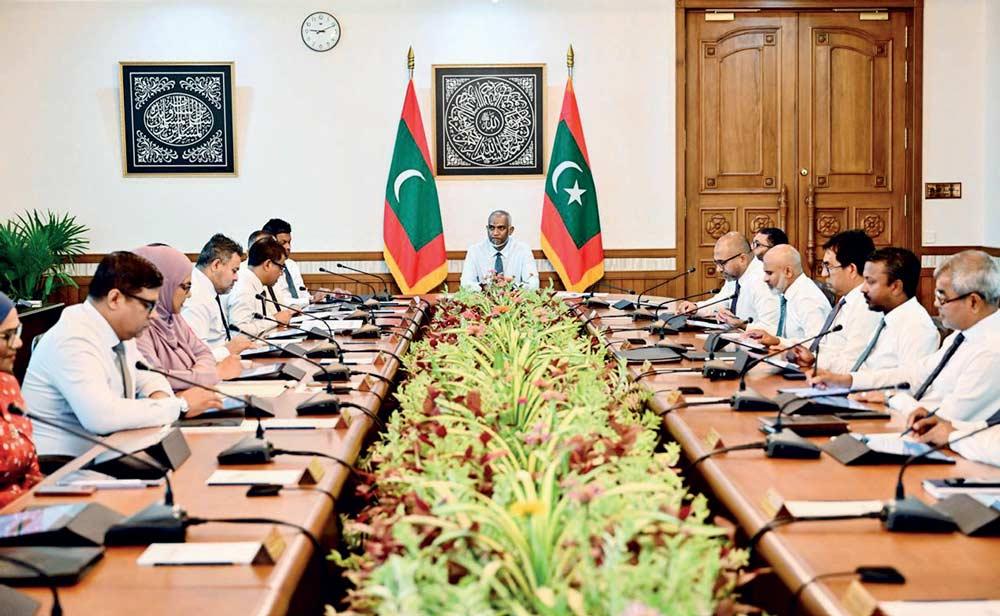
President Dr. Mohamed Muizzu at a cabinet meeting
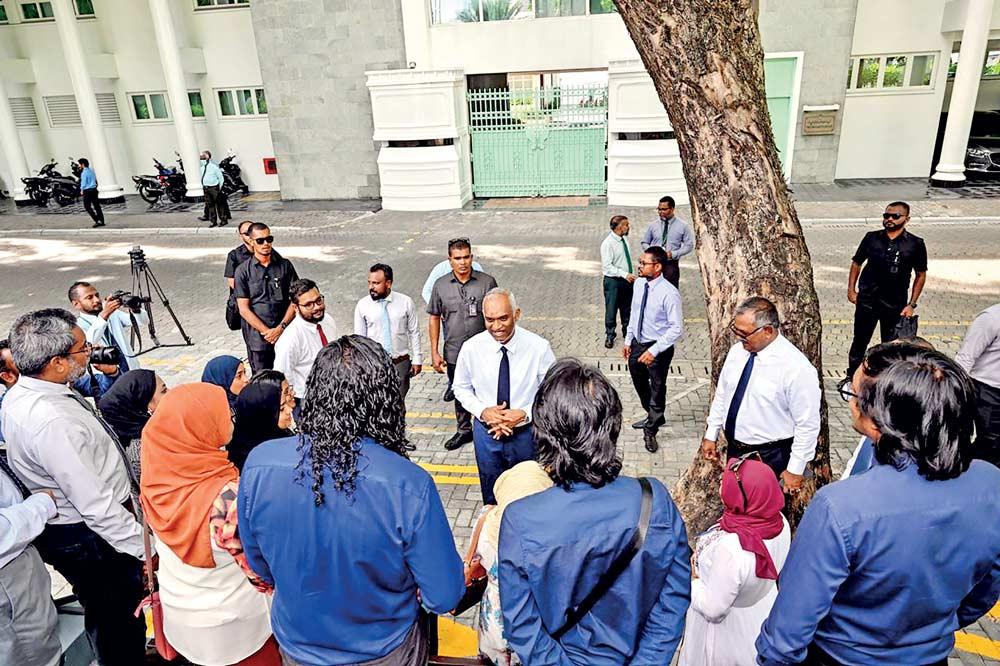
President Dr. Muizzu meeting journalists in front of President’s office
08 Jun 2026 1 minute ago
08 Jun 2026 2 minute ago
08 Jun 2026 10 minute ago
08 Jun 2026 52 minute ago
08 Jun 2026 1 hours ago