03 Jun 2026 - {{hitsCtrl.values.hits}}
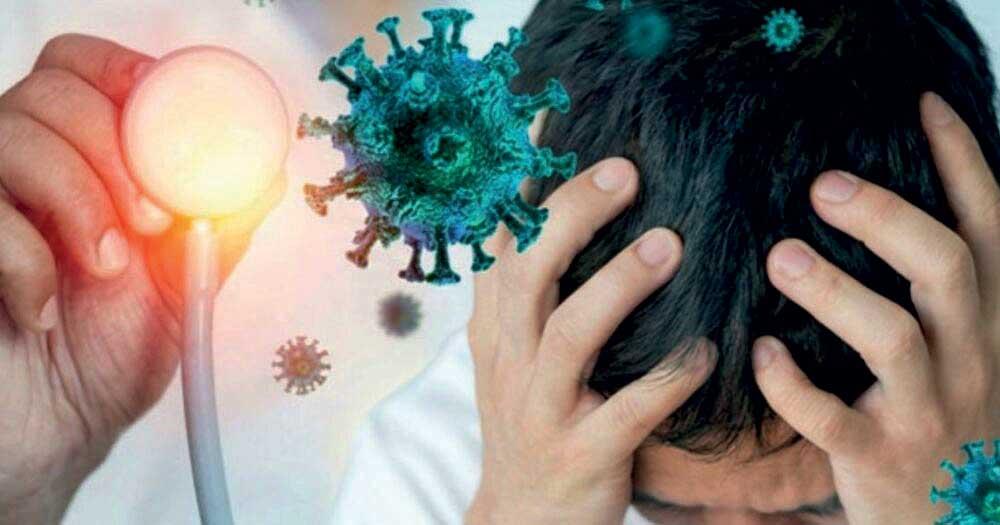
School children have been particularly affected by the meningitis outbreak
As many as 243 meningitis cases have been reported from several areas in Matara, Kandy, Nuwara Eliya and Badulla Districts. The disease was initially reported as a cluster infection on April 15 from a school in Deniyaya, coming under the purview of the Kotapola Medical Officer of Health (MOH) area. A national level disease surveillance was subsequently launched by authorities to monitor the situation.
Symptoms and methods of transmission
|
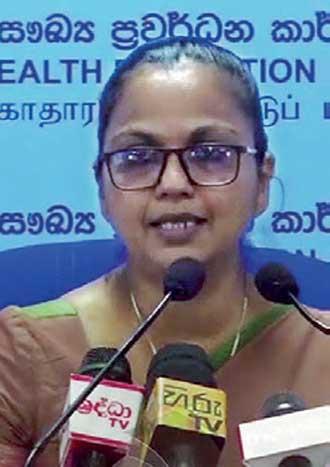
Dr. Thushani Dabarera |
|
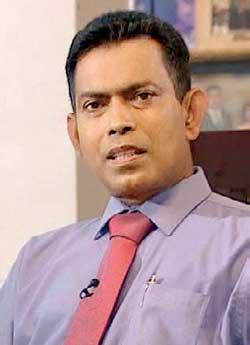
Dr. Ananda Wijewickrama |
According to Dr. Thushani Dabarera, consultant community physician at the Health Ministry’s Epidemiology Unit, meningitis is a notifiable communicable disease that is being reported in Sri Lanka every year. At a recent media briefing she said that it could be transmitted as a viral, bacterial or fungal infection among people.
“According to laboratory reports the present condition is a viral infection. Symptoms include fever, headache, vomiting and stiffness in the neck, but none of the existing patients have developed any complications. In fact they recover in about three days. So far, no deaths were reported as well. We observe that many school children have been diagnosed with meningitis. The disease is mainly transmitted through water and food or by coming into contact with surfaces. It could sometimes be spread in highly populated places with limited ventilation,” she explained.
Dr. Dabarera said that as soon as cases are reported, district level medical teams have been deployed since April. “The situation has been brought under control in Deniyaya and we are currently observing the situation in Rikillagaskada. We are conducting investigations on water sources and food and samples have been sent to laboratories. The authorities are taking steps to provide clean drinking water and hygienic food to people in these areas,” she added.
As of May 31, 59 patients are currently seeking treatment in hospitals while the rest of them have recovered and have been discharged. Since the initial outbreak was linked to a contaminated water source, the Epidemiology Unit and the Health Ministry has collaborated with the National Water Supply and Drainage Board and Department of National Community Water Supply to expedite chlorination of water sources in areas where cases have been reported.
Advise for parents
Among the 237 cases, a majority of them are school children.
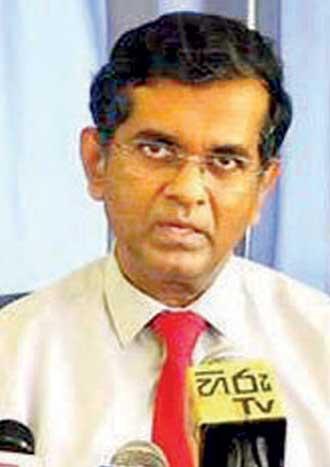
“Sri Lanka is currently experiencing an outbreak of enteroviral meningitis, and if a child is infected with this type of disease it could spread to other children,” said Dr. Deepal Perera, consultant Paediatrician at the Lady Ridgeway Hospital.
He said that it could also spread through stools or when people consume unhealthy food or drink unboiled water. “Unboiled spring water is a common source for this infection. After a rain you see more flies, and it’s important to safeguard food from flies. If a child is having respiratory symptoms it is always advisable to ask that child to wear a mask,” he added.
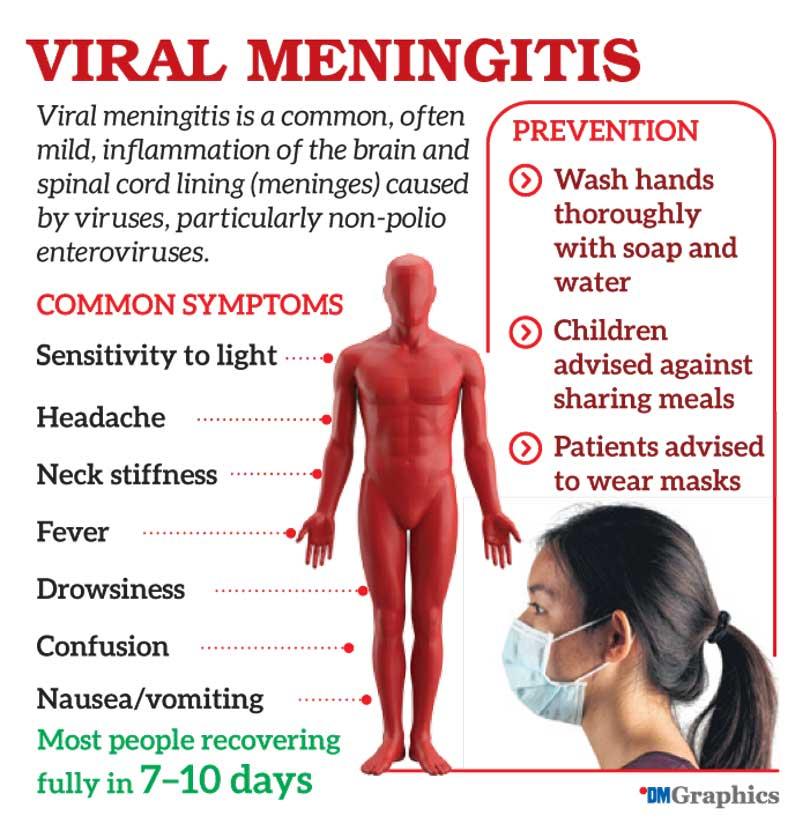
Dr. Perera further said it is always better to prevent oneself from being infected and that the complications could be severe. “It could affect hearing and speech development, and a child’s overall development would be delayed. So it’s better to prevent being infected,” he noted.
|
Dr. Deepal Perera |
He further said that if a child is having a cough, cold or fever, it’s better to keep them at home without sending to day care or Montessori to avoid spread of infection. “Parents and teachers should also advise children to avoid sharing meals and water with one another during this period,” he underscored.
Guidelines issued to schools
Clinical guidelines have been issued to hospitals and schools in all areas of the country. A national level case surveillance is also being conducted daily. Guidelines issued by the Education Ministry are as follows;
 Wash hands thoroughly using soap and water
Provide clean drinking water and ensure hygienic sanitation facilities
Clean toilets daily and conduct disinfections at least 3-5 times a day
Avoid contact with children who have developed symptoms
Encourage children with symptoms to wear masks
Ensure that classrooms have adequate ventilation
Avoid congestion when children engage in activities within classrooms
Wash hands with soap prior to cooking and serving meals
Use clean water to prepare meals
Anybody with symptoms should be discouraged from preparing meals and should be referred to a doctor
Wash kitchens and cooking spaces, utensils and food items prior to preparing meals
Use clean dishes with covers to store food
However, speculation is rife as to whether the public should be wearing masks to avoid being infected. Responding to a query by the Daily Mirror, Dr. Dabarera said that it is not necessary for people to wear masks at this point.
Speaking to the Daily Mirror, Dr. Ananda Wijewickrama, senior consultant physician and chairman of the National Medicines Regulatory Authority (NMRA) said that in the case of respiratory tract infections people are usuallyadvised to wear masks. “It hasn’t come to a critical point yet. But if the virus spreads then people will have to wear masks,” he added.
04 Jun 2026 5 hours ago
04 Jun 2026 5 hours ago
04 Jun 2026 6 hours ago
04 Jun 2026 6 hours ago
04 Jun 2026 6 hours ago