25 Sep 2025 - {{hitsCtrl.values.hits}}
 Sri Lanka has banned four predatory fish species, including piranhas and alligator gar, to protect native biodiversity. Authorities are combining strict regulations with community initiatives, encouraging responsible management and public participation to safeguard rivers, lakes, and reservoirs.
Sri Lanka is taking a bold step to protect its freshwater ecosystems by banning four species of invasive predatory fish that have started to wreak havoc in rivers, reservoirs, and lakes across the country.
The decision, announced by Minister of Fisheries, Aquatic and Ocean Resources, Ramalingam Chandrasekar, follows growing concerns that species such as piranhas and alligator gar popular in the ornamental fish trade, are now threatening native biodiversity after being released into the wild.
At a media briefing held last week, the Minister revealed that the country will ban the import, breeding, possession, and sale of four foreign fish species: piranha, knife fish, alligator gar, and redline snakehead.
“These are not ordinary fish,” Minister Chandrasekar said. “They are apex predators in freshwater systems. Once released into natural habitats, they can decimate native fish populations and severely disrupt the balance of local ecosystems. As a government, we are committed to both protecting our aquatic biodiversity and supporting the ornamental fish industry in a sustainable way.”
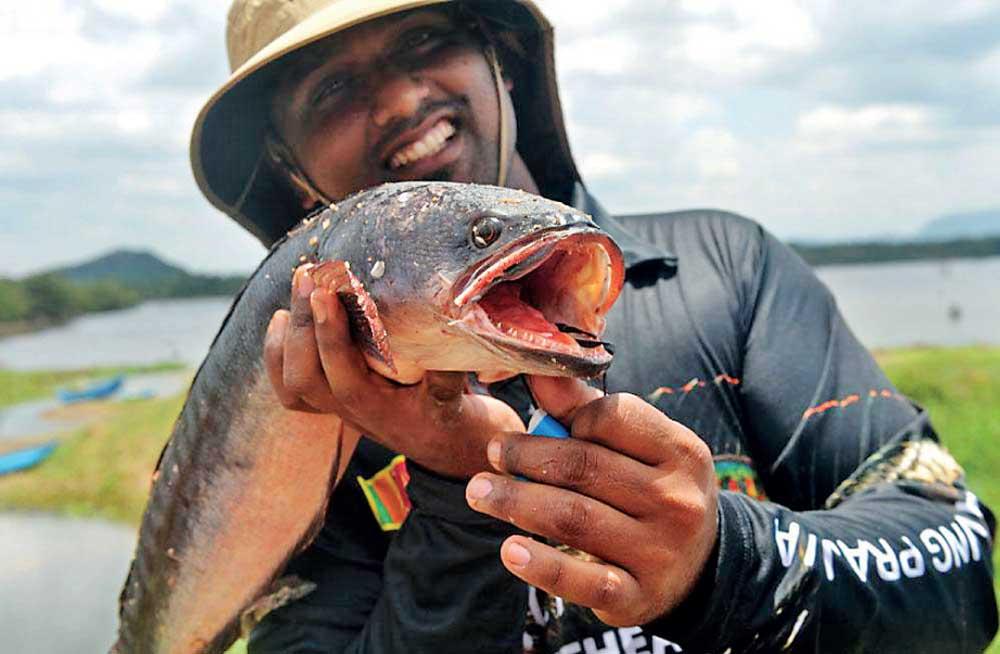
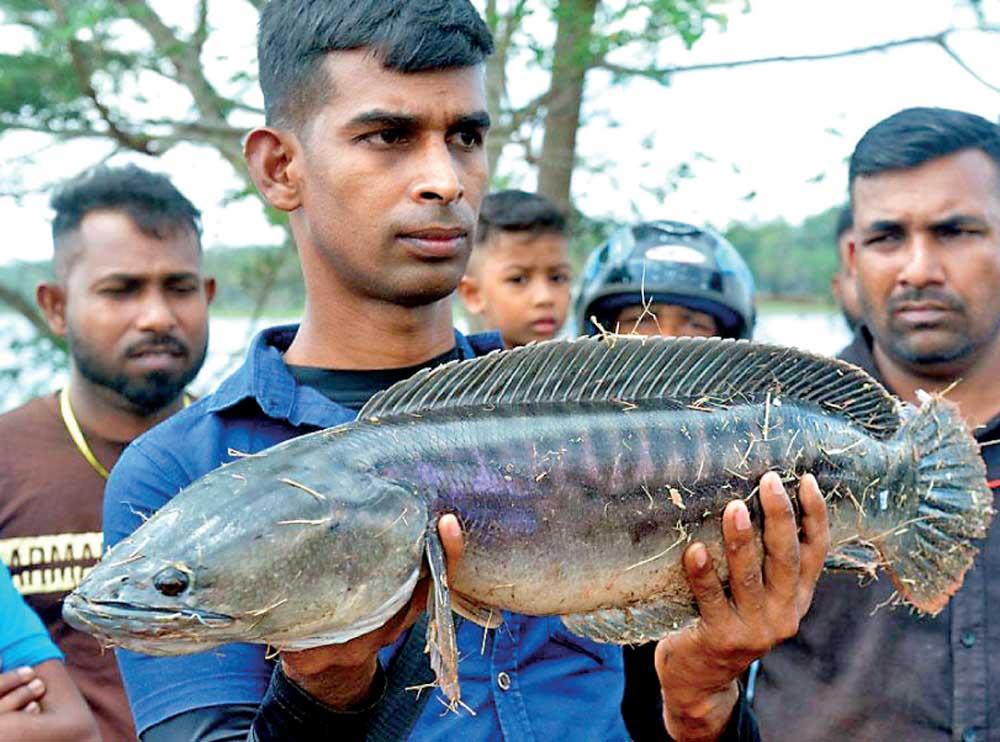
According to the Ministry, the presence of these species, either through accidental release or deliberate dumping—has already been recorded in several local waterways. Of particular concern is the rapid spread of the giant snakehead, known locally as “Deduru Naya,” in the Deduru Oya reservoir.
To tackle the issue, a large-scale community response is now underway, involving conservationists, local fishers, and ornamental fish breeders.
Secretary to the Ministry, Dr. Kolitha Kamal Jinadasa said that the decision is backed by scientific assessments of the ecological risks posed by these species. Regulations will be strictly enforced, and violators could face penalties.
But while the ban is firm, authorities are taking a measured and humane approach to its implementation.
Chairman of the National Aquaculture Development Authority (NAQDA) Kithsiri Dharmapriya said that ornamental fish owners will be supported in managing their stock responsibly. He urged the public not to panic or release the fish into natural water systems.
“There is no reason to act in haste,” Dharmapriya said. “We ask all aquarists and hobbyists to report their fish to NAQDA. We will provide assistance through several avenues.”
One option is to connect fish owners with exporters, allowing them to ship the fish abroad before the ban comes into effect. If that is not possible, NAQDA will accept the fish and care for them in licensed facilities such as showrooms, where they can live out their natural lifespan under proper supervision. In rare and strictly controlled cases, hobbyists may be granted special permits to retain their fish.
“This is not about punishment,” he added.
“We want to protect the environment without alienating responsible fish keepers. This is about working together for a better outcome.”
Meanwhile, as part of the public campaign to combat invasive species, the Ministry on Saturday hosted a large-scale community event, ‘The Deduru Oya Fishing Tournament 2025’aimed at reducing the population of giant snakeheads in one of the most affected areas.
Held on September 20, the tournament brought together nearly a thousand anglers from across the island.
Organized with the help of the Angling Community Sport Fishing Club and local fishing societies, the event encouraged fishers to catch as many invasive snakeheads as possible in a single day.
Priyakelumi Wickramaratne, Chief Patron of the Angling Community Sport Fishing Association, said the initiative was a success both in terms of conservation and community participation.
“In just one day, we were able to remove hundreds of invasive fish from the reservoir. But more than that, we raised awareness. People are beginning to understand the threat these fish pose,” she said.
To support the local fishing community, the association and its sponsors awarded valuable fishing gear to participants, including 15 fishing rods and three reels. Cash prizes were also distributed, making the event both fun and impactful.
Pix by Pradeep Pathirana
08 Jun 2026 1 minute ago
08 Jun 2026 9 minute ago
08 Jun 2026 51 minute ago
08 Jun 2026 1 hours ago
08 Jun 2026 2 hours ago