- According to statistics in 2023 alone over 9400 cases of child abuse and related complaints had been reported
- Children are vulnerable to harm and effects of abuse can have long lasting consequences on their physical, emotional and psychological development
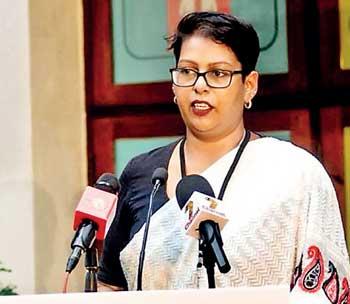 |
CPF Founder Milani Salpitikorala addressing the gathering at the launch of the Child-Friendly Space in Pelawatte, Battaramulla
(Pics courtesy - CPF and Iraj Walisinghe (Gasma) |
In a concerted effort to minimise secondary victimization of children and women subject to various forms of harassment, trauma and abuse, the Child Protection Force recently launched a Child-Friendly Space in Pelawatte, Battaramulla. The model brings together legal aid, psychological care, and protection/safe housing and coordinated referrals under one roof, reducing repeat interviews, speeding up protection and ensuring survivor dignity.
A compassionate approach
According to statistics issued by the National Child Protection Force, in 2023 alone over 9400 cases of child abuse and related complaints had been reported. These figures are more than just numbers. They are in fact the voices of children who have endured unimaginable hardships. Many of these children have been victims of sexual abuse, neglect and exploitation. Behind each statistic is a child who deserves love, safety and the opportunity to flourish. Children are vulnerable to harm and effects of abuse can have long lasting consequences on their physical, emotional and psychological development. This Centre represents more than just a physical space. It is a sanctuary where children can find solace, healing and hope. It is a testament to CPF’s collective commitment to ensure that every child grows up in an environment, free from fear and full of opportunity. This launch is a significant milestone for child protection. This initiative is a promise to put survivors at the centre to listen and respond with compassion.
When children experience trauma, their brain development is affected, the stress response system gets constantly switched on, which means that the child may always feel unsafe even in safe situations - Medhani Karunaratne, Psychologist at CPF
 A one-stop service for victims
 Since 2017, CPF has stood with child survivors in Sri Lanka. Speaking at the launch, CPF Founder Milani Salpitikorala said that legal assistance alone doesn’t help and that a lot of follow-up needs to be done when they come into the justice system. “When a child gets victimised, it affects simple things like having a shower. We refer children to hospitals and healthcare services, but do they receive trauma-informed care? A vulnerable child who walks into our space would be given individual sessions such as horse riding therapy,” she added.
CPF acknowledges the first-responder trauma borne by state officers – especially investigating officers at the Women’s and Children’s Investigation Bureau of Police (WCIB), as well as health and education frontline staff. High caseloads, limited tools and public pressure create moral distress and burnout. Speaking further, Salpitikorala said that officers are overwhelmed with the number of complaints they get. “Then the system gets delayed,” she added.
Hence, the newly launched Child-Friendly Space is designed to deliver the following services;
- Single-plan interviewing to minimize repeats and confusion
- Evidence handling support including cyber-offences to improve case quality
- On-site psychosocial care for survivors and caregiver guidance to stabilize families
- On-site psychosocial care for State and Non-State First Responders on request
- Clear referral pathways so officers spend less time coordinating and more time protecting
She further said that through this Space their main objective is to stop secondary victimization. “A child has to repeat his or her story several times and it could retraumatise the child. I remember one child who walked into CPF who said that she will not tell her story again. We didn’t want to know her story and she was here for three months. In every other country there is a solution to this in the form of a child advocacy centre which is a one-stop shop. At this new Space, we are trying to provide this one-stop service for the victim,” she said.
According to Salpitikorala, when a child tells his or her story it could be recorded and if any other statement is required it could be done in a safe environment. “This is what we are trying to introduce to Sri Lanka. It’s not new and it’s very easy and I hope that the state will work with us like we have been working with WCIB. A multidisciplinary team is needed for child protection and collaboration with state and civil society is important,” she underscored.
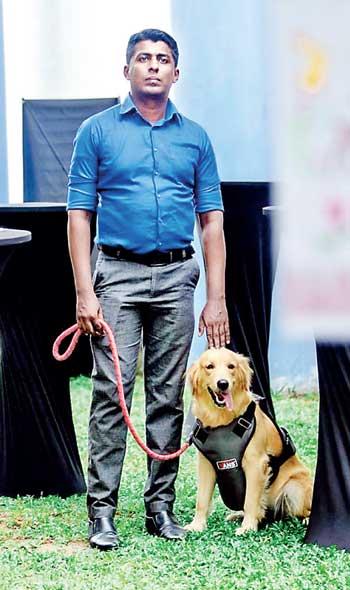 |
| Emotional support dog Zoey |
How safe and integrated care restores minds and lives
In her remarks, Medhani Karunaratne, Psychologist at CPF said that negative experiences of a child won’t just go away. They change how a child feels, thinks and even how the brain works. But the good news is that with safe and integrated care, children can heal. Even adults who go through trauma can heal. “When children experience trauma, their brain development is affected, the stress response system gets constantly switched on, which means that the child may always feel unsafe even in safe situations,” she explained. According to Karunaratne, the amygdala (the brain’s alarm system) becomes very active, the hippocampus which works with memory and the prefrontal cortex which helps in thinking and decision-making too wouldn’t develop as they should. “In practice we call this emotional disregulation and they may experience sudden fear, anger, withdrawal or shutting down. Children might be grumpy, withdrawn or become suddenly angry. Sometimes school becomes very tough in terms of focus, memory and they can’t concentrate on their studies and relationships become very difficult mainly because trust is broken. Many traumatised children become isolated, unloved and unsafe,” she added.
Karunaratne further said that recovery doesn’t happen in isolation. “The integrated care model is a coordinated system of care that multiple healthcare providers and professionals use. Together they come together and work as a team. Psychological support includes trauma-focused counseling and therapy helping children to process painful memories safely. Medical care addresses physical injuries, sleep difficulties and nutritional needs. Social support is crucial and having at least one consistent caring adult makes a huge difference - sometimes it’s family, proper foster care or a dedicated caregiver. Legal protection ensures that children are not traumatised during investigations and court processes through child friendly practices. Education and creativity such as schooling, art therapy and sports provide children with an outlet to rebuild self esteem, express themselves and ensure a hopeful future. Healing is never just one intervention, but a team effort. At CPF our goal is to bring all these supports together with the launch of the Child-Friendly Space,” she said.
The healing process is very slow. Karunaratne said that it looks like a child slowly learning to trust again. “It looks like resilience and the ability to face challenges. It looks like a person who was once broken now daring to dream again, whether it’s becoming a teacher, doctor or simply living free of fear. We cannot erase what happened, but we can ensure that trauma is not the end of their story. With safe care, children move from surviving to truly thriving. Every child needs at least one adult who never gives up on them. Truth is, trauma may shape part of their story but with safe integrated care it doesn’t have to define their whole life,” she underscored.
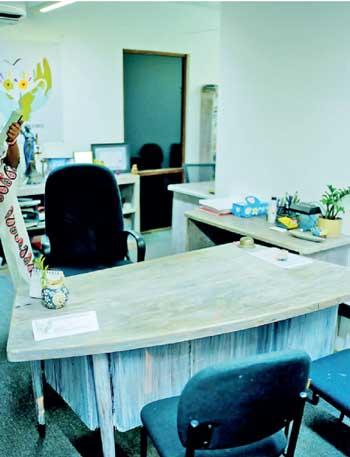 |
| Cozy interiors at the Child Friendly Space |
A safe space for victims
Many victims that walk into the CPF’s Child-Friendly Space are already traumatized with their experiences. But the lawyers and psychologists would explain what had happened to victims, be it trafficking, high-conflict parenting etc., ask them clear questions and basically allow victims to ‘breathe again and sleep without panic.’ Oftentimes, victims return to the same environment where the perpetrators live in and they undergo and endless cycle of violence and harassment. But at CPF, victims are provided with safe shelters to ensure that they don’t return to where perpetrators are. In addition, Zoey, the emotional support dog at the Child-Friendly Space has been trained to work with victims, providing them the much-needed emotional support.
Psychosocial support, the need of the hour
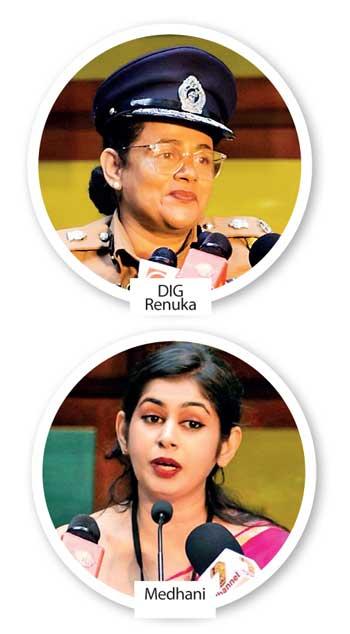
According to statistics issued by Sri Lanka Police, over 3500 serious crimes against children are reported every year. In addition, over 2500 cases are minor crimes against children. Speaking at the launch, Deputy Inspector General Renuka Jayasundara in charge of the Children and Women Bureau said that the police has a good mechanism to take those cases and do our investigations. “But I believe that providing psychological support for victim children is a difficult task for the police. We can investigate, send them to hospitals, to homes or some other guardianship through the courts. But we are not able to give them a proper support like what other countries do at the moment. In other countries these initiatives are being taken as public-private partnerships. The state provides some support to NGOs to setup these kinds of support services since they provide necessary support to these vulnerable children. I believe that these initiatives should expand in all areas of Colombo and suburbs,” she said while congratulating Child Protection Force for their efforts to provide a safe space for victim children.
- This Centre represents more than just a physical space. It is a sanctuary where children can find solace, healing and hope
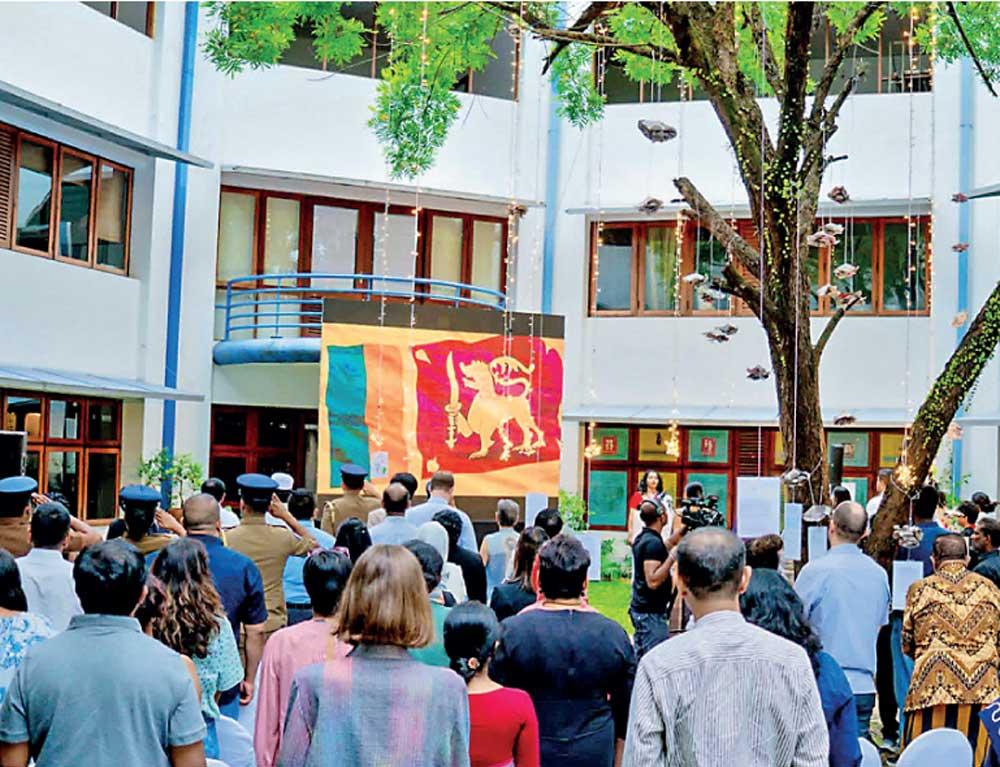 The picture shows the attendees at the launch of the Child-Friendly Space