09 Jan 2026 - {{hitsCtrl.values.hits}}
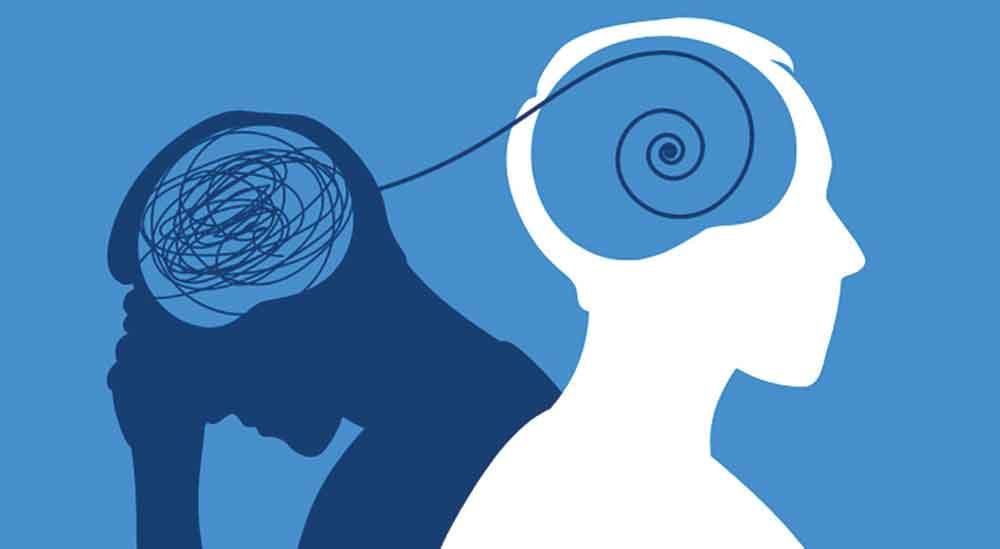
 In the hyper-accelerated corridors of modern power, a quiet, corrosive fatigue has replaced genuine ambition. We have entered an era where “Success” is no longer measured by output, but by the performative display of availability. Beneath the glossy exterior of corporate recognition, professionals are being reduced to mere functions—absorbing the urgencies of others while their own identities drift into a digital quicksand. Reclaiming the self now requires more than efficiency; it demands a radical, intentional architecture of boundaries.
In today’s world of work, it often feels as though life is unfolding at a pace faster than we can process. Deadlines, targets, promotions, recognition and constant expectations of work and society seem to shape not only what we do, but also the social image we are compelled to uphold. Success is measured not only by what is accomplished, but by how it looks to others and by the titles and accolades accumulated along the way. Most of the time, even if we don’t admit it, or pretend not to notice how the simple moments of personal time are quietly squeezed out, as if they were a luxury we cannot afford. It is a tireless rat race that never seems to end.
Over the years, I’ve noticed a quiet fatigue settling beneath the surface of our institutions. It’s not always spoken aloud, but it shows up in small ways.
The tired eyes, the stretched schedules, the way people keep functioning even when they are running on empty. Many are stretched thin, pushed beyond capacity, simply because expectations have replaced choices. In such an environment, even taking a quiet moment for oneself is too often brushed off as irresponsibility. Following my previous article, ‘Beyond Green- Tapping the Human Soul to Heal Exhausted Minds’, colleagues spoke openly about the strain of working in a system that constantly demands more than one could handle. These reflections weren’t complaints in the usual sense, they were honest, heartfelt accounts of the emotional toll of navigating expectations, performative leadership and relentless pressure.
At the heart of this fatigue is a subtle but relentless pressure to always agree, take on more and keep pushing, even at the expense of personal time and emotional steadiness. Preserving one’s mental energy is not indulgent; it is essential for staying contained. Yet in many workplaces, saying no or setting boundaries is often misunderstood as reluctance or lack of commitment. Adding to this strain is a widespread “If I can do it, why can’t you?” mindset that has quietly taken root, shaping the way many interpret effort, capability and worth.
I often see this mindset, especially among senior colleagues, highly knowledgeable individuals who know the theory of human dynamics inside out and regularly teach about behaviour and individual differences. Yet, watching how they respond in real situations often makes me wonder whether we truly understand these ideas or simply know how to explain them. Expecting others to perform exactly as they once did ignores the simple truth that people carry different responsibilities, pressures and emotional limits. When individual contribution is judged against a single benchmark, the gap between what we preach and what we practise widens. And this gap quietly fuels fatigue by promoting sameness and leaving little room for boundaries.
Unfortunately, in such environments, professionals are compelled to always agree and saying yes becomes less a choice and more a survival strategy. I’ve seen this firsthand. Some colleagues who take on enormous workloads and maintain a high level of professional output tell a very different story in their
WhatsApp statuses.
They express exhaustion, a yearning for change and a deep need for a fresh start. On the surface, they appear endlessly productive, but beneath it lies a clear mismatch between achievement and well-being.
Part of this mismatch stems from the relational dynamics we often overlook. As Robert Greene has very clearly stated in his seminal book ‘The Law of Human Nature’, in many workplaces, individuals often unintentionally project their needs outward, expecting those around them to adjust, absorb and accommodate.
Thus, when boundaries are absent, we quietly become the place where other people’s urgencies take root. Their pace becomes our pace; their priorities overshadow our own, and ultimately, it pulls us into an emotional quicksand. Hence, what is required is not to withdraw or harden ourselves, but to remain empathetic while recognising the necessity of limits. Understanding that others may act from self-interest often helps us to acknowledge others’ pressures without sacrificing our own energy.
In today’s fast-paced, high-pressure workplaces where roles are blurred and expectations expand almost unnoticed, guarding our identity has become essential. Unless we consciously define who we are, including our values, limits and non-negotiables, others will define them for us. Without noticing, we may begin to be treated less as individuals and more as functions. In such contexts, holding on to a clear sense of identity becomes a boundary itself. It is a quiet but firm way of saying, “This is who I am, this is what I can offer, and this is where I draw the line.”
Without that clarity, we risk being shaped by external pressures and slowly drifting away from our own sense of purpose.
Not everyone manages their pressures well, and when boundaries are unclear, we become increasingly susceptible to being pulled into other people’s chaos. Hence, saying no early, or stepping back when patterns become apparent and unhealthy, is not a lack of compassion but an art of self-preservation.
As Stephen R. Covey reminds us, “The key is not to prioritise what’s on your schedule, but to schedule your priorities.” Protecting ourselves from disorder, whether emotional, relational or organisational, allows us to stay grounded, focus on what truly matters and prevents long-term damage to our well-being and professional effectiveness.
But it also comes with opportunity costs. Setting boundaries may mean letting go of certain advantages or recognition and accepting that life rarely offers perfect outcomes. Yet sustainability often lies in that acceptance. If, at the end of the day, we can look back without regret about the boundaries we upheld, then we have gained something far greater than momentary approval. After all, there is no “Shift Delete” button in life; we cannot erase our choices, but we can make them with intention.
04 Jun 2026 5 minute ago
04 Jun 2026 8 minute ago
04 Jun 2026 34 minute ago
04 Jun 2026 37 minute ago
04 Jun 2026 42 minute ago