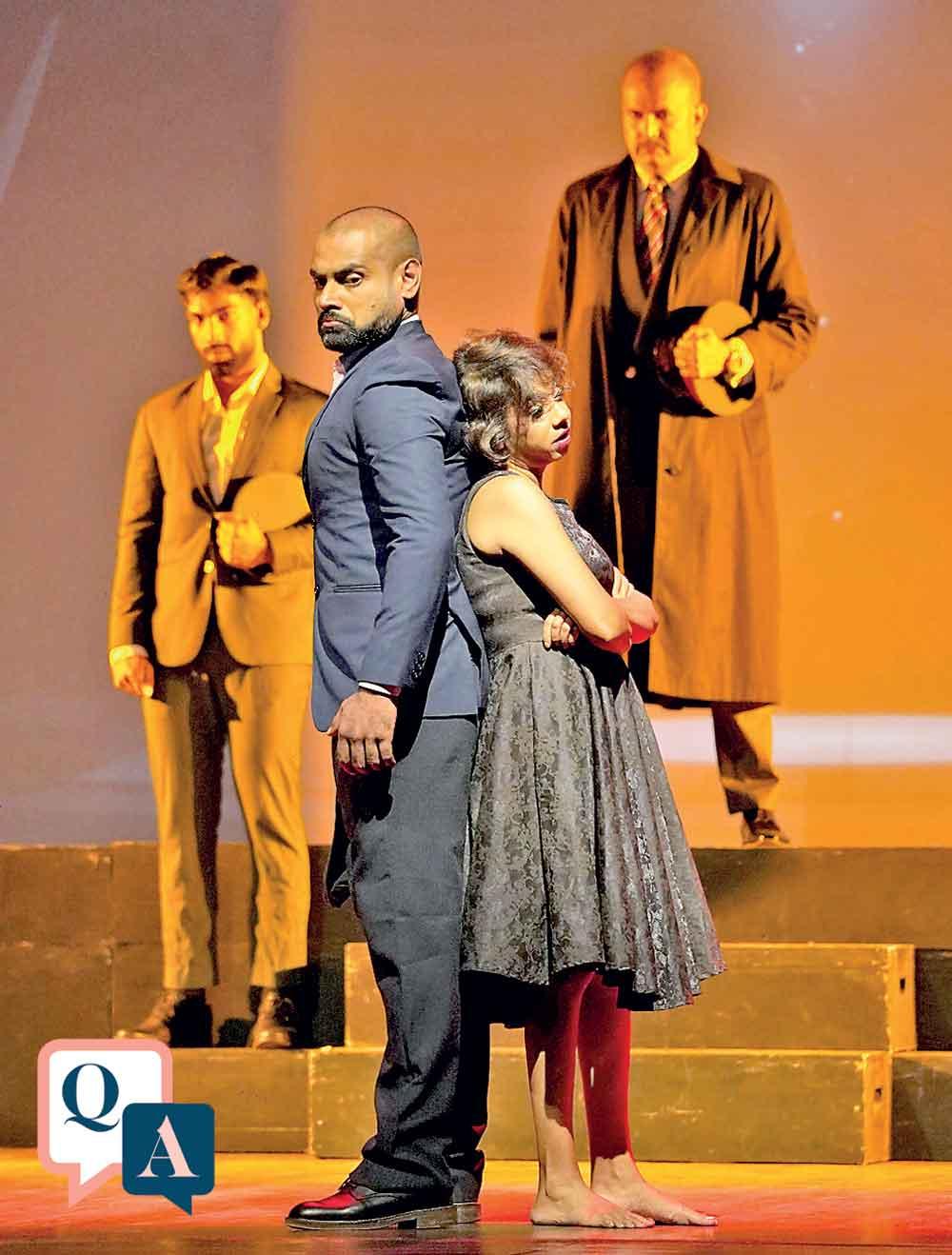
A Hilarious, Eye-Opening Take on the Stories We Grew Up With
An Interview with Angelo Pereira, Writer & Director
Q Fairytales Suck!—bold title! What’s the play all about?
Well, let’s be honest—fairytales have been lying to us for centuries. Glass slippers? Magic kisses? Women waiting around for a prince to show up? We took a closer look at these childhood classics and realized they’ve been selling some pretty outdated ideas—especially about women. So we decided to flip the script, poke some fun, and expose the not-so-happily-ever-afters hidden beneath the glitter and ballgowns.
Q Everyone’s talking about this play and its impact. Did you expect this outcome and how do you feel about it?
Honestly, I didn’t expect this. I have people telling me how insightful it is and praising the script. I thought it would have a very mild reception, but we have audiences saying it's one of the best original plays they’ve seen. I’m overwhelmed by the outcome and I am struggling to contain my excitement.
Q You say “we” a lot—who else was involved in creating this play?
Oh, this wasn’t a solo mission! While I wrote most of the play, the brilliant Sajini Shabbir wrote Mata Hari’s pieces, and Thushara Hettihamu and Marissa Janzs rewrote a few sections. When it came to directing, I handled most of the scenes, but again, Sajini, Thushara, Marissa, along with Achala Abayaratne and Stefan Shabbir took on key segments. It was very much a shared effort, and I’m lucky to have worked with such a talented team.
Q Why Mata Hari? What makes her the right character to lead the story?
Ah, Mata Hari—the woman, the myth, the misunderstood. She was an icon, a seductress, and ultimately, a scapegoat. Her life looked like a fairytale—glamour, fame, admirers—but in reality, she was a woman trapped by the world’s expectations. And when they didn’t know what to do with her, they called her a spy and had her executed. Sounds familiar? History is full of strong, brilliant women who were erased, vilified, or simply ignored. Mata Hari is our way of reminding audiences of that—and she’s got the best one-liners.
Q This play is part of the Embrace Equity initiative. How do the two connect?
Fairytales Suck! and Embrace Equity share the same heartbeat—challenging outdated gender norms. While the play entertains and sparks conversations, Embrace Equity takes action. It pairs successful female entrepreneurs with up-and-coming women in business, giving them real mentorship and opportunities. We’re basically saying, “Forget waiting for a prince to save you. Let’s get you the tools to build your own damn castle.”
Q Gender equality is a big theme in this play. What message are you trying to send?
Look, I’m not here to start a battle of the sexes. The truth is, gender bias isn’t just about women being held back—it’s about how both men and women get boxed into expectations they never signed up for. The play tackles stereotypes, shows how bias creeps in unnoticed, and challenges the idea that men have to be the heroes of every story and a woman is always waiting to be saved, when in actual fact, they were just taking a breather.
Q Your approach is pretty unique—mixing fairytales with serious topics. How did you make it work?
Simple—I tricked people into learning! Fairytales are familiar, universal, and just ridiculous enough to let us get away with deeper discussions. Using skits as “episodes” within the story also helps keep modern audiences engaged. Attention spans are shrinking, and if I have to fight TikTok for their focus, I’d better be quick, sharp, and entertaining.
Q What kind of reaction were you hoping for?
Ideally? Laughter, reflection, and a few lightbulb moments. We had audiences walking out saying, “That was hilarious, but also… wow, I never thought of it that way,” so I’m happy with the outcome. And if we can also get people talking about Embrace Equity and how to support women beyond the stage, even better.
Q Final question—why should Fairytales Suck! be remembered?
Because it’s funny. Because it’s clever. Because it’s the most entertaining way to have a serious conversation about gender norms. And because, deep down, we all know… fairytales suck!