22 Dec 2025 - {{hitsCtrl.values.hits}}
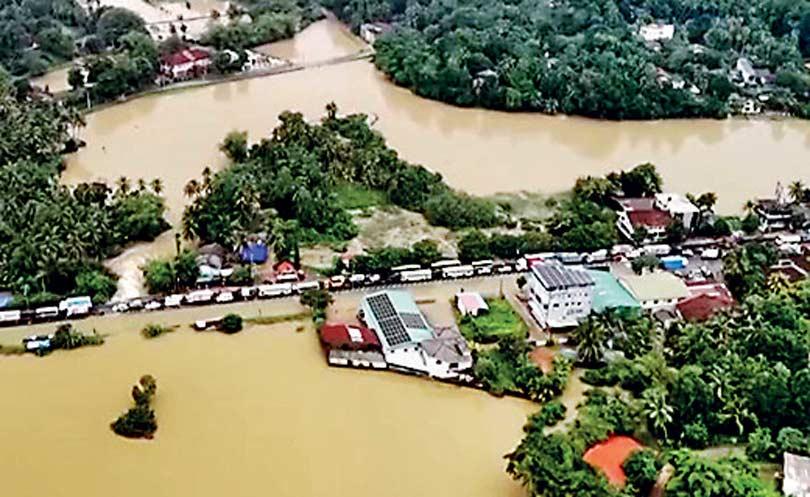 The storm caused heavy flooding and landslides killing over 600 people, and is considered the deadliest natural disaster in the country since the 2004 Indian Ocean earthquake and tsunami
The International Monetary Fund (IMF) Executive Board has approved an immediate disbursement of SDR 150.5 million, approximately US$ 206 million to Sri Lanka under the Rapid Financing Instrument (RFI).
This emergency funding is designed to address the urgent balance-of-payments and fiscal pressures triggered by the catastrophic Cyclone Ditwah, which struck the island on November 28. Unlike the ongoing Extended Fund Facility (EFF), the RFI is a single, one-time disbursement aimed at providing rapid budget support to prevent severe economic disruption and restore essential services following the natural disaster.
The emergency package carries a current interest rate of approximately 3.27 percent, which is tied to the SDR interest rate plus a standard fixed margin. The repayment schedule for this facility includes a grace period of three and a quarter years, with the total amount repayable over a maximum of five years.
IMF officials confirmed that because of the existing close engagement with Sri Lanka through the regular programme, no “prior actions” were required for this disbursement, allowing the funds to be available immediately for budget support and infrastructure repair.
Speaking at a virtual press briefing, IMF Mission Chief Evan Papageorgiou confirmed that the Fifth Review of the regular EFF programme has been deferred to early 2026. This pause allows for a comprehensive assessment of the cyclone’s impact on economic parameters and the nation’s reconstruction needs.
Papageorgiou stated that the RFI provides critical support for restoring macro-critical infrastructure, such as roads, bridges, and rail lines, which suffered extensive damage.
The IMF expects to return to Sri Lanka in early 2026 to resume discussions on how planned reforms and program parameters should be adjusted to fit the recovery phase.
The economic fallout from the cyclone has significantly altered the short-term outlook, with real GDP growth for 2026 now projected to slow to 2.9 percent from an earlier robust forecast of 4.2 percent. Tourism receipts, a vital source of foreign exchange, are expected to decline as the disaster hit during the peak season.
Furthermore, the IMF estimates that the current account deficit could widen by about US$ 700 million over the next year due to increased demand for food, medicines, and construction materials. Inflation is also expected to see a transitory uptick, potentially reaching 4.0 percent by the end of December 2025 due to supply chain disruptions.
The IMF noted that Sri Lanka’s strong fiscal overperformance earlier this year, with a projected primary balance of 3.4 percent of GDP, has provided a necessary foundation for this rapid response.
06 Jul 2026 8 hours ago
06 Jul 2026 8 hours ago
06 Jul 2026 8 hours ago
06 Jul 2026 9 hours ago
06 Jul 2026 9 hours ago