28 Apr 2026 - {{hitsCtrl.values.hits}}
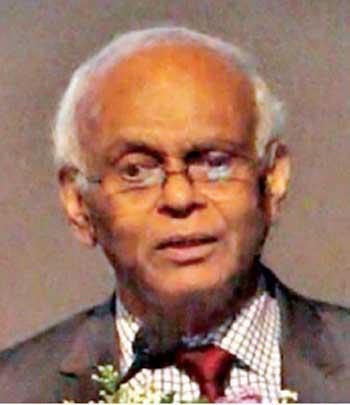 |
| Dr. W.A. Wijewardena |
By Shannine Daniel
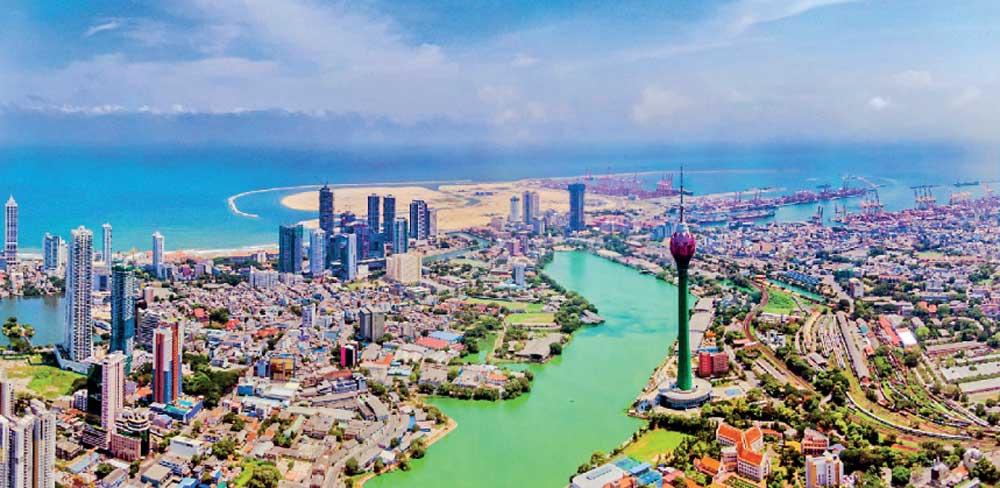
Sri Lanka’s economy, which has been very badly hit by the Middle East crisis as well other external shocks such as climate change, is not expected to have a very promising future, noted former Central Bank Deputy Governor Dr. W.A. Wijewardena.
He cautioned against viewing the crisis as an opportunity for Sri Lanka to transform itself into a regional naval or aviation hub that could replace Dubai or other locations, adding that not all crises create pathways for growth.
Dr. Wijewardena also noted that only predictable, one-time crises such as Cyclone Ditwah can be effectively leveraged for economic gain, whereas the ongoing geopolitical situation in the Middle East is unpredictable and poses great uncertainty.
He urged the policymakers to focus on adjusting internal economic policies to better navigate the uncertainties and shocks.
“We had 5 percent economic growth in 2025 but the Central Bank has warned us that this will not be repeated in 2026 and beyond,” Dr. Wijewardena asserted, while delivering the keynote speech at a recent webinar organised by the International Chamber of Commerce Sri Lanka and Association of Chartered Certified Accountants.
Dr. Wijewardena also raised concerns about the composition and usability of Sri Lanka’s foreign reserves.“Even though the Central Bank said that Sri Lanka has high foreign reserves, this includes US $ 1.4 billion of proceeds received under the swap arrangement with the People’s Bank of China, which cannot be used by Sri Lanka right now,” Dr. Wijewardena stated. He added that these proceeds were also received in yuan, while most of Sri Lanka’s imports must be paid for in US dollars.
“The remaining US $ 5.6 billion is not sufficient for Sri Lanka to meet the future risks. The crude oil prices will continue to increase and this means the government cannot continue to subsidise the fuel supply,” he asserted. Dr. Wijewardena called on the government to transfer part of the revenue it received last year as part of these adjusted internal economic policies, so that the public can cope with the fuel crisis situation in the country. Last year, Sri Lanka exceeded the International Monetary Fund’s expectations of 15 percent of GDP as government revenue, at over 16 percent. As of April 27, 2026, Brent, the global benchmark for global oil prices, had arisen to US $ 107.
27 Jun 2026 1 hours ago
27 Jun 2026 4 hours ago
26 Jun 2026 6 hours ago
26 Jun 2026 6 hours ago
26 Jun 2026 6 hours ago