22 Apr 2026 - {{hitsCtrl.values.hits}}
By Shabiya Ali Ahlam
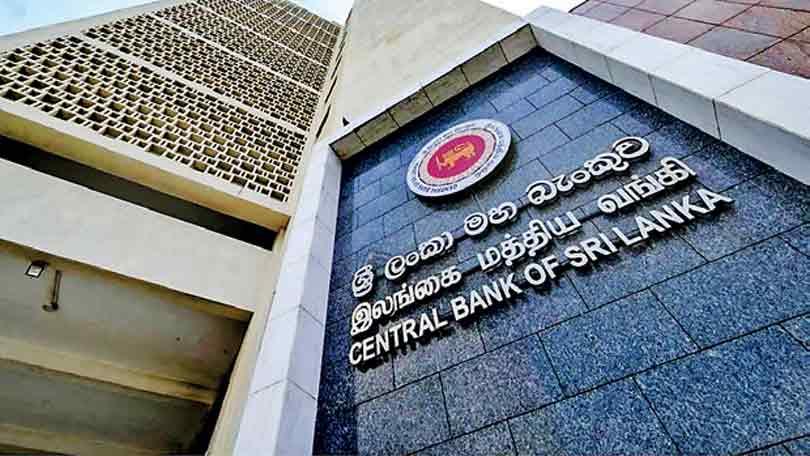
Sri Lanka’s economic recovery is entering a more fragile phase, with the Central Bank warning that rising geopolitical tensions in the Middle East are beginning to test the resilience built through recent stabilisation efforts, even as domestic conditions remain broadly supportive of growth.
The Central Bank, in its latest macroeconomic outlook released Monday, noted that while the economy has regained a degree of stability following the crisis, the external environment has shifted sharply, injecting fresh uncertainty into the recovery path.
“Sri Lanka’s macroeconomic outlook is shaped by improved domestic economic resilience amid an increasingly uncertain global environment,” the Central Bank said.
It highlighted escalating geopolitical tensions, higher energy costs and supply chain disruptions as key risks weighing on the outlook.
The assessment reflects a growing divergence between domestic gains and external vulnerabilities. Inflation remains low for now and financial conditions have eased, supporting credit growth and consumption, while fiscal consolidation and ongoing reforms under the IMF programme continue to anchor policy credibility.
However, the Central Bank cautioned that the global backdrop has deteriorated faster than anticipated, with the Middle East conflict emerging as a critical swing factor.
“These developments are expected to weigh on growth and exert upward pressure on inflation across countries around the world, driven by higher energy and shipping costs, supply chain disruptions, and increased volatility in financial markets,” the Central Bank stressed.
Sri Lanka’s recovery has been underpinned by a steady rebuilding of buffers across the external, fiscal and financial sectors. The accumulation of foreign exchange reserves, sustained current account surpluses and the completion of debt restructuring have strengthened the country’s ability to absorb shocks. At the same time, the flexible exchange rate regime is expected to act as a first line of defence against external pressures.
However, the Central Bank asserted that these buffers does not essentially offer immunity. The external sector, in particular, is increasingly exposed to downside risks, with tourism, trade and remittances all vulnerable to disruptions stemming from the conflict. Higher global energy prices are expected to push up import costs, while aviation and shipping disruptions could weigh on tourist flows and export competitiveness.
On the domestic front, inflation is projected to return to the 5 percent target faster than previously expected, largely driven by energy and transport cost adjustments linked to global developments. While inflation is expected to stabilise thereafter, the near-term trajectory is now more uncertain, complicating the policy outlook.
Credit growth to the private sector is expected to continue in 2026, supported by accommodative monetary conditions and reconstruction activity following Cyclone Ditwah. However, the Central Bank pointed out that rising costs and heightened uncertainty could dampen investment appetite, slowing the momentum seen in recent months.
Fiscal policy remains anchored in revenue-based consolidation under the IMF-supported programme, although additional spending pressures, including post-disaster reconstruction and potential external shocks, could test fiscal discipline in the near term.
Despite these emerging risks, the Central Bank maintained that the broader recovery trajectory remains intact, supported by structural reforms and improved macroeconomic management. It went on to emphasise that sustaining this momentum will depend heavily on policy discipline and the ability to navigate an increasingly volatile global environment.
“Overall, the restoration of macroeconomic stability, the continued buildup of buffers, and ongoing structural reforms have created conditions conducive to sustained growth. However, external shocks, geopolitical tensions, and climate-related risks pose downside risks,” the Central Bank said.
14 Jun 2026 1 hours ago
14 Jun 2026 3 hours ago
14 Jun 2026 5 hours ago
14 Jun 2026 6 hours ago