28 Jun 2024 - {{hitsCtrl.values.hits}}
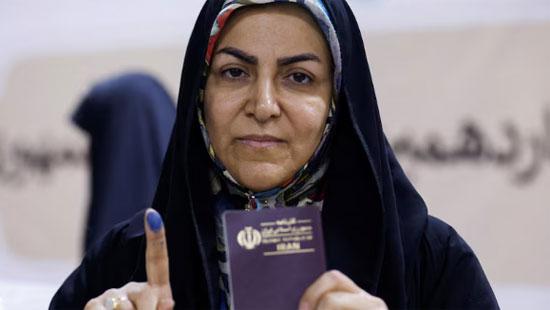 DUBAI, June 28 (Reuters) - Iranians voted on Friday for a new president following the death of Ebrahim Raisi in a helicopter crash, choosing from a tightly controlled group of four candidates loyal to the supreme leader at a time of growing public frustration and Western pressure.
The election coincides with escalating regional tension due to war between Israel and Iran's allies Hamas in Gaza and Hezbollah in Lebanon, as well as increased Western pressure on Iran over its fast-advancing nuclear programme.
While the election is unlikely to bring a major shift in the Islamic Republic's policies, its outcome could influence the succession to Ayatollah Ali Khamenei, Iran's 85-year-old supreme leader, in power since 1989.
Khamenei called for a high turnout to offset a legitimacy crisis fuelled by public discontent over economic hardship and curbs on political and social freedom.
"The durability, strength, dignity and reputation of the Islamic Republic depend on people's presence," Khamenei told state television after casting his vote. "High turnout is a definite necessity."
08 Jun 2026 24 minute ago
08 Jun 2026 28 minute ago
08 Jun 2026 37 minute ago
08 Jun 2026 39 minute ago
08 Jun 2026 42 minute ago