Editorial
SaaS investment space is a lead indicator of next wave technologies
07 Jul 2021
 0
0
863
The Software as a Service (SaaS) space appears to be heating up further, as investors continue to funnel substantial amounts of investments into the rapidly growing industry. Even amidst the COVID-19 pandemic, investors continue to be bullish on the industry’s prospects.

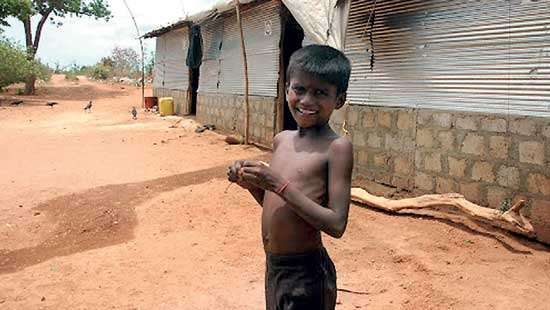
COVID-19 and burden of child undernutrition in Sri Lanka
02 Jul 2021
0
1370
The nutritional status of children under five in Sri Lanka has not shown a significant improvement for the last 20 years, according to the Demographic and Health Surveys (DHSs) of the Census and Statistics Department.
SL’s labour market amidst COVID-19: Need for targeted interventions
29 Jun 2021
0
724
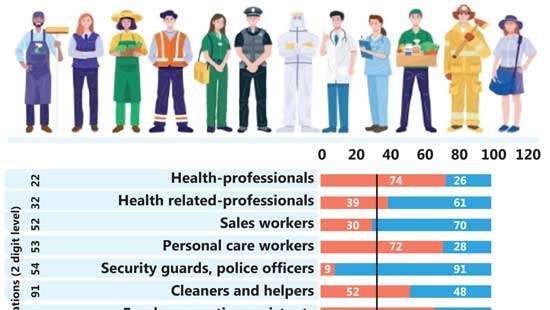
Lockdowns and restricted mobility have devastated labour markets across the world. According to the International Labour Organization (ILO), the equivalent of 225 million jobs was wiped away globally due to employment and working hour losses in 2020 (Q4) compared to 2019 (Q4).
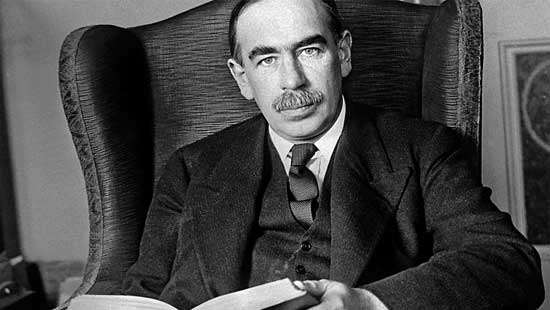
Significance of Keynesian Economics for results-driven economy during pandemic in SL
29 Jun 2021
0
537
The impact of COVID 19 virus not only infected lungs of humans but also the heart of Sri Lankan economy at large in terms of employment, gross domestic product, worker remittance, foreign reserves, income distribution and many other economic and social variables.
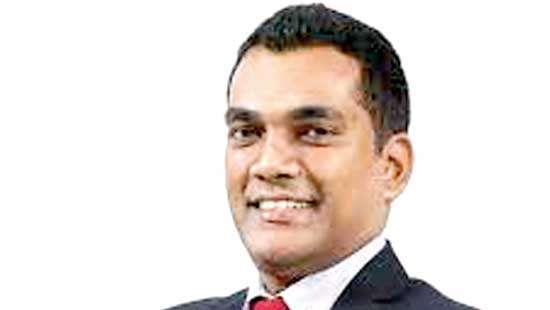
CPSTL profitability improved despite pandemic: Chairman
29 Jun 2021
0
701
Chairman of Ceylon Petroleum Storage Terminal Ltd (CPSTL) M. Uvais Mohamed, in an interview with Daily Mirror explains how the financial situation of his organization improved in the recent past. Excerpts of the interview:
Tackling local apparel sector’s newest variant: Loss of EU’s GSP Plus
25 Jun 2021
0
1105
Sri Lanka’s apparel sector continues to beat the odds to remain competitive in the global space but just as it tackles one hurdle, crops up another.
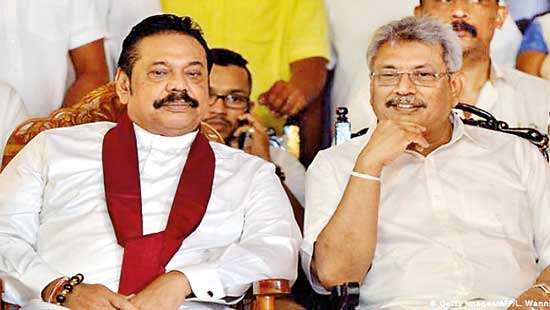
Sri Lanka’s economic crisis and policy uncertainties may hinder foreign investment
21 Jun 2021
0
763
A recent resolution by the European Parliament to consider a temporary withdrawal of the Generalised Scheme of Preferences (GSP+) is the latest blow to the less than two-year-old Gotabaya Rajapaksa government. The European Parliament resolution, adopted with an overwhelming majority, is a clear indication of the European Union’s unhappiness at the developments on the Sri Lankan political stage.
Yesterday’s luxuries, today’s essentials in Covid-19 era
19 Jun 2021
0
444
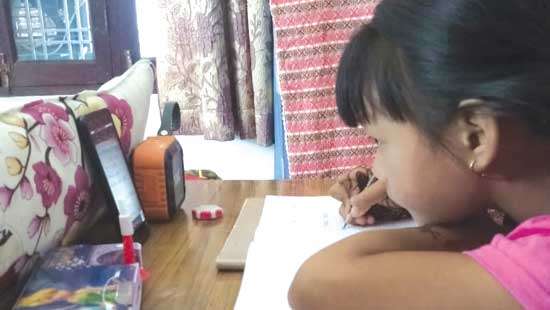
A decade and half ago we would not have expected a tuk tuk driver, a fishmonger or a farmer to carry a smartphone.
COVID-19 and Sri Lanka’s external sector: Challenges and policy choices
18 Jun 2021
0
793
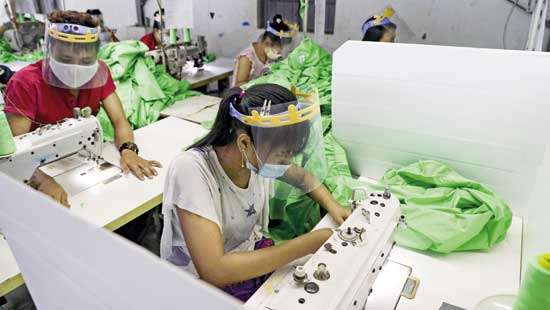
The COVID-19 pandemic exerted significant downward pressure on global trade as well as the global economy at large.
COVID-19, fiscal policy and public debt in emerging economies
16 Jun 2021
0
510
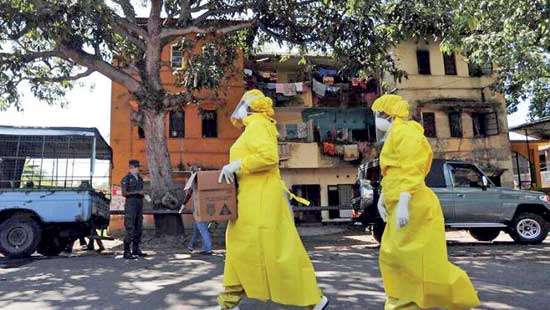
Sri Lanka’s fiscal landscape left much to be desired even before the repercussions of the COVID-19 pandemic were felt. One year into the pandemic, the country’s already tight fiscal space has become further constricted, leaving some tough decisions to be made in the pandemic recovery period. A third wave of COVID-19 that the country is currently experiencing will further delay such recovery efforts.
Mitigating Sri Lanka’s COVID-19 education crisis: Priority areas for action
14 Jun 2021
0
1660
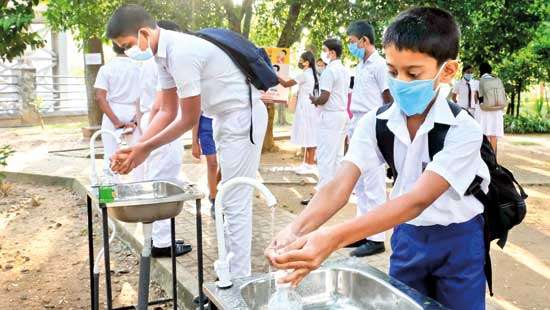
The year 2020 saw close to 1.6 billion students from over 180 countries being kept out of schools for extended periods of time, in response to the COVID-19 pandemic. Despite the commendable efforts by many countries to put in place alternative remote learning strategies and corrective measures, learning losses have been unavoidable and substantial.
Trade in the pandemic era: A one-year assessment
03 Jun 2021
0
714
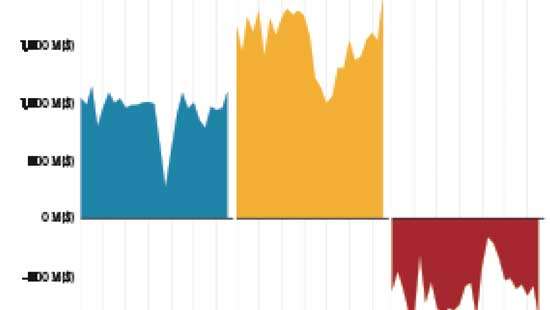
On the front page of The New York Times’ March 27 edition, a staggering chart illustrated the COVID-19-induced unemployment level in the US.
Can Colombo Port City become South Asia’s new offshore financial center?
01 Jun 2021
0
975
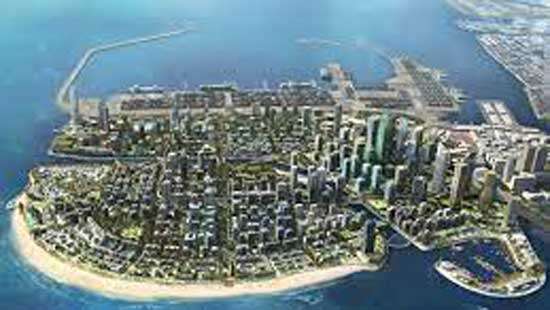
Recently the Sri Lankan parliament passed the Colombo Port City Economic Commission Bill, creating a city-based special economic zone.
Asia needs to push back against the lurch to self-reliance
01 Jun 2021
0
345
In a world where confrontational geopolitics and the concentration of production of crucial industrial components like semiconductors and medical supplies in particular locations are high, the call for self-reliance has become a political stampede.
Quitters as Winners: Role of tobacco free zones in smoking cessation
01 Jun 2021
0
599
Tobacco use is a major global healthconcern claiming eight million lives annually. Sri Lanka has made major strides in reducing the overall smoking prevalence rate in recent years, but tobacco still claims more than 20,000 lives each year.

Digital transformation for retail businesses: Now a necessity than an option, says Ernst & Young
28 May 2021
0
569
Traditionally, retailers always had a strong hold in people’s hearts as the go-to destination to grab essentials, pick up a treat, get advice and spend time with friends. But, over time, those levels of familiarity and trust have weakened, as the scope, scale and variety of the sector have grown alongside the shifting volume of visiting customers.

Local family businesses remain resilient during pandemic: KPMG survey
28 May 2021
0
941
The Transgenerational Entrepreneurship Practices (STEP) Project, Global Consortium and KPMG Private Enterprise came together in June of 2020 to find out what family business leaders around the world were doing to respond to the impact of COVID-19. Data was collected in the global family business survey: COVID-19 edition between June and October 2020. A total of 2,493 family business leaders in Europe, the Americas, Asia and the Middle East and Af

Crypto explained: What I think I know about cryptocurrency
26 May 2021
0
1222
It’s as good a time as any to discuss cryptocurrencies and blockchain technology. The reason being that we seem to be in a truly transitional period of time. To anyone paying attention, it might appear evident that the traditional economic structures we’ve grown to place unrelenting faith in are beginning to shake at foundational levels.
Need for removal of roadblocks for innovation to reduce tobacco-related harm
26 May 2021
0
427
Asian consumer groups engaged with reducing smoking and tobacco-related harm charged that health authorities and western anti-tobacco lobby groups often got in the way of shifting consumers towards less harmful products.
Emerging Asia Pacific capital markets: Challenges and opportunities
26 May 2021
0
478
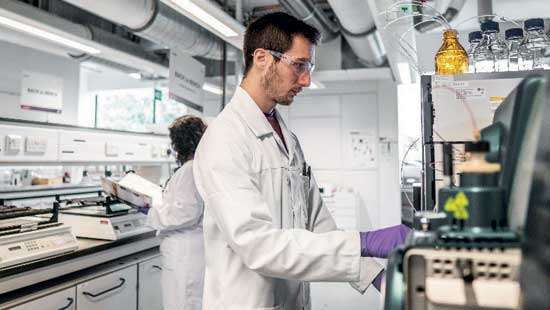
Asia-Pacific emerging and frontier markets continue to evolve rapidly. With insights from authors based in 11 local markets, this publication offers insights about regulatory developments, market structure and financial history in the region.

Prevent tourism industry collapse, pleads THASL
25 May 2021
0
617
The Hotels Association of Sri Lanka (THASL) is deeply concerned by the exponential increase in COVID-19 cases and deaths across the island. We wish to express our fullest support to the government, medical professionals, tri-forces and civil servants that are at the frontline of this crisis. We are grateful for all their efforts to help save the lives of others while risking their own.

Divide us not, unite us, says SLAITO
25 May 2021
0
1113
Sri Lanka’s tourism sector had to grapple with a series of challenges in the past. Despite the difficulties, the industry has been successful in coming out stronger with every impact.
Reply to Maliyadde on ‘Interest rate policy: Is it a punitive measure?’
20 May 2021
0
549
It was with some amusement that I read the article titled ‘Interest rate policy: Is it a punitive measure?’ written by Chandrasena Maliyadde, which appeared in the Daily Mirror on May 17, last Monday. It is a critique of my article, ‘Low interest rate policy punishes savers’, published in ‘My View – Money and Banking’ column in Daily FT of 25 March 2021 (http://www.ft.lk/columns/Low-interest-rate-policy-punishes-savers/4-715286).

Digitalisation the way forward for Sri Lanka
20 May 2021
0
413
In early 2020, when the COVID-19 lockdown began, Sri Lanka’s food supply chain was significantly disrupted, leaving farmers and consumers to face the adverse effects of the pandemic. Wholesale and retail markets were closed and traders were encouraged to deliver food items directly to doorsteps following strict health guidelines.

Sustainable solution to declining tea production, export revenue and livelihood issues
18 May 2021
0
755
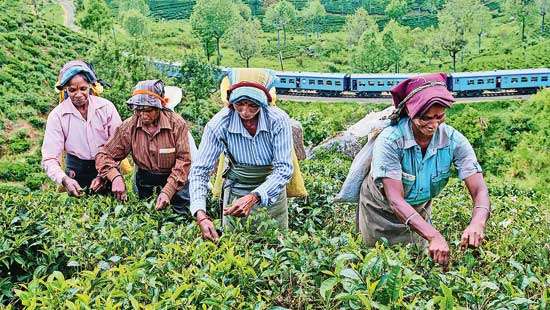
The word ‘sustainability’ is often distorted without being used in ecological context to get its proper meaning. In simple terms, we have the responsibility to protect the right of future generations to live in a safe environment.
Gearing up SL to become a digital economy in smart and secure way: TRCSL
12 May 2021
0
997
Fast-tracking development is at the core of all efforts in Sri Lanka’s journey towards progression and with technology evolving at a rapid pace across the world, the island nation has acknowledged and understood the importance of getting onboard the digital bandwagon sooner than later.
How should Sri Lanka Finance COVID-19 vaccination rollout?
06 May 2021
0
1161
An effective vaccination strategy is a necessity for countries to move beyond COVID-19. However, it also requires careful policymaking to balance the financial cost of purchasing and delivering vaccines while stimulating economic growth.

Questions surrounding the Port City of Colombo
06 May 2021
0
1532
Sri Lanka is in a conundrum. its present governance has approved China’s extra-jurisdictional Special Economic Zone (SEZ) in Colombo Port City, right next to its commercial port.
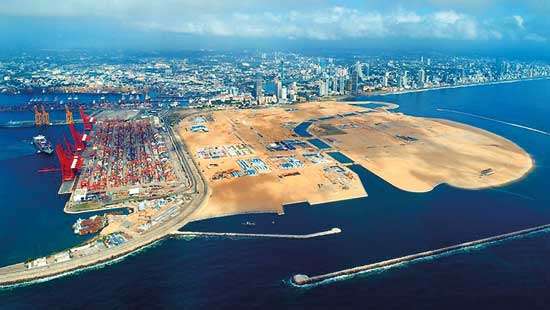
Threats to Sri Lanka’s national sovereignty under proposed Colombo Port City Commission Bill
05 May 2021
0
1035
The provisions of the Port City Bill, if enacted, will erode the legal and political sovereignty of Sri Lanka in a number of ways.
Total ban on chemical fertilizers and pesticides: Is it viable?
04 May 2021
0
3285
The media reported, a few days ago the Presidential ban on agrochemicals from the next Maha season, apparently with a total Cabinet nod.