Reply To:
Name - Reply Comment
From birth to death, food and nutrition are vital for good health and to produce healthy citizens who will play a key role in building a just and fair society with sustainable development and an equitable distribution of wealth and resources. Therefore it is vital for Third-World countries to regulate and closely monitor these areas because rich countries working with and through transnational corporations and other agents are involved in full scale economic neo-colonialism to sell their substandard if not dangerous products to Third-World countries or further plunder the resources of poor countries.
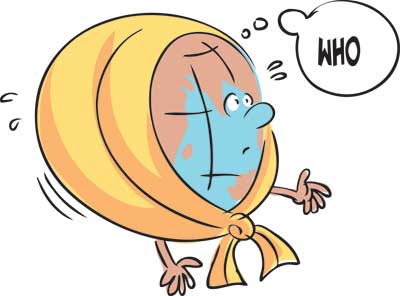 The Daily Mirror today revealed some shocking details of how this economic neo-colonialism is being manipulated through a once highly-respected and trusted United Nations Agency, the World Health Organisation (WHO).
According to the International Baby Food Action Network (IBFAN), the WHO at its 134th Executive Board meeting last month reviewed entities which are in, or are applying for, official relations with WHO – a status that allows them to make interventions during meetings when WHO’s global public health policies are formulated.
IBFAN said that because the ‘not-for-profit’ legal status has been conflated with ‘not working in the interest of profit-making,’ various industry groupings have already incorrectly gained NGO status with WHO.
WHO Governing bodies are now reviewing WHO policies on engagement with external actors. In June last year WHO’s Director General Dr. Margaret Chan warned about powerful economic operators and industry front groups being the biggest challenges facing health promotion: “It is not just Big Tobacco anymore. Public health must also contend with big food, big soda and big alcohol. All of these industries fear regulation and protect themselves by using the same tactics,” she said. In October last year she said, “these industries must not touch or influence in any way the formulation of standards and policies aimed at protecting the health of the public.”
IBFAN has called on the Standing Committee on NGOs to prioritise public health, remove the existing industry groups from the NGO category and refuse new applications from industry front groups.
One such NGO, which applied to be considered at last month’s WHO’s Executive Board meeting, was the Global Alliance for Improved Nutrition (GAIN). GAIN has assets of $61million and claims to work with 600 companies and civil society organisations, with a goal to reach 1.5 billion people with fortified foods that have a sustainable nutritional impact.
Last year the executive board decided to postpone consideration of GAIN’s application, because it was concerned about the nature and extent of the Alliance’s links with the global food industry and asked for more information about the position of the Alliance with regard to its support and advocacy of WHO’s nutrition policies, including infant feeding and marketing of complementary food.
This followed concerns about GAIN’s activities in Kenya in 2012 when it was discovered to be pressuring the Kenyan government to weaken its draft law on baby-food marketing.
IBFAN said it hoped Malaysia, Myanmar, Namibia, Panama and Lebanon, the five members of the Executive Board Standing Committee on NGOs, would agree that it was a misnomer for GAIN to be accepted as an NGO when it had such a commercial objective.
In view of all this, the Sri Lanka Government needs to appoint an independent committee of experts to formulate a national policy on food and nutrition to save our country from monsters which come in cow’s clothing.