Reply To:
Name - Reply Comment
In the aftermath of the milkgate crisis or the milkmare, millions of Sri Lankans were left confused as to what milk they should drink, whether milk was safe for human consumption and whether milk was essential for people other than breast-fed babies or elderly citizens who cannot take solid food.
Transparency International, a movement that works for accountability and State responsibility on a multitude of issues including food safety and security, held a public seminar on Tuesday on the role of the regulators. The movement had invited three groups who are involved in social justice activism and represent the interests of the consumers and also three representatives of the regulators—the Health Ministry, the Consumer Affairs Authority and the Ministry of Scientific Research and Technology. Unfortunately all three representatives of the regulators did not turn up though the organizers said they had promised to come when they were contacted that same afternoon. Thus the people in the audience were left wondering and asking questions as to how much their elected Government cares about vital issues such as food safety and security, medicinal drugs and related life or death issues.
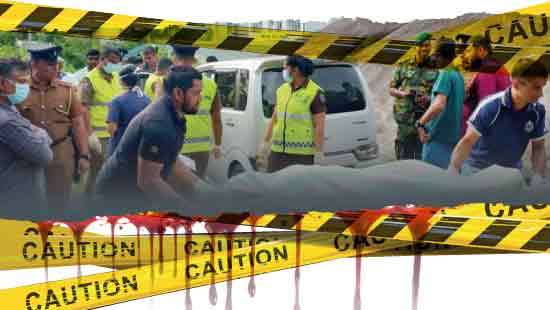
.jpg) Those who spoke on behalf of the consumers and civic activists in society were Saman Ratnapriya, leader of the Health Services Trade Union Alliance and the Government Nursing Officers’ Association, the Government Medical Officers’ Association media spokesman, Dr. Nuwan de Soysa, and the people-friendly nutritionist Dr. Damayanthi Perera who represents the Consumer Rights, Education and Empowerment (CREE movement). All three of them and the moderators from Transparency International were of the view it was foolish for Sri Lanka to spend between Rs. 40,000 million and Rs 50,000 million annually to import powdered milk mainly from New Zealand and Australia. They said Sri Lanka which was cash-trapped where foreign exchange was concerned should substantially cut down on imports and use the money to revive the local milk industry. They said the basic mistake the Government appeared to be making was to follow the western model of food safety and nutrition. For instance the United States model had failed so miserably that more than 40 percent of Americans are known to be obese and thus vulnerable to potentially fatal diseases like diabetes, high cholesterol, hypertension, heart ailments or stokes. Worse still, for the first time in history there are tens of thousands of cases where the children are dying before their parents largely because of a diet overloaded with fried chicken, hamburgers and other fast foods.
Those who spoke on behalf of the consumers and civic activists in society were Saman Ratnapriya, leader of the Health Services Trade Union Alliance and the Government Nursing Officers’ Association, the Government Medical Officers’ Association media spokesman, Dr. Nuwan de Soysa, and the people-friendly nutritionist Dr. Damayanthi Perera who represents the Consumer Rights, Education and Empowerment (CREE movement). All three of them and the moderators from Transparency International were of the view it was foolish for Sri Lanka to spend between Rs. 40,000 million and Rs 50,000 million annually to import powdered milk mainly from New Zealand and Australia. They said Sri Lanka which was cash-trapped where foreign exchange was concerned should substantially cut down on imports and use the money to revive the local milk industry. They said the basic mistake the Government appeared to be making was to follow the western model of food safety and nutrition. For instance the United States model had failed so miserably that more than 40 percent of Americans are known to be obese and thus vulnerable to potentially fatal diseases like diabetes, high cholesterol, hypertension, heart ailments or stokes. Worse still, for the first time in history there are tens of thousands of cases where the children are dying before their parents largely because of a diet overloaded with fried chicken, hamburgers and other fast foods.
The speakers told the consumers that while babies needed breast milk at least for one year and ailing elderly people needed milk to supplement their diet, the others should know there are plenty of Sri Lankan food items which are rich in vitamins and proteins. For instance they pointed out that gram, green gram or cowpea, sprats (haal messo, kathuru murunga leaves, and scores of other food items contained much more calcium than the highly-publicised powdered milk for which people pay high prices largely because they are being misled by unethical promotion.
If the Government is not willing or able to educate and empower the people on food safety, security and nutrition then movements like Transparency International, CREE and others should act to bring people together to “Be Sri Lankan and Buy Sri Lankan”. The people need to be educated that some imported food is junk or polluted with one of the speakers pointing out that there were imported apples which were more than 9 months old apparently because of the preservatives used.