Reply To:
Name - Reply Comment
The latest scandal at the National Cancer Institute in Maharagama is a symptom of how much Sri Lanka’s health service has degenerated. It also gives a clear diagnosis of the need for the Rajapaksa regime—amid fanfare of expressways and other showpiece projects at skyrocketing costs—to act urgently in restoring a health service where the well-being of the patients is given top priority.
.jpg)
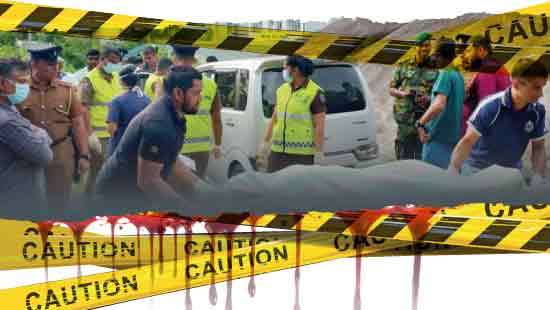
According to reports, five pharmacists attached to the Maharagama Cancer Institute have been interdicted for alleged involvement in a racket relating to highly expensive cancer drugs given to child victims of the dreaded decease. The pharmacists are alleged to have resold vials of this drug valued at about Rs. 237,000 each, to a pharmaceutical company which allegedly resold them to the cancer institute. The CID has been called in to probe the racket involving up to one million rupees. Health Ministry officials say the pharmacists, if they are found guilty, will have to repay the money, while the pharmaceutical company has been blacklisted. But as we often see in the multitude of medical frauds today, the pharmaceutical company says a rival company has concocted this story to ruin its reputation.
In recent decades we have seen a tragic or deadly trend where medicine, which was once based on the hallowed precepts of the Hippocratic Oath, gradually became a money-making profession and is now largely a business. Trans-national drug companies have become one of the biggest profit-making industries in the world with all sorts of double dealing and corruption. Private hospitals have also become big business as are pharmacies which are spreading all over the country like the dengue epidemic. The unkindest cut is that a large number of medical consultants appear to be colluding in the corruption of the medical service by accepting scholarships and sponsorships, pleasure cruises and other inducements from the trans-national companies.
Amid all these unhealthy if not sickening developments, insiders say the cancer in the health sector is spreading far and wide in a way that is affecting even the Sri Lanka Medical Council (SLMC), which is the supreme governing body for medical ethics and related issues in Sri Lanka. One of Sri Lanka’s most eminent physicians Professor Carlo Fonseka has hitherto been conducting the affairs of the SLMC according to the highest traditions and principles despite pressure from various quarters which have vested interests.
But now in a move connected to the controversial private medical college in Malabe it is alleged that a powerful minister is trying to put pressure on the SLMC Chairman to retire. Insiders also say the minister is trying to promote another professor against whom several allegations have been made and sworn affidavits have been submitted. Questions are being asked by other respected medical professionals as to how and why a minister not connected with the health service is interfering with the work of the SLMC.
The private medical college in Malabe and the proposed Meerigama campus of a British University are turning out to be major issues threatening the foundations of two of Sri Lanka’s vital policies—the free health service and free education. If these crumble, Sri Lanka is in danger of producing a new generation that is largely unhealthy and not properly educated. This means all the expressways might carry us to a crash landing because Sri Lanka will lose its most precious treasure—the next generation.