Reply To:
Name - Reply Comment
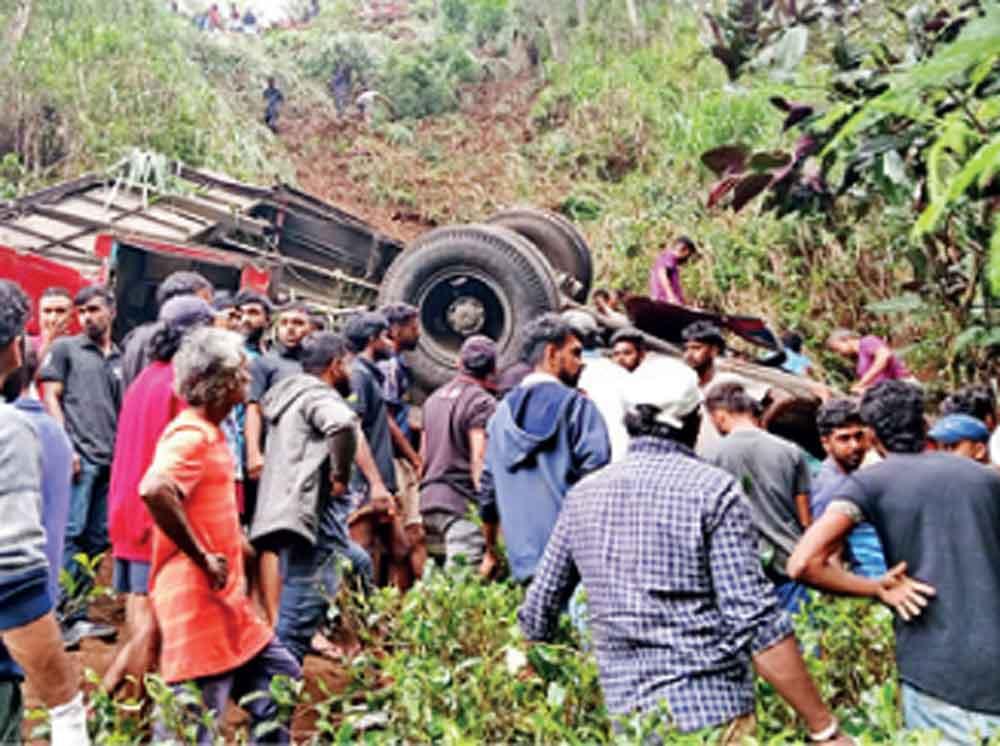
 Following the tragic Kotmale bus accident that claimed 22 lives and injured many more, the police have announced they will begin checking the running condition of buses on the road. While this may sound reassuring, it raises important questions about responsibility and capability.
Is it really the duty of the police to assess the roadworthiness of buses? Are they trained or equipped for such a technical task? The primary role of the police is to ensure that traffic laws are followed—speed limits obeyed, seatbelts worn, reckless driving penalised. Mechanical inspections, however, are a different matter altogether.
Can buses be properly assessed on the roadside, or will officers be visiting parking areas and garages? Even if so, how thorough and consistent can such inspections be?
Ensuring that buses—and all vehicles—on our roads are mechanically sound, is checking vehicles the responsibility of the Ministry of Transport and the Department of Motor Traffic (or Registrar of Motor Vehicles)? There must be a system in place for routine, professional inspections by qualified technicians.
In the UK, for example, vehicles must undergo an annual MOT test (Ministry of Transport test) at certified garages. Only after passing checks on brakes, tyres, lights, and other vital systems can a vehicle be legally used on public roads.
Sri Lanka needs a similarly robust system. Let us not wait for more tragedies to highlight the gaps in enforcement and regulation. The lives lost in Kotmale must not be in vain.
Upali Weerasinghe