Reply To:
Name - Reply Comment
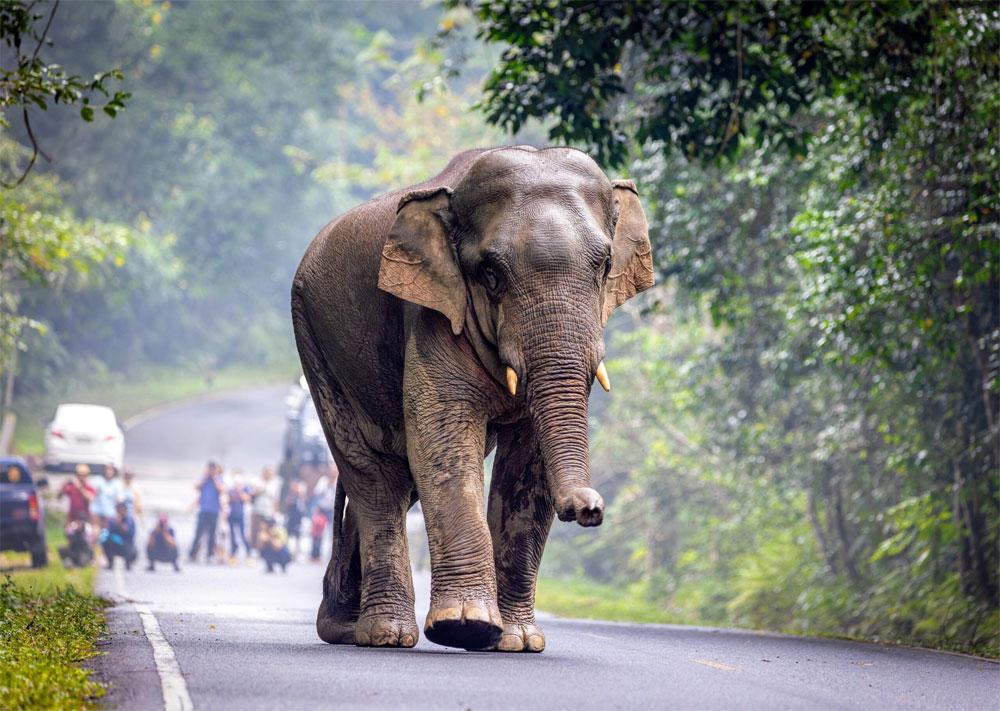
 The Human-elephant conflict has become an urgent issue in Sri Lanka, with frequent encounters leading to crop damage, injuries, and sometimes the tragic loss of life. Yet, history shows us that coexistence is possible if approached with care, respect, and understanding.
In the 1960s, our village of Oyapahala in Matale was a quiet place where the road ended at a suspension bridge over the river. We never had a dog, but we had Menikeh, a gentle elephant who was part of our family.
Our family ran a timber business, and Menikeh was more than a pet; she was a living crane, helping load and unload heavy logs with ease. Yet, she was never just a tool. Each morning, she would walk to the house and extend her trunk into the kitchen, waiting for bananas or a piece of kitul hakuru from my mother. She never broke a thing, inside or out.
Evenings were her bath time. Menikeh would stride to the river, followed by the boys of the village. Lying down for a brush with raw coconut husk, she seemed to bask in the attention, while the children got the thrill of riding her back to the shelter. She never harmed anyone, never destroyed crops, and lived a long, peaceful life. Years later, I dug at her burial site and kept a few bones and the bell she wore at night as a keepsake of her gentle presence.
Menikeh’s story reminds us that elephants and humans can coexist peacefully. In today’s Sri Lanka, where human-elephant conflict is growing, perhaps we can learn from such experiences that harmony is possible through domestication, respect, and care.
Zamzul Abdul Majeed
Matale