Reply To:
Name - Reply Comment

Understanding this “Finnish Recipe” offers profound insights into how a vibrant, culturally rich nation like Sri Lanka could embark on its own journey toward becoming a truly happy and prosperous society
 When people trust that institutions are fair, that the police are honest, and that their neighbours will not exploit them, they feel secure
The freedom from fear of catastrophe allows people to take healthy risks and pursue personal fulfillment
Finland’s education system is globally renowned not just for its academic results, but for its emphasis on equity, practical life skills, and teacher respect
Finally, the Finnish recipe includes a powerful meaning in life. This often stems from a strong work-life balance, high participation in hobbies, cultural activities, and volunteerism, and the time afforded by their efficient society to focus on family, friends, and personal passions
 Finland has consistently been ranked the world’s happiest nation, a title it has held for several years running in the UN’s World Happiness Report. This remarkable achievement isn’t attributed to a single factor but is a deeply rooted societal construct built upon strong pillars of trust, security, nature, excellent education, discipline, respect for the law, mutual respect, and a profound sense of meaning in life. Understanding this “Finnish Recipe” offers profound insights into how a vibrant, culturally rich nation like Sri Lanka could embark on its own journey toward becoming a truly happy and prosperous society.
Unpacking the Finnish Pillars of Happiness
The core of Finnish happiness lies in a combination of pragmatic societal structures and cultural values that prioritise collective well-being and individual freedom.
Trust and Security: The Foundation of Society
At the heart of Finnish society is an extraordinarily high level of social trust. Finns generally trust their government, their institutions, and, perhaps most importantly, each other. This pervasive trust minimises friction and anxiety in daily life. When people trust that institutions are fair, that the police are honest, and that their neighbours will not exploit them, they feel secure. This security isn’t just about low crime rates, but also about economic security provided by a robust welfare state. The system ensures that basic needs—healthcare, education, and unemployment support—are met, creating a powerful safety net that reduces the paralysing stress of potential failure or misfortune. The freedom from fear of catastrophe allows people to take healthy risks and pursue personal fulfillment.
Nature and Sisu: A Profound Connection
Finns maintain an exceptionally close attachment to nature. Surrounded by vast forests and thousands of lakes, nature is not just a backdrop but an integral part of life. The concept of “Everyman’s Right” (Jokamiehenoikeus) allows anyone to walk, ski, cycle, or camp freely on any land, regardless of ownership, provided they don’t cause harm or disturb others. This connection is restorative, mitigating stress and promoting physical health. Furthermore, the national trait of Sisu—a unique Finnish term often translated as stoic determination, grit, and perseverance in the face of adversity—works hand-in-hand with this nature connection. Sisu is the inner strength that allows Finns to endure long, dark winters and tough times, knowing that they can rely on their own resilience and the restorative power of their environment.
Excellence in Education and Civilization
Finland’s education system is globally renowned not just for its academic results, but for its emphasis on equity, practical life skills, and teacher respect. Education is entirely free, from pre-school to university, ensuring that a child’s success is not dictated by their parents’ wealth. The system prioritises play, shorter school days, and minimal homework in the early years, fostering a lifelong love of learning and curiosity, rather than relentless competition. This, combined with a high level of civilization—meaning well-functioning public services, clean cities, and efficient infrastructure—creates an environment where daily life is predictable, comfortable, and conducive to personal growth.
Discipline, Respect, and Meaning in Life
The Finnish approach is underpinned by a quiet but firm discipline and respect for the law. High compliance with rules, from traffic laws to tax obligations, is seen not as an imposition, but as a necessary contribution to the well-being of the community. This mutual respect extends to honouring others’ personal space and time, leading to a less confrontational and more harmonious social atmosphere. Finally, the Finnish recipe includes a powerful meaning in life. This often stems from a strong work-life balance, high participation in hobbies, cultural activities, and volunteerism, and the time afforded by their efficient society to focus on family, friends, and personal passions. Happiness, for Finns, is less about fleeting euphoria and more about quiet contentment derived from a life that is stable, meaningful, and lived in harmony with others and nature.
The Sri Lankan Context: Challenges and Aspirations
Sri Lanka is a nation blessed with immense natural beauty, a rich cultural heritage stretching back millennia, deeply ingrained family values, and a naturally warm, hospitable people. Yet, recent years have seen profound economic and political challenges that have severely eroded public confidence and happiness. Widespread corruption, political instability, crippling debt, and a lack of social mobility have created an environment of anxiety and disillusionment.
To transition from this state of instability to a truly happy and sustainable nation, Sri Lanka must strategically adopt and adapt the core principles of the Finnish model, leveraging its own unique strengths.
The 10-Point Blueprint for a Happier Sri Lanka
Making Sri Lanka a happy nation requires a generational commitment to systemic reform and a profound cultural shift. It is not about simply copying Finland, but about translating its principles into a workable Sri Lankan context.
Rebuilding Trust and Establishing the Rule of Law (The Anchor)
Investing in World-Class, Equitable Education (The Engine)
Prioritising Environmental Stewardship (The Soul)
Fostering Civic Discipline and Mutual Respect (The Glue)
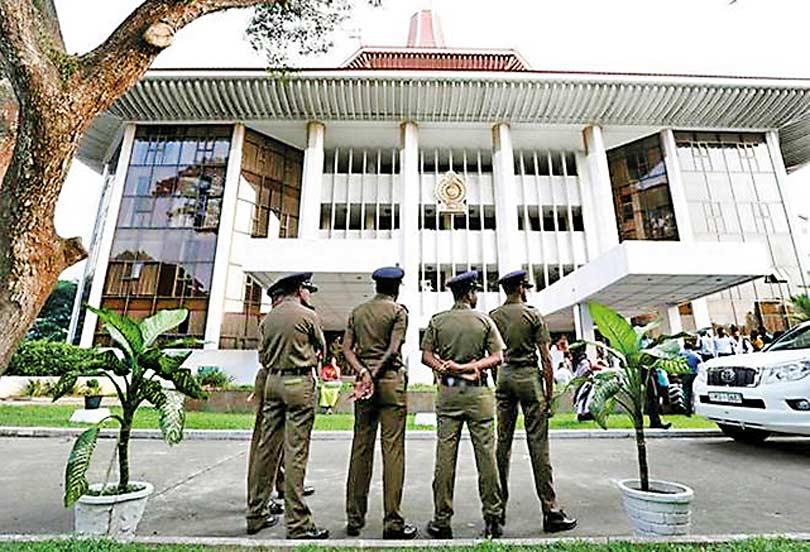
Strengthening the Judiciary and Police: The justice system must be perceived as fair, efficient, and equally applied to all citizens
Democratizing Public Services (The Convenience)
Promoting Mental Health and Sith Sathuta (Inner Peace)
Harnessing the Power of Youth and Innovation (The Future)
Leadership by Example (The Call to Action)
Conclusion: The Journey to Freedom and Happiness
The “Finnish Recipe” is not just a list of ingredients; it is a social contract based on the simple premise that every citizen deserves to live a life free from existential fear, with access to nature, education, and justice. By prioritizing Trust over personal gain, Equity over hierarchy, and Discipline over chaos, Sri Lanka can begin to harness its extraordinary potential.
The ultimate goal is not just economic recovery, but achieving true Nidahas—a profound freedom from suffering and anxiety, leading to a state of collective, sustainable happiness. This task belongs to every Sri Lankan, from the highest office to the individual citizen choosing to respect a traffic light or keep their street clean. By upholding the highest standards of civic virtue, Sri Lanka can transform its inherent warmth and natural beauty into the most enviable title of all: The Happiest Nation in the Indian Ocean.
“PEACE COMES FROM WITHIN. DO NOT SEEK IT WITHOUT”(Lord Buddha)
(The writer, Major General Dr. Boniface Perera is a battle hardened Infantry Officer who served the Sri Lanka Army for over 36 years, dedicating 20 of those to active combat. In addition to his military service, Dr. perera is a respected International Researcher and Writer, having authored more than 200 research articles and 16 books. He holds a PhD in economics and is an entrepreneur and International Analyst specialising in National Security, economics and politics. He can be reached at [email protected])