 KELUM BANDARA
 Reply To:
Name - Reply Comment
- When I first came to Sri Lanka two decades ago, Sri Lanka was economically ahead of India in many ways
- Economic recovery has happened wonderfully, now it is time for growth
- But over the past two decades, India has achieved tremendous progress
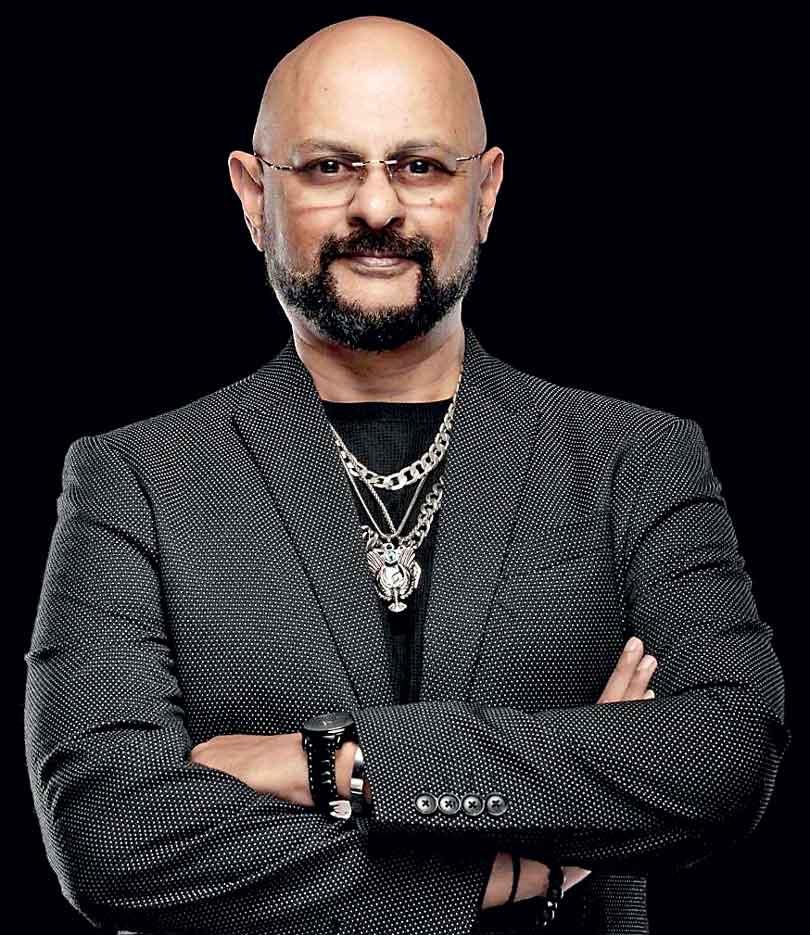
Sri Lanka has successfully restored a degree of macroeconomic stability after its worst economic crisis in decades. However, restoring stability alone is not sufficient to improve people’s living standards, according to Santosh Menon, President of the Lanka India Business Association (LIBA). In an interview with the Daily Mirror, Mr. Menon said Sri Lanka now requires a “fourth economic transformation” to create inclusive growth, improve purchasing power and ensure that the benefits of development reach all sections of society. He said India’s economic transformation over the past three decades, particularly through technology, financial inclusion and renewable energy, offers important lessons for Sri Lanka.
Q: When we talk about the economy and business, what is the ultimate objective?
Ultimately, the economy and business are about improving people’s lives. That is the fundamental purpose. People already have a certain lifestyle, but economic development should enable them to improve their quality of life.
Economic growth is meaningful only when it translates into better opportunities, higher incomes, greater purchasing power and improved living standards for ordinary people.
Q: Looking back at Sri Lanka’s economic history, when did you see major transformations taking place?
If you look at Sri Lanka’s economic history, there were three significant periods when major economic transformation took place.
The first was in 1978, when President J.R. Jayewardene opened up the economy. That created a new economic direction for Sri Lanka, although later the country was affected by the prolonged conflict.
The second major transformation happened in the early 1990s, particularly around 1991, when export-oriented industries expanded under President Ranasinghe Premadasa. The establishment of garment factories and the growth of the export sector created significant employment opportunities and improved living standards.
The third transformation came after the end of the war in 2009. Sri Lanka experienced a significant increase in economic growth and improvements in living standards.
If you look purely at per capita GDP growth, these three periods — 1978, 1991 and the post-war period — represent major economic turning points.
Q:Do you think Sri Lanka needs another transformation now?
Yes. Sri Lanka needs a fourth economic transformation. The country has gone through a very difficult period over the last five years, beginning with the pandemic and followed by the economic crisis. Today, Sri Lanka has rebuilt some economic stability. Inflation has improved, fiscal management has strengthened and the country is moving forward with the support of the IMF programme.
However, the real question is whether people feel that improvement in their daily lives.
Poverty levels increased significantly during the crisis. Many people lost purchasing power, and although macroeconomic indicators have improved, household incomes have not recovered at the same pace.
Therefore, the next phase must focus on inclusive growth — ensuring that economic development benefits all sections of society.
Q: India has undergone a remarkable economic transformation. What lessons can Sri Lanka learn from India?
When I look at India today compared with 20 years ago, it is a completely different country.
When I first came to Sri Lanka two decades ago, Sri Lanka was economically ahead of India in many ways, especially considering its smaller population. But over the past two decades, India has achieved tremendous progress. The most important aspect of India’s transformation is social inclusivity. Economic growth has meaning only when both rich and poor sections of society benefit.
India has made significant progress in bringing people into the formal financial system. Millions of people who previously had limited access to banking now have accounts and access to financial services. Technology has played a major role in this transformation.
Q: What role has technology played in India’s economic development?
Digital public infrastructure has been one of India’s biggest achievements. Through systems such as digital identity, banking connectivity and digital payments, the government has been able to directly reach citizens.
Previously, when welfare benefits moved from the government to citizens, there were often several layers of intermediaries. This created inefficiencies and leakages. Digital systems have reduced those problems by allowing governments to directly transfer benefits to people.
The impact is not only about convenience. It is about empowerment. Technology has enabled people in rural areas and lower-income groups to participate more actively in the economy.
Q :India’s digital payment system has attracted global attention. How important is this for economic inclusion?
India’s digital payment ecosystem has transformed everyday life. Today, people can make payments simply through their mobile phones. Even small vendors and roadside sellers use QR codes.
But the bigger impact is that technology creates an economic identity for people. When identity, banking and communication systems are connected, governments and businesses can reach citizens more effectively.
This is an important lesson for countries like Sri Lanka because technology can help create a more socially inclusive economy.
Q: Sri Lanka has restored stability under the IMF programme, but many people are still struggling. What is missing?
The issue is that economic recovery and economic development are not the same thing.
Sri Lanka has achieved progress in stabilising the economy. Inflation has reduced and confidence has returned. But people are still dealing with the consequences of the crisis. The cost of living has increased significantly. Something that cost Rs.100 in 2021 may now cost around Rs.170. However, salaries have not increased at the same rate. Therefore, in real terms, many people have less purchasing power than before.
Sri Lanka must now move from stabilisation to growth. It must create wealth, generate employment and ensure that people at the lower levels of society also benefit.
Q:You have highlighted India’s renewable energy development. How can Sri Lanka benefit from this sector?
Renewable energy is one of the biggest opportunities for both countries. India has made remarkable progress in renewable energy. The country is rapidly increasing its solar and wind capacity and has set ambitious targets for the future.
Sri Lanka is also blessed with natural resources, particularly sunshine and wind. There are areas where Sri Lanka can generate significant renewable energy.
Technology cooperation with India can help Sri Lanka accelerate its own renewable energy transition.
The future of economic development will be shaped by two major pillars — technology and green energy.
Q:How do you assess current Indian investments in Sri Lanka?
Indian investment in Sri Lanka has already created significant value. Companies such as Lanka IOC have been operating in Sri Lanka for many years, contributing to the economy and employing Sri Lankan workers.
The Colombo West International Terminal project is another important investment involving Indian participation and local partnerships. It is creating modern infrastructure and developing local skills.
There are also major investments such as ITC’s Colombo project.
However, economic cooperation should not be viewed only through the lens of investment. The relationship must go deeper. Today, countries need stronger economic partnerships, not just individual investments.
Q:India invests billions of dollars globally, but Sri Lanka receives only a fraction. How can Sri Lanka attract more Indian investment?
Capital goes where there is opportunity. Investment decisions are market-driven. Sri Lanka competes with countries such as Singapore, Dubai and Mauritius. Therefore, Sri Lanka must create an environment where investors see clear opportunities and attractive returns. The country must move beyond economic stabilisation and create policies that encourage private sector investment.
Sri Lanka has advantages — its location, skilled workforce and proximity to India. These strengths need to be fully utilised.
Q:What is your view on greater connectivity between India and Sri Lanka, including land connectivity?
Connectivity is a very important issue. I recognise that land connectivity is a sensitive topic in Sri Lanka and that people have concerns. However, from an economic perspective, deeper connectivity can create enormous opportunities.
If Sri Lanka is connected with India through electricity links, digital connectivity, energy infrastructure and improved transport links, the economic benefits could be significant. Sri Lanka is located next to one of the fastest-growing economies in the world. That presents a major opportunity.
The important thing is that these discussions must take place openly, and people must feel comfortable and secure about the process.
Q :How can Sri Lanka benefit from closer access to the Indian market?
India is not one single market. It is a collection of many large and growing markets.
There are 36 states in India, and many of them have economies larger than Sri Lanka’s. This creates tremendous opportunities for Sri Lankan exporters and businesses.
Sri Lanka’s geographical location is also an advantage. Colombo is closer to many parts of South India than some Indian cities are to each other.
If Sri Lanka can develop itself as a logistics and manufacturing hub, it can serve the growing South Indian market.
Q: What is your message regarding the future of India-Sri Lanka economic relations?
Sri Lanka has a unique opportunity at this moment.
India is growing rapidly in technology, renewable energy and economic capacity. The relationship between India and Sri Lanka is currently very positive.
The next few years are important. Sri Lanka should use this opportunity to deepen economic cooperation, improve market access and create stronger links with India.
The goal should not simply be investment. The goal should be creating a partnership that supports long-term economic development and improves the lives of people in both countries.