Reply To:
Name - Reply Comment
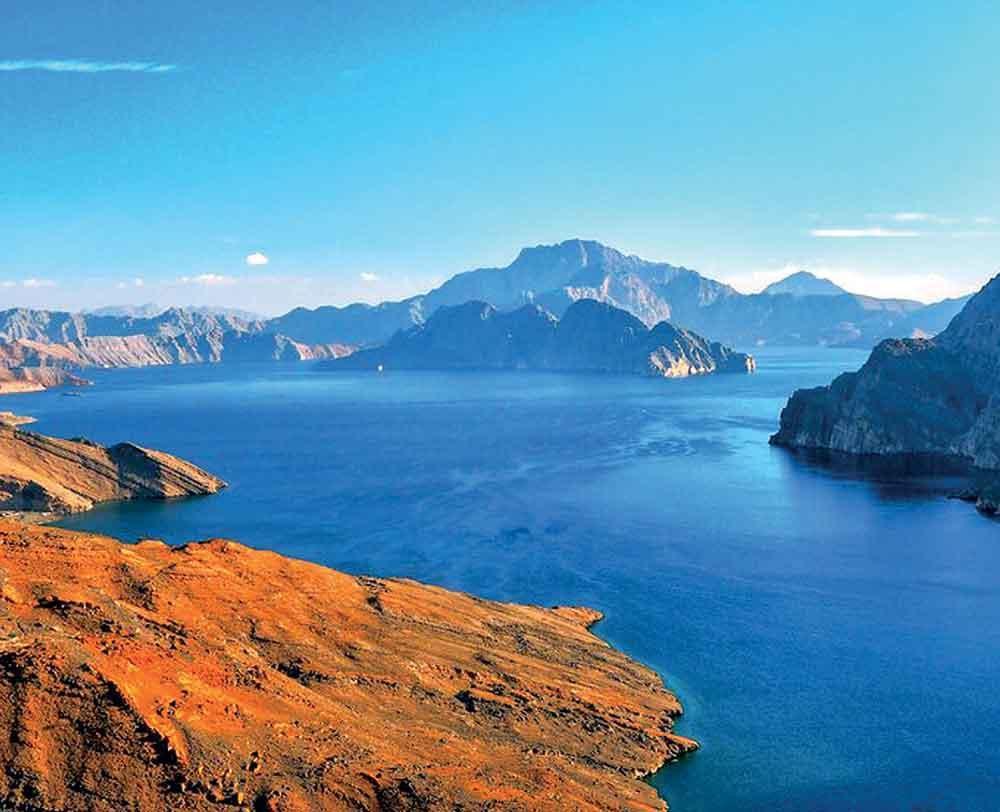
Following the recent military escalation involving combined strikes on Iran and the subsequent de facto closure of the Strait of Hormuz, the global economy is staring down a “black swan” event
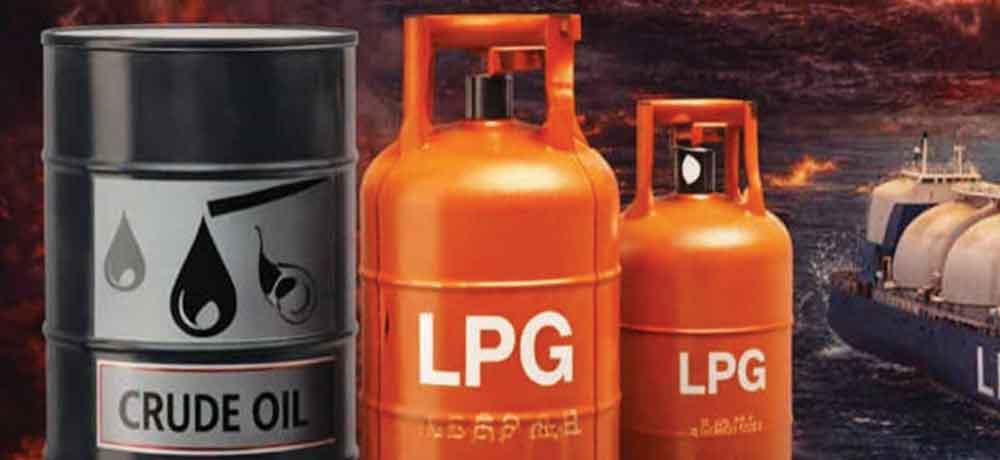
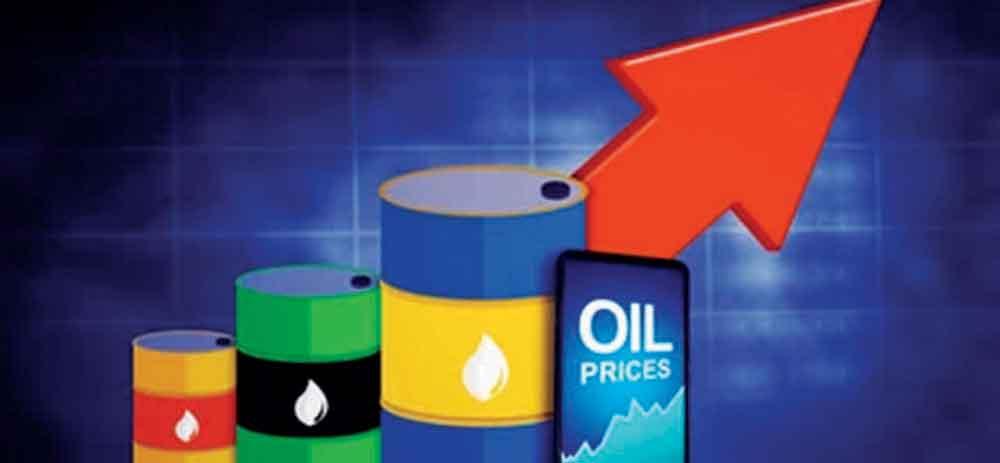
The Strait of Hormuz is the jugular vein of the global energy market, carrying roughly 20% of the world’s daily oil supply and 20% of its Liquified Natural Gas (LNG)
 Unless the government moves beyond superficial press releases and begins implementing a wartime economic strategy, it is not a matter of if a 2022-style crisis will return, but when. The public rally against the government is already being fueled by the rising costs of today; it will be ignited by the lack of vision for tomorrow
For Sri Lanka, the “cost-reflective pricing” mechanism recently implemented means that every dollar increase in global oil is passed directly to a public already pushed to the brink. On March 10, 2026, the Ceylon Petroleum Corporation was forced to hike fuel prices despite government assurances of “adequate stocks” just days prior

The geopolitical landscape of early 2026 has shifted with a violent suddenness that the current Sri Lankan administration seems ill-prepared to navigate. Following the recent military escalation involving combined strikes on Iran and the subsequent de facto closure of the Strait of Hormuz, the global economy is staring down a “black swan” event. For a nation like Sri Lanka still tender from the scars of its 2022 sovereign default this is not merely a foreign policy curiosity; it is a systemic threat to its very survival.
The government’s rhetoric has largely centered on “managing inflation” and “monitoring stocks,” but such superficial responses suggest a profound lack of depth in forecasting the granular, interconnected economic disasters now in motion. While the state focuses on the price at the pump, it ignores the structural collapse of the supply chains, labor markets, and foreign exchange lifelines that sustain the island.
The Hormuz energy crisis
The Strait of Hormuz is the jugular vein of the global energy market, carrying roughly 20% of the world’s daily oil supply and 20% of its Liquified Natural Gas (LNG). With tankers currently stranded and major shipping lines like Maersk and Hapag-Lloyd rerouting around Africa, the immediate surge in Brent crude surpassing $100 per barrel is only the first domino. For Sri Lanka, the “cost-reflective pricing” mechanism recently implemented means that every dollar increase in global oil is passed directly to a public already pushed to the brink. On March 10, 2026, the Ceylon Petroleum Corporation was forced to hike fuel prices despite government assurances of “adequate stocks” just days prior. This reactive stance proves the administration lacks a predictive framework; having fuel in a tank is useless if you cannot afford to replenish it at the new global market rate without exhausting your meager foreign reserves.
The Fertilizer-Food Nexus: A Threat to the Agrarian Heart
Beyond oil, the conflict strikes at the foundation of Sri Lanka’s food security. The Middle East is a global hub for the production of nitrogen-based fertilizers. Urea and ammonia prices have surged by over 20% in the last week alone as natural gas feedstocks are diverted or blocked.
The Fragile Lifelines: Remittances and Tea
Perhaps the most critical failure in the government’s forecasting is its lack of a “Plan B” for the two pillars of its foreign exchange: migrant labor and tea.
1. The Human Capital Crisis
There are currently over one million Sri Lankans working in the Middle East. In 2025, they remitted over $8 billion, the single largest source of foreign currency.
2. The Tea Export Paralysis
The Middle East (specifically Iraq, Iran, and the UAE) accounts for nearly 50% of Ceylon Tea exports.
The “2022” Specter: A Chain Reaction of Social Unrest
The administration’s “wait-and-see” approach is a luxury the country cannot afford. If the conflict persists beyond six weeks, the economic fallout will follow a predictable, devastating path:
When jobs are lost and the “electricity bill” becomes a choice between light and food, the population will not look to the Middle East for blame; they will look to the Presidential Secretariat. The lessons of 2022 taught us that economic instability is the fastest precursor to political upheaval.
Conclusion: A Call for Depth
The current government’s response has been one of “monitoring” rather than “maneuvering.” True depth in forecasting requires more than tracking the price of oil; it requires a proactive shift toward energy independence, the securing of alternative trade routes, and a robust contingency plan for the repatriation and domestic absorption of migrant workers. Unless the government moves beyond superficial press releases and begins implementing a wartime economic strategy, it is not a matter of if a 2022-style crisis will return, but when. The public rally against the government is already being fueled by the rising costs of today; it will be ignited by the lack of vision for tomorrow.
(The writer is a distinguished International Researcher, Author and analyst with a career spanning over 36 years of service in the Sri Lanka Army, including 20 years in active combat. A seasoned Infantry officer, Major General (Retd) Dr Boniface Perera holds a PhD in Economics and has authored 17 books and over 200 research articles. His multifaceted expertise bridges the gap between National Security, Global Politics and Economic strategy. As an entrepreneur and International analyst, he provides strategic insights into the intersection of security and economic policy. He can be reached [email protected])