Reply To:
Name - Reply Comment
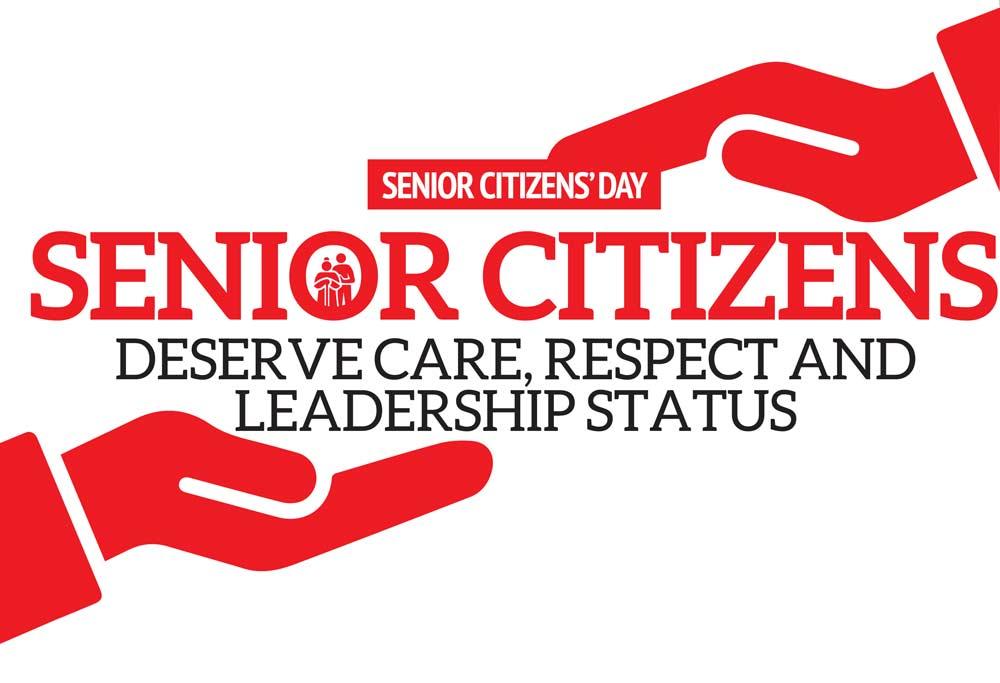
 National Senior Citizen’s Day recognises seniors who have spent their lives contributing to the society and have impacted everyone’s life for the better. Improved healthcare has changed demographics and increased productivity of older citizens allowing them to be more active than ever before. With more opportunities available as well, many senior citizens now begin second careers and are an example to younger generations. The country’s foundation and stable sectors are the result of hard work by our senior citizens and they deserve the gratitude of all
The history of the world senior citizen’s Day dates back to 1988. It was officially founded by the former President of the United States of America, Ronald Reagan. He had signed on August 19, 1988, the promulgation 5847 which appeared on August 21st as National Day of the Third Age. Ronald Reagan was the first to announce the first National Day of the first Age.
Senior citizens – maturity and wisdom
|
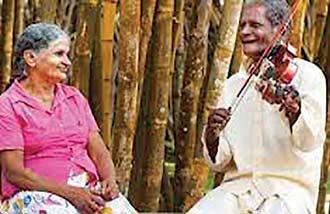
Many senior citizens have talents and skills which aren’t made use of |
According to the Oxford dictionary a citizen is a person who is legally accepted as a member of a particular country. As such, those who have been born and lived a long period until reaching the age of retirement and beyond that are regarded as senior citizens of that country. Dictionary meaning of the term “Senior citizen” is an old- age pensioner,” -- one who is entitled to and receives pension –money paid by the Government or a company to somebody who has stopped working or retired because of old age. In this writer’s opinion, senior citizenship should not be confined to old age pensioners in the public sector or in the private sector merely because of the regular payment made to them trough pension facilities or The Provident Fund. In fact they form one of the numerous sections of Senior citizens. Apart from “old age pensioners” there are many others who fall into the category of “Senior Citizens.” First, there are the self employed citizens of the country such as farmers, planters, and builders including carpenters, masons or brick layers, businesspersons, Musicians and dancers, daily wage workers, drivers, media personnel and most importantly members of the clergy who are legitimate citizens of the country regardless of the fact that they are not pensioners but will be counted among the “Senior citizens” of the country. In an extended family, there are grandparents who represent “senior citizens”, parents or adults who represent the breadwinners of the family and children and grand children who are expected to undergo learning and training to be future citizens and Senior citizens later in their lives. It is the responsibility of senior citizens to guide their successors – sons and daughters and grand children -- to be citizens useful to the country. They should promptly correct them whenever they do something wrong. They should win the hearts of their successors, especially those of the marriage partners of their sons and daughters.
Senior citizens should not be isolated. It is the responsibility of the sons and daughters to look after their parents when they are old and become senior citizens especially when they are very old and are unable or find it difficult to attend to their personal needs and wants. During the early stage of a senior citizen’s life, he or she may not need any one else’s assistance to manage his or her personal affairs. He or she may sometimes be able to assist and even play a leading role in the domestic affairs of the family. Often seniors give us useful advice. Our elders and their friends have a lifetime’s wealth of precious experiences (and stories) to share. For centuries, cultures across the world have looked to the stories in their communities for wisdom and knowledge. In times of trouble or when we simply don’t know what to do, seniors are often the first people we turn to for a different or even unusual perspective. However, when they are very old and feeble, they will need our care and assistance. It is at this stage that someone should extend a helping hand.
Seniors give generously. It is widely known that seniors make more charitable donations than any other age group. Seniors are often volunteers especially because they have much more time to devote. Most of them devote this time for religious observances presumably because they feel that they are nearing death.
Perhaps this stem from their generous and charitable nature, but seniors are very good in making us feel special. Grandparents dote on us when we need it. They want to have or show a lot of love and affection on us. Sometimes they show a lot of love and affection when one in the real sense does not need it. Let us salute every grandparent or elderly loved one who has given us a treat because it is a pleasure or consolation to him or her. It is a sin to dishearten a senior citizen.
Senior Citizens In Sri Lanka
In Sri Lanka a senior citizen is generally defined as someone 60 years of age or older. Senior citizens in Sri Lanka come under the Ministry of Social Empowerment and Welfare. Various services and benefits such as access to elders’ identity cards, specific savings accounts, and access to insurance schemes are available to Senior citizens of Sri Lanka. Sri Lanka has a national policy for Senior Citizens. The policy highlights the importance of dignity, security and freedom from exploitation. It also encourages active participation in community life and sharing of knowledge and experience with younger generations.
Forced To Live In Homes For Elders
There are homes for elders or places provided by the state or private sector social services institutions for senior citizens to spend their sunset years. Some of these Homes for Elders are run from the offerings made by donors. Some others are funded and maintained by the Ministry of Social Empowerment and Welfare. There are yet other Homes for Elders which are similar to boarding houses. Funds of such Homes for Elders are raised from the fees paid by the inmates themselves from their pension money, savings or fees paid by their care takers. There are instances where the sons and daughters living abroad send the fees on behalf of their parents.
Get together opportunities, some of which take the form of talent shows are made available. It is observed that some of these Senior citizens are skilled in various fields -- scholars, writers, artists, musicians, orators, farmers, engineers etc. Nut they are deprived of the opportunity to exhibit their talents in the manner they wish. Can Senior Citizens feel at home in these homes for elders if they are deprived of the opportunity to live with the rest in the families, share their needs and wants while not being able to use their talents to creative ends if they wish to?