Reply To:
Name - Reply Comment
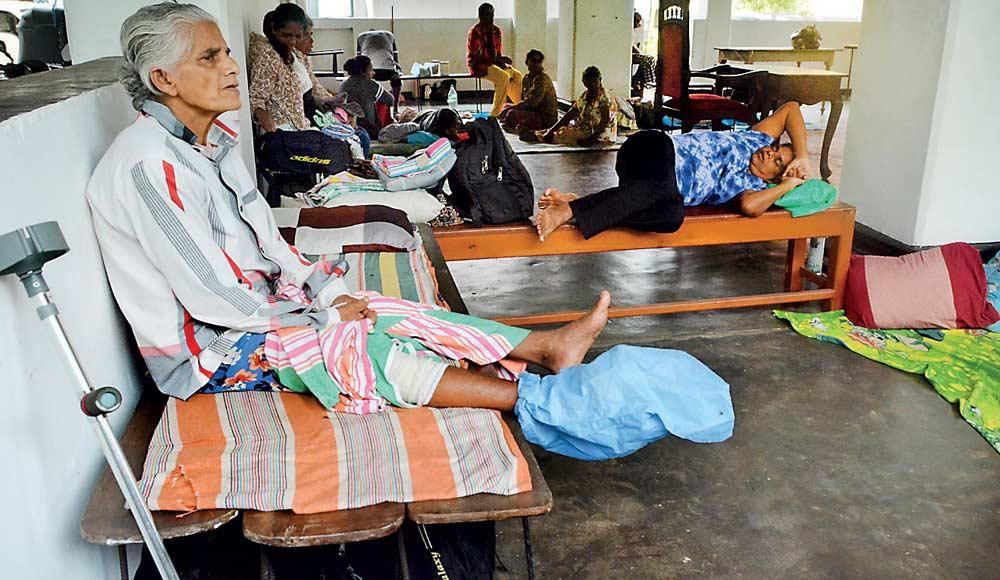
survivors often experience intense physiological and emotional reactions
 When homes, livelihoods, belongings and loved ones are lost, a person’s sense of safety and identity is shaken.
By Niva Perera
The recent floods in Sri Lanka have left individuals and communities facing profound emotional, psychological, and practical challenges. Beyond the visible destruction, many survivors are navigating shock, loss, fear, grief, and uncertainty about the future. These reactions are normal responses to an overwhelming event.
When homes, livelihoods, belongings and loved ones are lost, a person’s sense of safety and identity is shaken. In the immediate aftermath of the floods, survivors often experience intense physiological and emotional reactions. These may include hypervigilance, disturbances in sleep, intrusive memories, irritability, emotional numbing, and difficulty concentrating.
From a clinical standpoint, these symptoms represent the nervous system’s natural response to overwhelming threat. They should not be pathologised prematurely. Instead, it is essential to normalise these reactions as adaptive mechanisms that enabled the individual to navigate life-threatening danger. Many survivors feel frightened by their own reactions, believing something is defective with them when, in fact, their bodies and minds are simply working to restore stability after a period of extreme stress.
The human brain is fundamentally hardwired towards survival, away from danger by operating at its full protective capacity, particularly following a disastrous aftermath. Consequently, trauma survivors will experience intrusive memories, flashbacks, sensations that resemble the original trauma, with the brain on high alert or hypervigilant. These reactions reflect the brain’s adaptive attempt to detect and respond to potential threats, even when the danger has passed. Recovery takes time, and everyone heals in their own way. The following FAQs provide simple, practical guidance to help survivors understand what they may be experiencing, how to support themselves in the coming days and weeks, and when to seek additional help.
1. Is it normal to feel scared, numb, or overwhelmed after the floods?
Yes. Strong emotional and physical reactions, such as hypervigilance, trouble sleeping, irritability, intrusive memories, or feeling disconnected are natural responses to overwhelming stress. The brain remains on high alert to keep you safe. These reactions often settle gradually as your environment stabilises.
2. I can’t stop thinking about what happened. Is something wrong with me?
No. Intrusive thoughts or memories commonly occur after a traumatic event. They reflect the brain’s survival system still processing the danger. These thoughts usually reduce over time. You do not need to force yourself to be strong or push the memories away; gentle distraction and grounding strategies can help.
3. Should I talk about the traumatic experience in detail?
Only if and when you feel ready. You should never feel pressured to recount what happened. In the early stages, focusing on safety, rest, routines, and emotional support is more important than detailed storytelling. Forced retelling can sometimes increase distress.
4. What can I do right now to feel more stable?
You can:
 Attend to basic needs first: food, rest, hydration, medication.
Stay connected with supportive people.
Engage in calming activities (breathing, gentle movement, prayer, rituals).
Maintain simple routines wherever possible.
Limit exposure to frightening media or rumours.
These steps help your body understand that the immediate danger has passed.
5. Why am I grieving so many things at once?
Disasters bring cumulative loss, not only of loved ones but of homes, possessions, community structures, land, and memories. Your identity, culture, and sense of belonging may feel disrupted. It is normal for grief to come in waves, shifting between sadness, anger, guilt, numbness, or moments of gratitude.
6. How can I support my children?
Children may show distress through behaviour, clinginess, tantrums, sleep issues, or withdrawal. What helps most is:
Reassurance and calm presence
Maintaining routines
Allowing play, drawing, and storytelling as outlets
Giving honest but age-appropriate information
Children watch adults carefully; your tone and behaviour help them feel safe.
7. I’m living in a temporary shelter and feel constantly on edge. What can I do?
Crowded or noisy shelters can worsen anxiety. Try to:
Create small calm zones where possible
Connect with supportive neighbours
Participate in group activities or community discussions
Practice grounding techniques (slow breathing, noticing surroundings). If you notice fear increasing during rain or news updates, remind yourself that your current environment is monitored for safety.
Connect with our spiritual side.
8. What cultural or spiritual practices can help with recovery?
Rituals such as religious ceremonies, almsgiving, prayer, memorial gatherings, or community meals can provide collective strength and emotional connection. These practices help honour loss and restore a sense of continuity. Integrating cultural and spiritual traditions is an important part of healing for many Sri Lankan communities.
9. When should I seek professional help?
You may benefit from speaking with a trained mental-health professional if:
Distress does not improve after several weeks
You experience ongoing nightmares, flashbacks, or severe avoidance
You feel emotionally numb or disconnected much of the time
Daily functioning becomes difficult
You struggle to care for yourself or your children
Seek help early, support is available, and recovery is possible.
10. How do I take care of myself while trying to help others?
Survivors often carry not only their own pain but also the needs of family and community. Remember:
Take breaks and rest
Share responsibilities where possible
Reach out for support from trusted people
Be kind to yourself, your wellbeing matters, too
Emotional resilience grows when both individual and community needs are honoured.
11. Why do I feel guilty for surviving or for not being able to help more?
Survivor guilt is common after disasters. It does not mean you did something wrong. It is a sign of compassion and connection to others. Over time, guilt can soften through understanding that no one person controls natural disasters or their outcomes, and that doing your best under extreme stress is enough.
12. Why do my symptoms intensify at night or during periods of rain?
Certain triggers, such as sounds, smells, darkness, weather changes can activate the body’s memory of danger. These reactions are normal and often temporary. Grounding techniques, such as reminding yourself of your current safety, and speaking with a professional if symptoms persist can help.
Niva Perera is a registered psychologist (Trauma- informed practioner) in Australia