Reply To:
Name - Reply Comment
 Sri Lanka has discussed rural indebtedness since independence, yet successive governments have failed to address this deepening crisis. What was once largely a problem among farming communities has now spread far beyond.
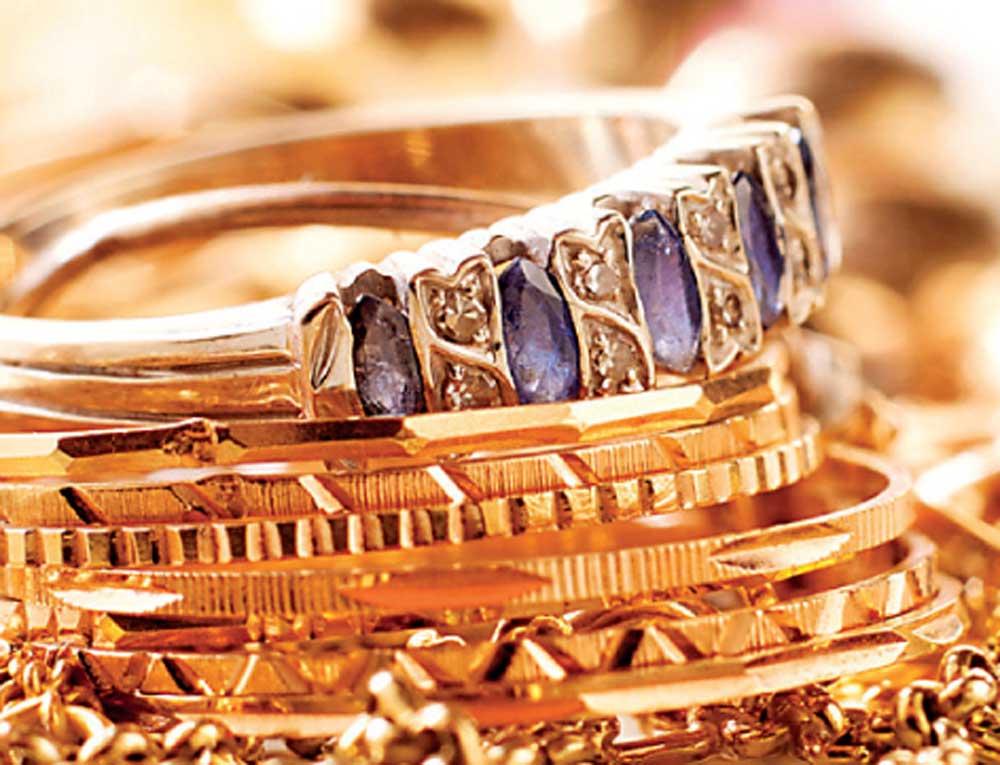
Despite being heavily indebted, many farmers continue to depend on free or subsidised fertiliser. Today, almost 90% of farmers have their gold jewellery not at home, but pledged at banks, finance companies, pawn brokers, or informal lenders. According to the Central Bank’s 2024 report, outstanding gold-loan (pawning) advances stood at Rs. 659 billion, increasing by about Rs. 550 million every year.
Alarmingly, the middle and lower-middle classes have now joined the queues at pawning counters. Since banks lend only a fraction of the pledged value, the total gold held by pawn brokers likely exceeds one trillion rupees—equivalent to about USD 3.3 billion.
The frequent auction notices in the media point to a growing social emergency. Many items being forfeited carry deep sentimental value—wedding rings, necklaces, and family heirlooms—causing enormous stress and trauma.
Unless urgent corrective action is taken, the social consequences of this unchecked trend could be severe and unavoidable.
Upali Weerasinghe