Reply To:
Name - Reply Comment
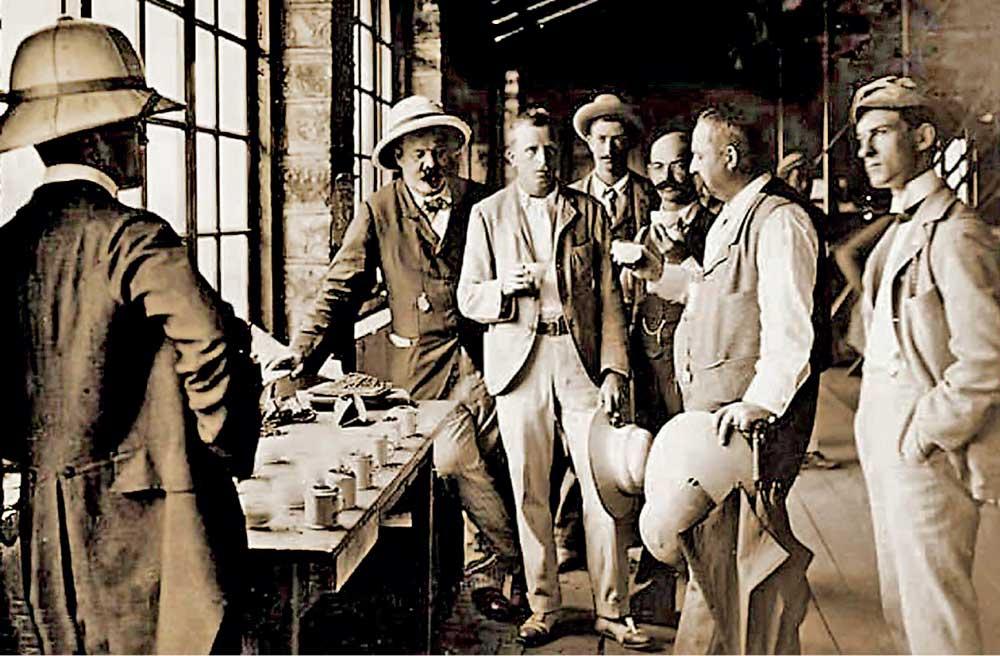
Among the many good things that the British introduced to Ceylon, was the tea culture and the industry that supported this refreshing beverage
- Most Sri Lankans would be now cursing the British for conquering this island. But when we study the period they were here and what they left behind, we must note that much of the British customs never really mattered even though we did value the roads and railroads they built
- The British way of handling situations after an argument is quite pleasing and gentlemanly. Disputes were settled over measured conversation accompanied by glasses filled with whiskey. There were no shouting matches

Life in Sri Lanka tests patience. People who don’t have patience often resort to using political clout to get things done or simply break the line when in a queue
When we celebrated 78 years of gaining independence from England this February 4, it gave us an opportunity to reflect on some of the cultures that the British taught.
For those who have a limited knowledge about the British influence on this island, we started saying Good Morning and playing cricket thanks to the British. It’s worthwhile to take some time off and reflect on the cultures that the Englishmen taught us.
We might have had a religion (or philosophy) called Buddhism that was practised by the majority during the rule of the last Sri Lankan king, but the Ceylonese were from being a cultured society. Just read up on some parts of Ceylon’s history which gives us details of incidents like the son killing the father to secure the throne and you’ll get the picture of how barbaric ancient Ceylon was. Much blood was shed in this island in the name of royalty and gaining power to the throne. When the British set foot here in the island in 1796 they saw much potential for growth and development. Those Ceylonese who were ambitious back then got closer to the British to gain titles and fill their coffers.
Most Sri Lankans would be now cursing the British for conquering this island. But when we study the period they were here and what they left behind, we must note that much of the British customs never really mattered even though we did value the roads and railroads they built.
Initially the British gave us a language which isn’t second to any other language in the world. Not mastering it meant that, so many other things that the British loved and nurtured would escape the eyes of the locals.
British manners stood out tall. British masculine courtesy had its place in society. A tipping of the hat when a lady passed by and standing up when a women entered the room were noble acts. The latter may have been alien and still is to most Sri Lankans who unfortunately have a low opinion of ladies.The raising of voices is still considered quite masculine in Sri Lanka and underscores who is in authority. But that habit doesn’t go well with the British. Englishmen considered raising one’s voice signalled the ultimate failure of composure. The British way of handling situations after an argument is quite pleasing and gentlemanly. Disputes were settled over measured conversation accompanied by glasses filled with whiskey. There were no shouting matches.
Look at the manner in which Sri Lankan politicians make promises and don’t live up to them. As with the British, promises were kept; no matter what. They never left room to be linked with that old adage: ‘Promises are like the crust in the pie, they must be broken’. For the British, a gentleman’s words carried weight. Breaking it meant social exile.
Life in Sri Lanka tests patience. People who don’t have patience often resort to using political clout to get things done or simply break the line when in a queue. But for the British, maintaining order in a queue is done with the commitment and patience a habitual bird watcher shows till his/her most prized bird shows up from somewhere. The British have shown us that personal restraint protects communal harmony. When we were kids and watched the television series ‘Mind your Language’ the Head Mistress of the school, Miss Courtney, showed some of the most prominently practised English customs to students of the school. Her often used phrases like ‘don’t be silly, that’s most outrageous, don’t interrupt when I speak’ showed listeners what one might do to annoy an Englishman. All in all, character like Miss Courtney through their roles in society, showed the national character of a cultured society.
Sri Lankans don’t handle disappointment well. Like the British, we must learn the art of expressing disappointment in a quiet manner. We’ve read enough news reports in Sri Lanka about customers manhandling sales staff when goods and services haven’t been up to advertised standards. But the British have taught us that not buying goods from a store, demands a goodbye from the side of the customer.
All citizens of Sri Lanka value their privacy. This is especially true when people are inside their homes and are spending time with their loved ones. The British regard it quite disturbing when if you turn up unannounced. Calling at other times except between 9 a.m. and 9 p.m. would be regarded as very impolite. But in Sri Lanka we get annoying visits even by candidates at elections demanding our time for a conversation and subsequently our vote. May be Indian author Kushwant Singh picked up some lessons from the British about how to entertain visitors and even modified it to fit the India society. At one time during his life, there hung a billboard at the entrance to his house which read, ‘Don’t ring the bell if you aren’t expected’.
The British gave us the wonderful sport of cricket. The sport taught us the values of accepting victory and defeat in the same spirit. The British were our opponents in our maiden Test match (played in the year 1982). And some years later, the British invited us to play cricket at Lords. The Englishmen cherished our cricket and taught us to even cheer the outstanding skills of the opponents. But do we Sri Lankans follow these lessons in cricket religiously?
The British left us long ago. When they lived, what they built for the use of the public and the tea culture they introduced to us, still remain, but the British touch in them is gone. When we hoisted the ‘Lion’ flag on February 4 and sang the national anthem, there were perhaps very old people living in Sri Lanka who got a glimpse of British rule in Sri Lanka. Some of them might have silently thanked the British for the efforts taken to transform Sri Lanka. The present British monarch may be astonished that despite giving the once British colony in South Asia a taste of a culture steeped in tradition, the practice of them by Sri Lankans have gone into oblivion.