Reply To:
Name - Reply Comment
 Education can transform society by inculcating values and promoting integration within pluralistic societies. In a multi-ethnic and multi-religious country like Sri Lanka, education is vital for social integration. As the country seeks to recover from the consequences of the multifaceted societal conflict and the economy, it becomes even more crucial to reform the education system in a way that fosters social integration. In this article, we discuss how Education can be used as a tool to foster social integration in Sri
|
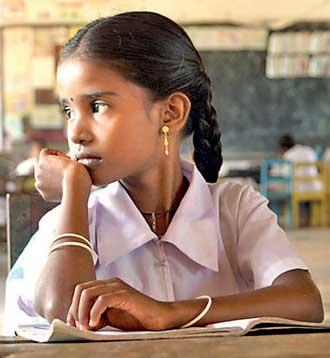
Education is more than just learning—it’s the foundation of unity and understanding |
Lanka, establishing a society rooted in respect, inclusivity and unity.
Education’s Current State and Impact on Social Integrity
Sri Lanka’s education system has made commendable progress in achieving literacy and universal access to schooling. However, the system’s structure, including language and religion-based segregation of schools and curricula emphasizing ethnic identities over national unity, has often contributed to social division rather than harmony.
Many Sri Lankan schools operate based on the medium of instruction, Sinhala, Tamil, or English, resulting in limited interaction between students from different ethnic backgrounds. This linguistic segregation restricts opportunities for intercultural dialogue, creating an environment where prejudices can flourish. Furthermore, historical narratives in textbooks have sometimes been presented from a biased perspective, failing to acknowledge the contributions and experiences of all ethnic groups. Such omissions can create deep-rooted misunderstandings and hinder reconciliation. Another challenge lies in the disparities between urban and rural education and the socio-economic differences affecting students’ access to quality education. Schools in underprivileged areas often lack resources, while elite institutions offer better facilities and opportunities, widening the social divide. This division is prevalent in the capital city as well. Addressing these inequalities is crucial to ensuring education serves as a unifying rather than a divisive force.
Curriculum and Pedagogical Reforms to Promote Social Cohesion
A well-structured curriculum can transform the perception of students on society and instill values of unity and social responsibility. To foster social integrity, Sri Lanka’s education system must undergo a meaningful transformation, incorporating inclusive curricula and innovative pedagogical practices.
Inclusive History and Social Studies Education
A balanced approach to teaching history, acknowledging the diverse narratives of all ethnic and religious communities, can foster a broader understanding within a diverse society. Materials should be revised to present an unbiased, comprehensive, realistic account of Sri Lanka’s history, celebrating its pluralistic heritage while openly acknowledging past conflicts with a focus on reconciliation and peace-building.
Bilingual and Multilingual Education
Encouraging bilingual education from formative ages can bridge the linguistic and cultural divide. Introducing bilingual programmes, where children are exposed to both Sinhala and Tamil alongside English, can facilitate better communication and foster mutual understanding. Schools should encourage students to learn the language of the ‘other’ community, breaking down barriers and stereotypes created by linguistic segregation.
Civic Education and Moral Development
Integrating civic education can promote a sense of national identity and collective responsibility within society. Lessons on democratic values, human rights, and ethical conduct can prepare students to become responsible citizens who respect diversity. Moral education should emphasise values like kindness, honesty, and respect for all communities, reinforcing the foundations of social integrity.
Promoting Intercultural Dialogue and Activities
Schools should actively and meaningfully promote intercultural exchange programmes, group projects, and collaborative learning opportunities where students from different ethnic and religious backgrounds interact. Celebrating cultural festivals together, organizing peace-building workshops, and engaging in community service projects can foster friendships across ethnic lines and nurture a shared sense of belonging.
Teacher Training and Educational Leadership
Teachers play a crucial role in shaping students’ attitudes and perspectives. Comprehensive teacher training programmes should equip educators with the knowledge and skills necessary to promote inclusivity and social harmony in classrooms.
Diversity and Sensitivity Training
Teachers should be trained to recognise and challenge biases, create inclusive classroom environments, and mediate conflicts constructively. Sensitivity Training can help educators address discrimination and promote respectful discussions on cultural and religious differences.
Critical Thinking and Open Dialogue
Encouraging critical thinking empowers students to question stereotypes, analyze different perspectives, and develop informed opinions. Classrooms should provide a safe space for open discussions on social issues, fostering a culture of dialogue rather than division.
Multicultural Initiatives in Higher Education Institutes
Universities should implement multicultural programmes encouraging discussions on identity, nationalism, and social justice. Promoting student exchange programmes between different provinces and universities can enhance cross-cultural understanding.
Equal Access to Education
Expanding scholarship programmes and financial aid for underprivileged students can bridge economic disparities and create a more inclusive higher education system. Ensuring access to quality education for students from all communities contributes to a more equitable and unified society.
Digital Literacy and Responsible Media Consumption
Educating students on digital literacy and responsible media consumption helps combat misinformation and hate speech. Encouraging constructive online discussions can counter divisive rhetoric and promote positive social engagement.
E-learning Platforms for Intercultural Learning
Virtual classrooms and e-learning modules that bring together students from different ethnic and geographic backgrounds can facilitate intercultural learning. Interactive educational programmes focusing on diversity, human rights, and peace-building can further strengthen social integrity.
Education holds the key to enhancing social integrity in Sri Lanka, fostering a society valuing diversity, equity, and unity. By reforming curricula, promoting bilingual education, enhancing teacher training, and integrating technology, Sri Lanka can harness the power of education to build a future where all citizens coexist harmoniously. As the nation moves forward, prioritising education as a tool for peace-building and national unity will be instrumental in shaping a more inclusive and resilient society. This vision for unity through education must be embraced by policymakers, educators, and communities alike, ensuring future generations inherit a Sri Lanka where integrity, mutual respect, and social harmony thrive forever.
This writer is associated with the SLIIT campus in Malabe.