Reply To:
Name - Reply Comment
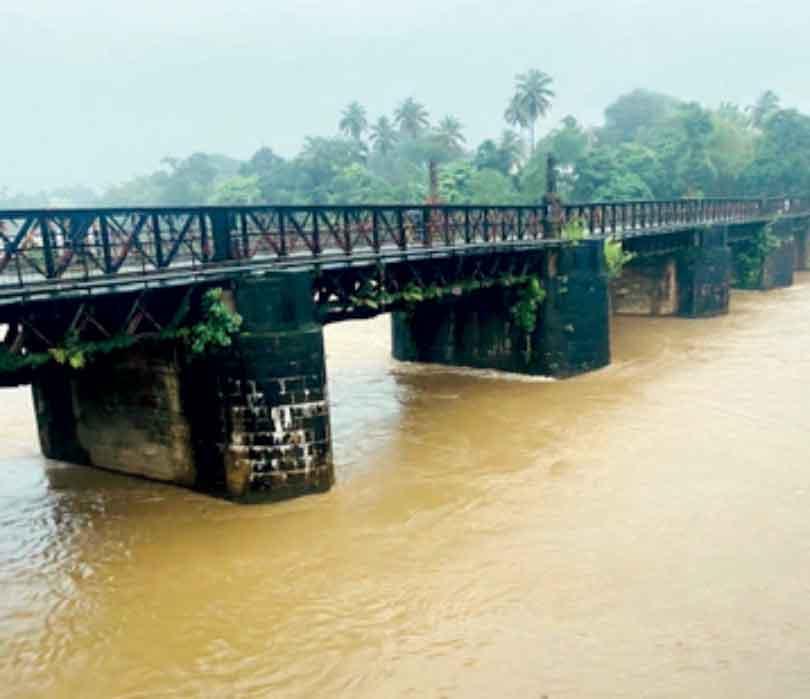
The recent storm that devastated large parts of the country through floods and landslides also exposed an uncomfortable truth we have long chosen to ignore—the alarming level of pollution in our rivers, streams, and brooks caused by polythene and plastic waste.
As floodwaters rose, carrying debris downstream, the extent of this pollution became starkly visible. A striking image from the Mahaweli River bank near Katugastota shows polythene waste tangled high up on a tree, clearly marking a water level nearly 20 feet above the surrounding land. This single image tells a larger story of how our waterways have been reduced to conduits for plastic waste.
During the storm, tons upon tons of polythene and plastic waste were swept along major rivers, much of it inevitably ending up in the sea. What is normally hidden beneath calm waters was laid bare by the force of nature, offering us a rare and sobering glimpse of the consequences of years of neglect.
If there is a silver lining in the dark clouds that loomed over us during this disaster, it is this powerful warning. Both the public and the authorities must seize this moment to take immediate and meaningful action to manage polythene and plastic waste. Strong enforcement, better waste management systems, and a genuine change in public attitudes are no longer optional—they are urgent necessities.
Nature has once again sent us a message. Whether we choose to listen will determine the state of our environment for generations to come.
- Upali Weerasinghe