Reply To:
Name - Reply Comment

 Harith Kumarasinghe, an animator who owns a studio in Colombo explained that despite having talented animators here, the market in Sri Lanka is extremely low. He added that Sri Lanka hasn’t yet identified the value of this field. “Animators here create content for the international crowd. Most places that offer educational courses on animation don’t have proper coordination or effective completion,” he said.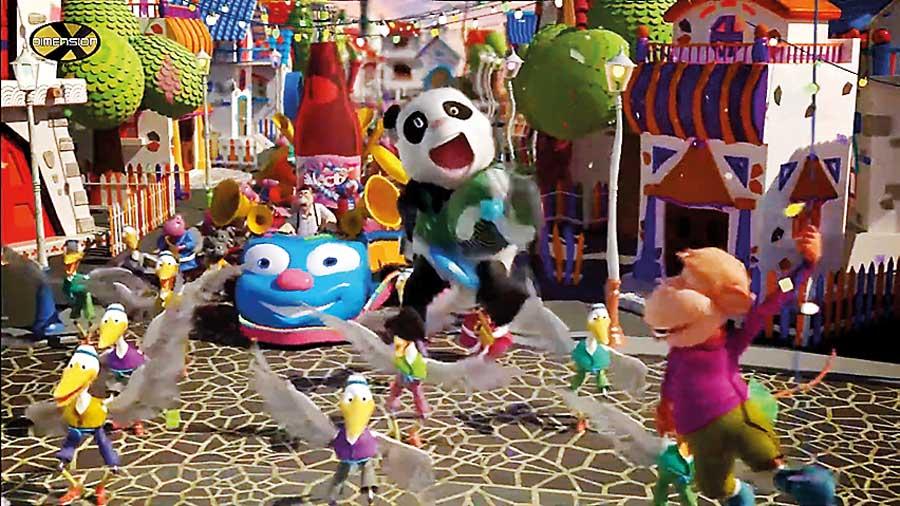
 Prabodha Elangasinha, an animator and director who had been working in this field since 1995 said that many people who do animation aren’t properly educated. He explained that animators and cartoonists shouldn’t just be computer operators but also artists. He mentioned that there are several skilled artists in Sri Lanka but there aren’t any places that teach animation to students to a top quality standard and only the basic skills are given. Prabodha noted that they haven’t received a deep understanding, especially when it comes to 3D animation such as 3D modelling, character modelling, character animation, rigging and body movements.
 "If we get the necessary support to produce quality animations, then our animation field will rapidly develop, together with the talented creators in our country,” said Harith Kumarasinghe, an animator who owns a studio in Colombo"
 time to do this work. They want overnight services and aren’t aware that it is impossible. And if they can’t do it quickly, they withdraw or turn to simpler projects.” He explained that it’s rather difficult for artists to maintain staff because of the scarcity of local work. “There aren’t many discounted prices for certain software in our region and much of them aren’t affordable.” Prabodha also mentioned that they don’t have many agents in Sri Lanka and that they would like to have the knowledge on the guidelines that foreign animators use and how they utilise their infrastructure, stressing that it would help them to proceed to the next level.
 Firoze Farook, animator and business owner, observed that the biggest challenge he sees is hiring new talent. Most educational institutions for animation are not giving the necessary industrial experience, Farook said. He believes the solution for this is to hire a few people from the industry to give these students proper lectures and training, or else put those people as interns to work. He requested proper scholarships for animation students in our country, for them to go abroad, study animation and come back here, to develop this field and widen the opportunities and their scope of skills. “We can stop this brain drain or at least give a scholarship with conditions where one has to work here for a certain period of time before migrating. If we do so this field in our country will improve very quickly,” Farook said. He pointed out that most of the skilled animators who do freelance work online for international services, don’t want to work for local clients mainly because they don’t pay on time. Firoze also stressed on the importance of exposure and collective unity in this industry being other vital reasons behind the growth of this field.
 "Even the few private institutions in Sri Lanka that offer animation courses are too expensive and they can’t afford them. They believe that these fields, when developed, can become huge profit earning industries and also increase much needed job opportunities"
"We can stop this brain drain or at least give a scholarship with conditions where one has to work here for a certain period of time before migrating. If we do so this field in our country will improve very quickly"