Reply To:
Name - Reply Comment
 Crises, whether natural or manmade, are historically destructive events that paradoxically offer societies a radical opportunity to leapfrog traditional development cycles. When managed with strategic foresight, the aftermath of a catastrophe can catalyse national transformation. In Sri Lanka, the collective memory is defined by monumental disruptions: the 2004 Indian Ocean Tsunami, the devastating 2025 Cyclone Ditwah, and the ongoing geopolitical instability reshaping the Middle East. While these crises inflict immense human suffering and tragic loss of life, they simultaneously shatter outdated systems. Ultimately, they clear a path for unprecedented institutional and structural rejuvenation.
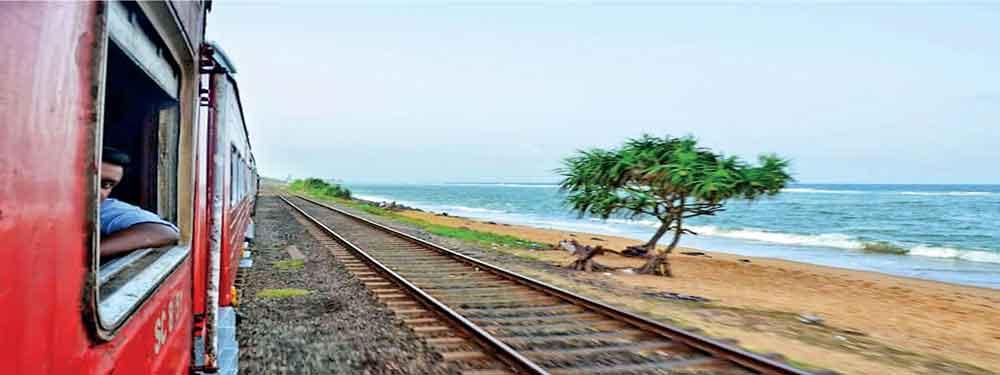
In the aftermath of the 2004 Tsunami, Sri Lanka’s most critical missed opportunity was the failure to modernise its southwestern transit corridors. For a brief window, the absolute destruction of coastal properties created a unique opening to expand the A2 highway into a four-lane dual carriageway and to dual-track and electrify the Southern Coastal Railway all the way to Hambantota. Displaced landowners, uncertain of the future, were highly receptive to relocation and state buyouts. Had the government acted swiftly, land acquisition would have been vastly simplified. This strategy would have secured vital transit infrastructure while preserving essential coastal ecosystems as natural buffers against future disasters.
Integrating resilient road and rail networks along the coast would have served a dual purpose: mitigating future tsunami risks and forming a structural barrier against marine pollution. This layout would have preserved pristine beachfronts, vastly boosting the country’s premium marine tourism potential. Regrettably, this opportunity was completely overlooked. Today, the western coastline has relapsed into pre-tsunami conditions, cluttered once again with unauthorised constructions and unchecked pollution sources. Furthermore, despite the Southern Coastal Line possessing some of the straightest geometry in the national rail network, it remains one of the slowest main lines. Severe track degradation from sea-spray corrosion, obsolete manual signalling, and frequent locomotive breakdowns continue to cripple its operational efficiency.
While Cyclone Ditwah left a catastrophic trail of destruction across the island, its severe impact on the upcountry Main Line presents a rare opportunity for radical structural modernisation. The Sri Lanka Railways department deserves immense credit for its rapid, phased restoration efforts to date. However, simple repairs should not overshadow long-term ambition; this crisis offers the perfect window to overhaul outdated tracks and signalling networks. Upgrading this corridor—with or without immediate electrification—would allow the country to adopt tilt-train technology, aligning with Indian Railways’ upcoming initiative to introduce tilting Vande Bharat[1] fleets. Sri Lanka can launch this transformation progressively, starting with a single pilot trainset and expanding the fleet as passenger revenues scale up.
Amid the deepening energy shocks triggered by the Middle East crisis, the state’s push to curb its dependency on volatile fossil fuels is a vital step toward long-term consumer affordability. Following the sweeping unbundling of the Ceylon Electricity Board (CEB) under the Sri Lanka Electricity Act No. 36 of 2024[2], the newly independent National System Operator (Pvt) Limited (NSO) is aggressively modernising the national grid. The NSO’s immediate challenge is upgrading transmission infrastructure to integrate a rapidly growing share of renewable energy. Central to this stabilizing effort is the deployment of utility-scale Battery Energy Storage Systems (BESS), which are critical to absorbing intermittent green power and guaranteeing grid reliability during peak demand.
Paradoxically, while the state advocates for renewable energy, its recent procurement of 600 diesel-powered internal combustion intercity buses represents a severe policy regression. If the administration genuinely intends to deliver cost-effective, sustainable transport to rural sectors, this decision must be immediately re-evaluated in favor of electric bus networks. Even a phased rollout—deploying an initial electric fleet as a foundational baseline—would safeguard future scalability. Much like the fleeting windows presented by the 2004 Tsunami, the disruptions of Cyclone Ditwah and the Middle East conflict are highly time-sensitive. Capitalising on these crises requires swift executive action, coupled with transparent public communication to secure the societal buy-in necessary for long-term project sustainability.
Roshanga Wickremesinghe is the author of “How Small Countries Can Compete and Grow - A Case for Sri Lanka”. He is the founder of Think Tank Lanka (Pvt) Ltd. – a Strategy think tank and R & R Associates Consulting, a sector-independent Strategy Consulting practice.