Reply To:
Name - Reply Comment
 A few days ago, the quiet village of ‘Ihala Kotte’ found itself unexpectedly in the news, a landslide and train derailment briefly breaking the stillness of this hillside hamlet. Even now, train services along the upcountry line remain delayed as repairs continue, a reminder of how fragile this century-old engineering marvel can be against the moods of the mountain.
Yet beyond that fleeting headline lies a place steeped in history and natural drama. Tucked near Tunnel No. 5A on the Colombo–Kandy railway line, ‘Ihala Kotte’ is where engineering meets endurance, a story carved into the granite heart of Alagalla Rock more than a century ago.
Long before it became the site of a modern railway episode, ‘Ihala Kotte’ was already etched into the island’s transport history. Located near Walagoda in Mawanella, this small station guards the entrance from upper side to one of the most fascinating feats of early railway construction. The now-famous Tunnel No. 5A, often called the ‘Ihala Kotte Tunnel’, was completed in 1906 after a disastrous experiment to build the track along the southern slope of Alagalla rock failed. The 1,400-foot section of track was repeatedly destroyed by the storm from ‘Meeyan Ella Falls’, forcing engineers to attempt the impossible to bore straight through the rock instead, to create a safer route.
Today, this is the second-longest upcountry line railway tunnel in Sri Lanka, surpassed only by the ‘Singimale Tunnel’, which stretches 1,865 feet (558 metres). But ‘Nakuttiya Tunnel’ also known as the ‘Kekanadura Tunnel’ too on the new Matara–Beliatta railway line, at 2,018 feet (615 metres), is the longest tunnel in Sri Lanka.
It’s easy to oversight ‘Ihala Kotte’ on the map, a sleepy village tucked between the lush hills that rise beyond Rambukkana and Mawanella. But pause here and the past begins to speak. The rock faces still bear the marks of the drilling that began in 1905; 400 metres of railway tunnel still echo with the hum of trains travelling the same path carved by hand and dynamite more than a century ago.
Around it, the landscape remains as dramatic as ever, waterfalls, mist-draped hills and the quiet rhythm of village life that continues just beyond the tracks.
The ‘Ihala Kotte Tunnel’ and its abandoned railway line outside have quietly become one of the newest attractions for both local and foreign adventure travellers. Hidden among the massive rocks near Walagoda, the site combines history, engineering and a touch of mystery, a place where the past still hums beneath the sound of passing trains.
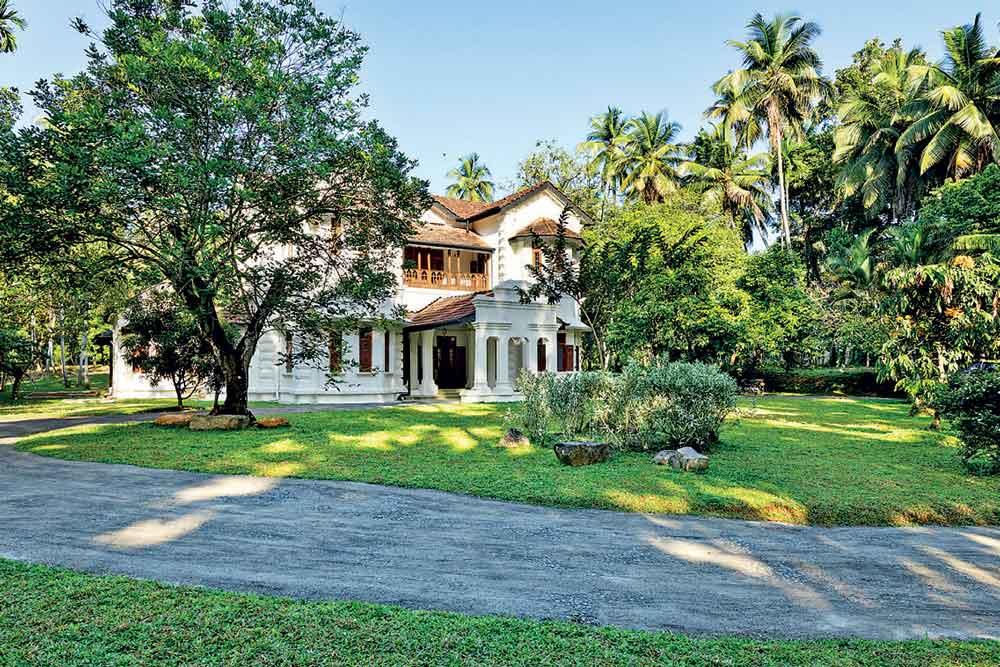
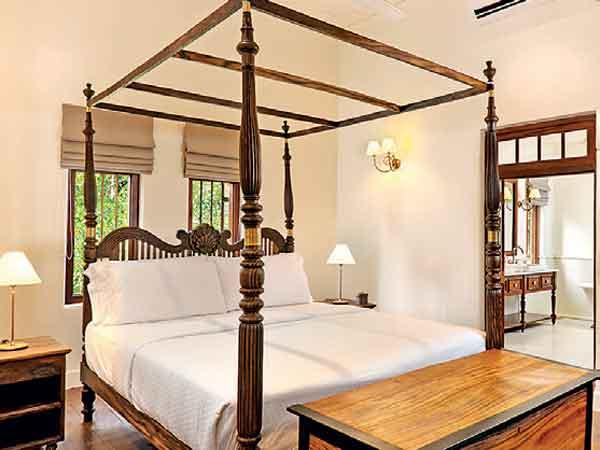
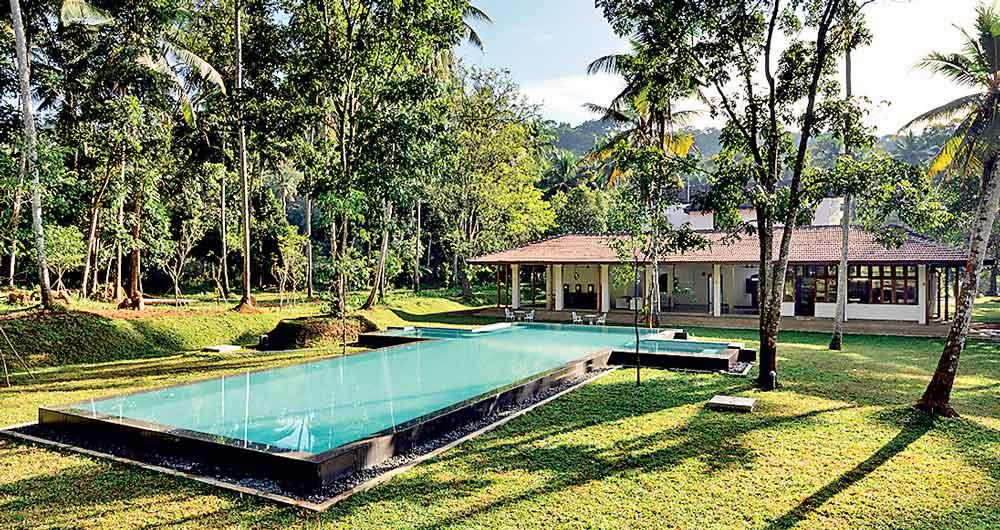
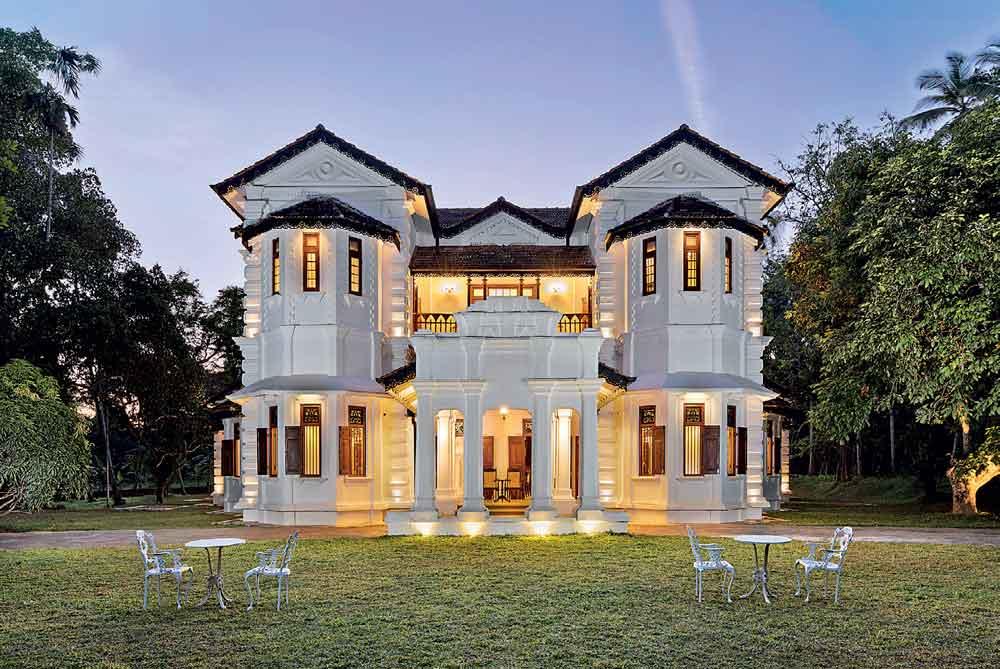
This latest attraction in ‘Ihala Kotte’ was initiated by ‘Jetwing Wahawa Walauwa’, a restored 19th-century mansion in the heart of Wahawa village in Rambukkana. Built in the 1870s as a private residence, the Walauwa was transformed into a six-suite boutique villa in February 2025 under Jetwing Management. The property features four Grand Suites, two on the upper level and two on the ground floor, along with two Junior Suites, blending colonial charm with modern comfort. Guests at the Walauwa can now include a guided visit to the Ihala Kotte Tunnel as part of their stay, offering a glimpse into the region’s railway heritage and natural beauty.
 |
| Nuwan Thennakoon - Bungalow Manager |
One of the most fascinating moments for visitors comes about 75 metres into the tunnel, where a large opening on the left-hand rock wall reveals a sheer drop to the valley outside. According to local accounts, this hole was originally used to dispose of rubble during the tunnel’s excavation in the early 1900s. Today, it serves a more welcoming purpose, offering a burst of daylight and a breath of cool air for those making their way through the darkness.
‘For those wishing to explore the tunnel, caution is essential. Always speak with the railway staff at ‘Ihala Kotte’ Station to confirm the latest train schedules before entering. At 400 metres in length, a chance encounter with a train inside could have serious, even fatal, consequences. Preparedness and timing are everything here, but for those who plan wisely, the experience is both thrilling and unforgettable’ explained Nuwan Thennakoon, the Bungalow Manger.
Guests can also enjoy a range of lesser-known yet scenic hikes through the surrounding countryside, discovering tranquil forest paths, ancient temples, and sweeping mountain views. The region is dotted with historical landmarks such as Balana Fort, the striking Bible Rock (Bathalegala), and the picturesque valley below, each carrying its own story and architectural charm.
Among the spiritual and historical sites, the Sangaraja Lena, a small cave where Welivita Sri Saranankara Thero once lived in seclusion, while mastering the Pali language, stands out for its quiet reverence. Nearby, the Deliwala Kota Vehera, an ancient stupa site, glows softly in the afternoon light, echoing centuries of devotion.
Local villages offer visitors a chance to experience traditional Sri Lankan life firsthand, from watching artisans at work and learning age-old craft techniques, to joining local festivals that fill the air with colour, rhythm and community spirit.
For those with more time, the ancient capitals of Dambadeniya, Panduwasnuwara and Yapahuwa are only a few hours’ drive from Jetwing Wahawa Walauwa, offering glimpses of Sri Lanka’s medieval heritage. Closer to Rambukkana, the Pinnawala Elephant Orphanage and Balana Fort remain enduring favourites among both local and foreign visitors.
Pix by Sanath Weerasuriya
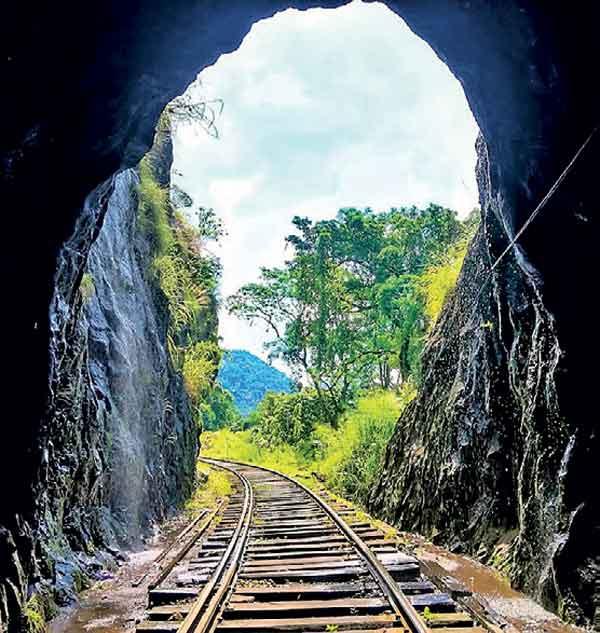
Ihala Kotte Tunnel
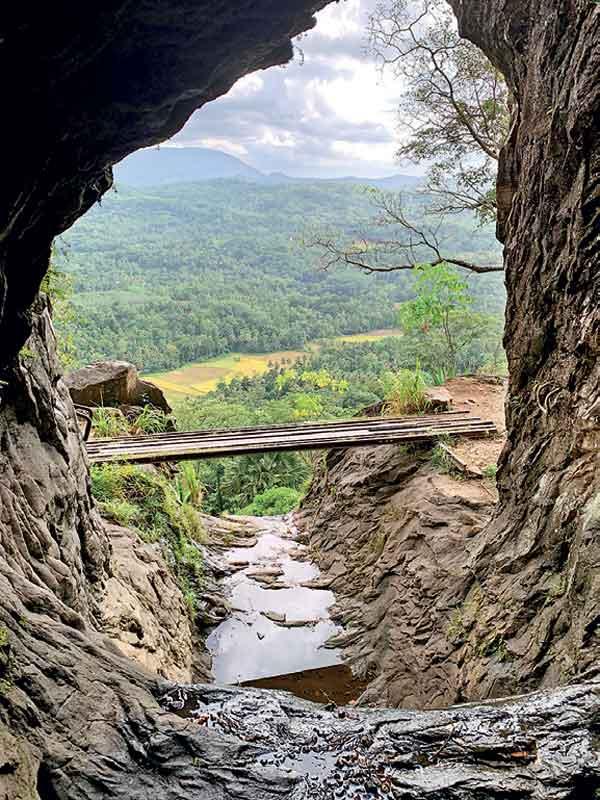
Opening on rock wall
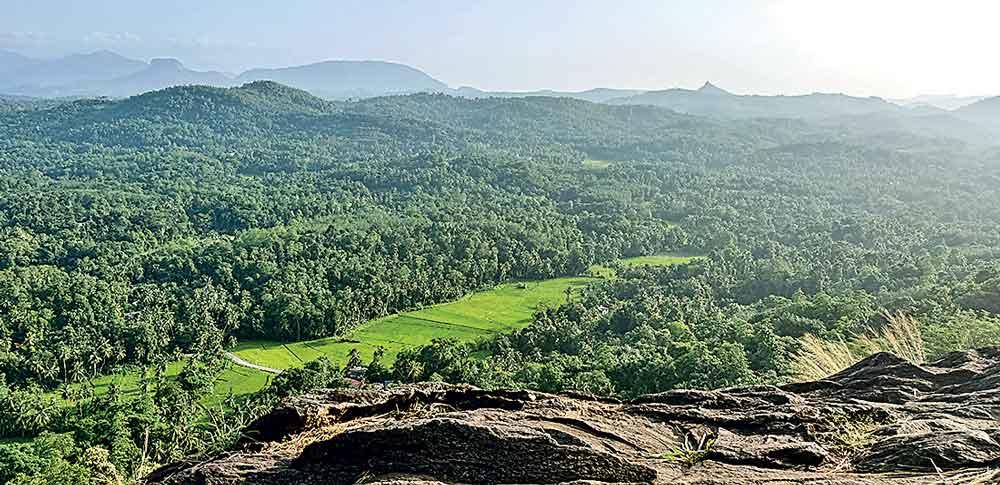
Trekking up to Alagalla rock