Reply To:
Name - Reply Comment
 Tucked between the legendary leopard territory of Yala and the serene wilderness of elephant roaming Lunugamvehera, Weerawila sits at the heart of Sri Lanka’s Deep South—perfectly placed for those chasing adventure, wildlife and wonder.
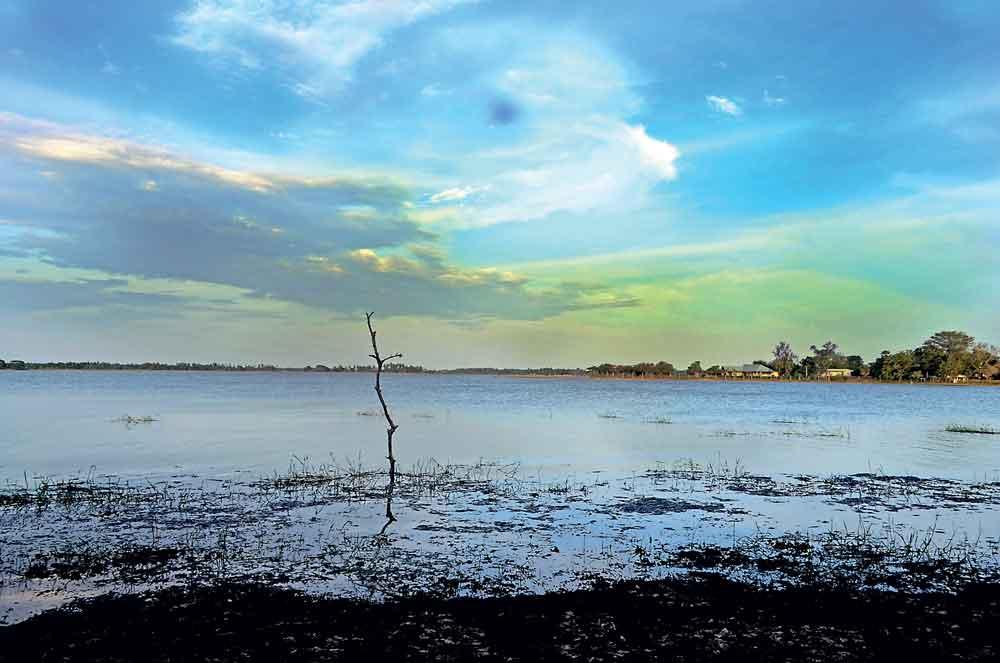
Though still flying under the radar of mainstream tourism, Weerawila has quietly emerged as a hidden gem in Ruhuna. The tranquil beauty of Weerawila Lake, teeming with vibrant birdlife, now draws hundreds of nature lovers and adventure seekers eager to explore this unspoiled corner of the Deep South. This magnificent lake lies along the iconic A2 highway, popularly known as Galle Road—but far beyond the bustling towns of Galle and even Tangalle, deep into the serene southern wilderness.
Weerawila Lake is the sparkling heart of this peaceful southern hamlet, drawing travellers to a cluster of charming resorts nestled close to Debarawewa and Tissamaharama. More than just a scenic spot, the area is a haven for nature lovers—surrounded by bird sanctuaries and some of Sri Lanka’s most celebrated wildlife parks, including Bundala and Lunugamvehera.
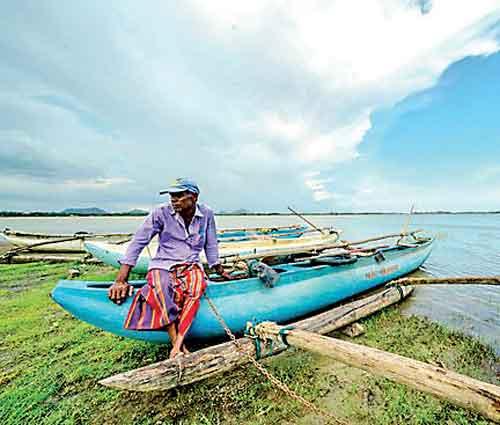
Visitors to Weerawila are treated to an authentic slice of village life, untouched by the rush of urban development. Here, the rhythm of daily living flows with the gentle pace of a traditional fishing village—serene, genuine and unspoiled.
Fast becoming a convenient base for Yala safari-goers, Weerawila offers more than proximity to adventure—it offers harmony of nature. If you’re seeking a slower, more reflective experience, a boat ride on the tranquil lake is not to be missed. At dawn, the lake glows beneath a golden sky, the perfect time to witness nature in its quiet majesty. Each day, the local fisherfolk haul in a bounty of giant prawns, hefty lake crabs, and freshwater fish from the shimmering waters of Weerawila Lake. With characteristic warmth, they often welcome curious travellers to join their early-morning fishing trips—an unforgettable hands-on glimpse into their way of life.
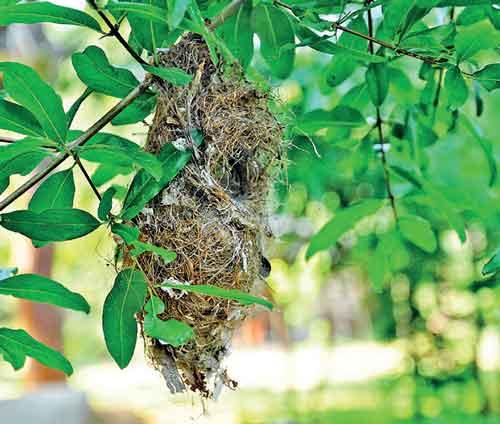
The Weerawila Bird Sanctuary, born from a causeway that slices across the expansive Weerawila Wewa, has blossomed into a paradise for both birds and bird watchers alike. This unique wetland ecosystem offers ideal nesting grounds for a wide range of avian species, making it a haven for ornithologists and nature lovers from around the globe.
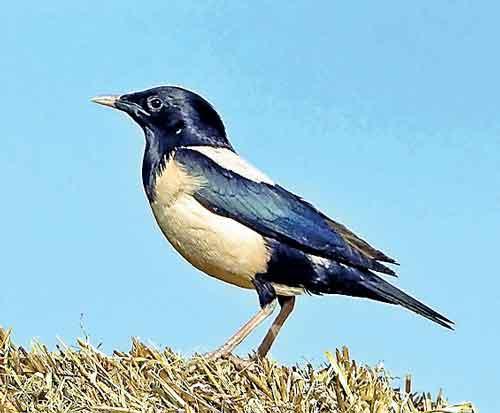
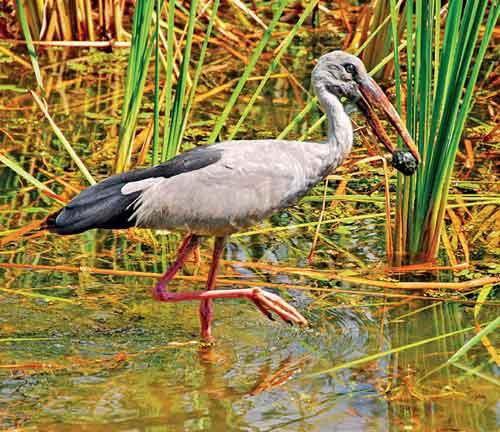
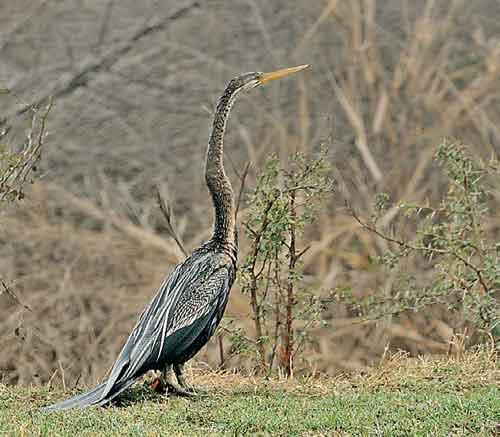
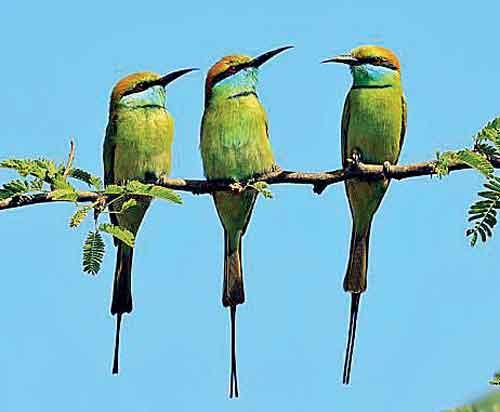
Among the sanctuary’s feathery residents is the vibrant little green bee-eater—widely distributed across Asia and known for its seasonal wanderings despite being a resident species. The Rosy Starling, a winter migrant, arrives from temperate regions to spend the colder months in tropical Asia, adding a splash of color to the already vivid landscape. The elegant Indian darter, also known as the Oriental darter, is a skilled fisher often seen gliding through water with just its slender neck and pointed bill above the surface. Another fascinating resident is the Asian open-bill stork, a large wading bird native to South and Southeast Asia. These storks, though typically sedentary, move in response to shifting weather patterns and food sources.
Beyond these, the sanctuary is alive with countless other bird species—each a delight to discover. For both seasoned birders and curious first-timers, Weerawila offers a rich and rewarding experience of avifaunal diversity in a setting of serene natural beauty.
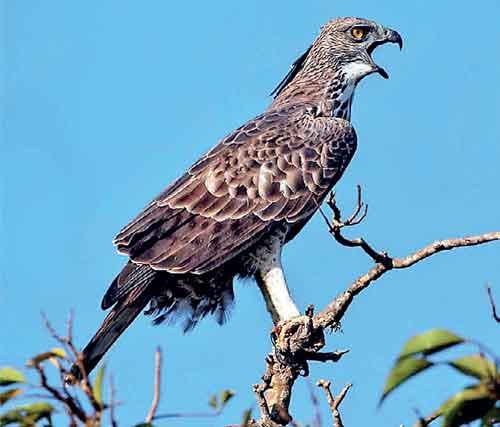
No visit to Weerawila is complete without exploring its rich natural and cultural surroundings. The Weerawila Bird Sanctuary and the nearby Bundala National Park offer exceptional birdwatching opportunities—so don’t forget to pack a good pair of binoculars. Keep an eye out for striking species like the Black-headed Ibis, Crested Serpent Eagle, Rosy Starling, Large Egret, and the Red-wattled Lapwing, all of which add vibrant life to the skies and wetlands.
Beyond birdlife, Weerawila is perfectly positioned as a gateway to many of the Deep South’s top attractions. Just a short drive away are the famed Yala and Lunugamvehera National Parks, as well as the Ridiyagama Safari Park and the Dry Zone Botanical Garden. For those interested in local industry and natural landscapes, the Palatupana Salterns offer a unique experience.
History and spirituality are also close at hand with visits to Tissa Wewa, the ancient Yatala Vehera, Tissamaharama Dagoba and the sacred city of Kataragama, home to Kirivehera and the revered Kataragama shrine. For those drawn to off-the-beaten-path experiences, Sithulpawwa Monastery, the Kalametiya Bird Sanctuary and the famed Uda Walawe National Park offer further exploration and adventure.
Pix by Shan Bandu
Weerasinghe