Reply To:
Name - Reply Comment
 Q Why has the street dog population persisted, despite decades of efforts to control it?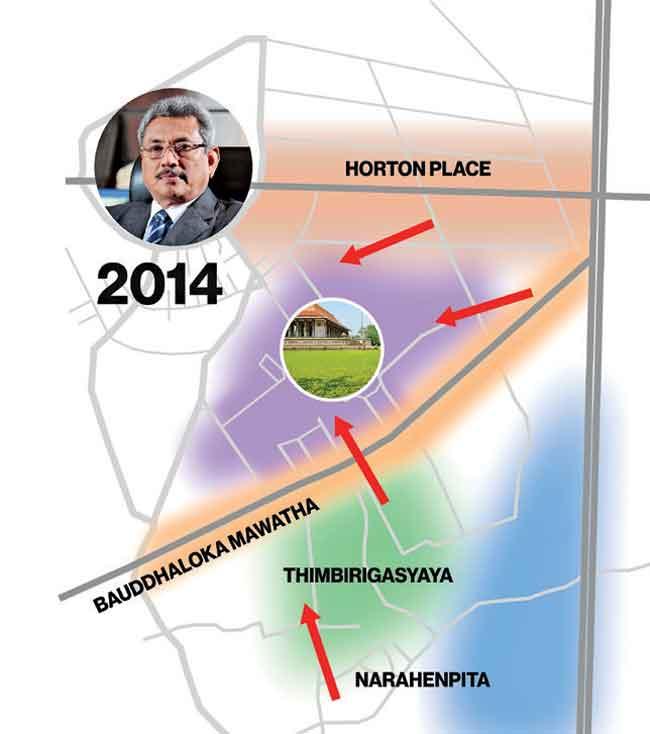
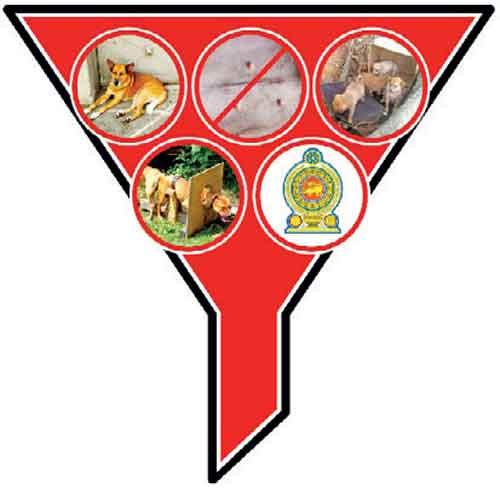
DOGS ARE KEPT OUTDOORS

In the West, dogs live indoors as members of the family
In the West, dogs live indoors as integral members of the family, participating in birthdays, social media updates, and watching evening TV together. They receive dedicated care, from special diets to regular checkups at the vet. The relationship is emotional.
In Sri Lanka (and India), the concept of pet ownership is entirely different among the mainstream mass of the population. Here, dogs are kept outdoors (usually outside the front gate) and fed leftovers in exchange for guarding the home or property. The relationship is transactional; it fulfils a specific need with little emotional connection.
For example, a survey found that 46% of the dogs roaming the streets in the Colombo Municipal Council area were ‘owned’ by households. Crucially, the majority of these dogs are unsterilized, leading to the next causal factor in our supply funnel.

In Sri Lanka, dogs are generally kept outdoors
MANY BELIEVE STERILIZATION IS A SIN
Many Buddhists believe sterilization violates the First Precept (which forbids the harming or killing of any living being) and generates negative karma, affecting their rebirth and spiritual progress in the next life.
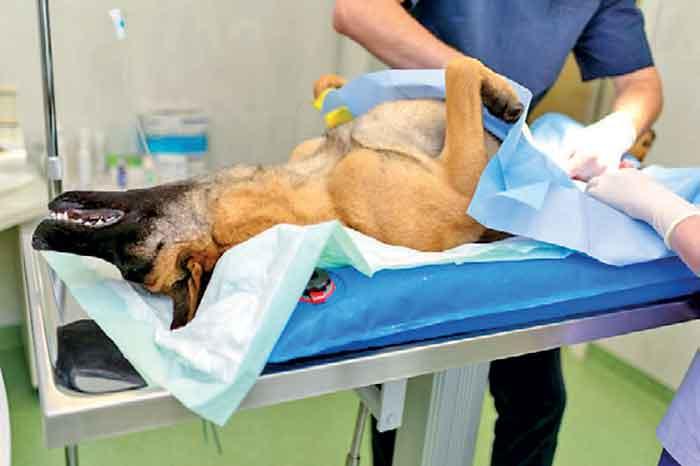
In the West, dogs are routinely sterilized
A closely related belief is that animals are living out their karma, and interfering with the natural cycle of life, especially through sterilization, is spiritually improper. Because of these religious convictions, many vets refuse to euthanize even severely ill or injured animals.
The consequences are far-reaching, with even well-intentioned dog owners unknowingly contributing to the street dog population over time.
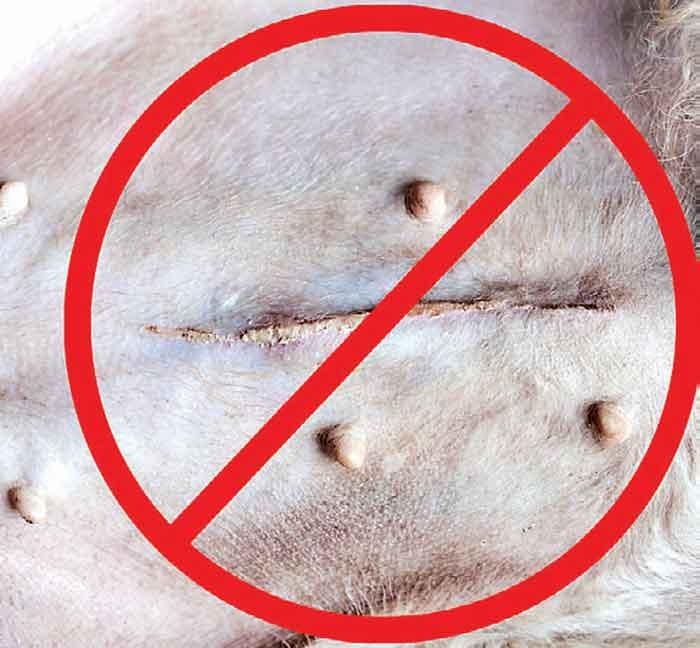
In Sri Lanka, dogs are rarely sterilized
DOGS ARE REGULARLY ‘DUMPED’
Dogs reproduce rapidly unless they are sterilized. A female can have two litters of 6–9 puppies each year; an unsterilized female and male can produce 80–90 offspring over their lifetimes.
“Dogs reproduce faster than they can be killed or removed from the streets”

Without sterilization, new puppies keep entering the streets
We’ve all seen cardboard boxes of puppies (or a lactating mother dog) dumped in temples, markets, or by the roadside. This continuous supply flow ensures that even as some puppies are rescued, adopted, or die off, new unsterilized dogs constantly enter the streets, keeping overall numbers high.
THE BREEDING INDUSTRY IS UNREGULATED
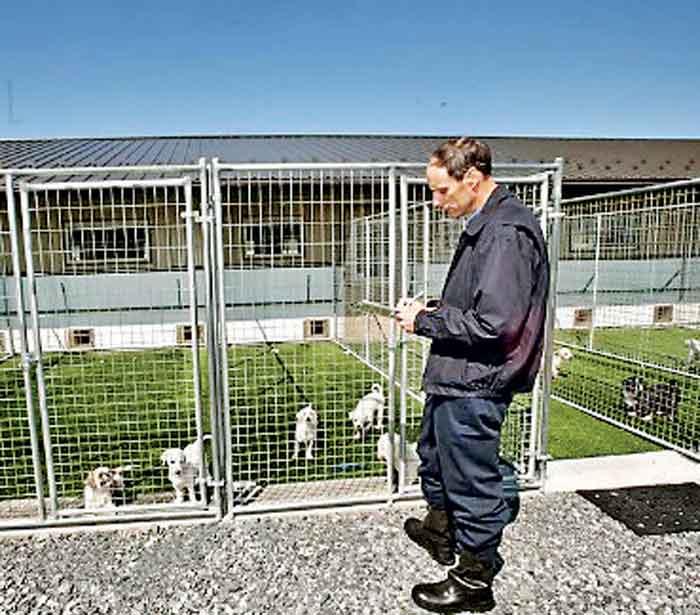
In the West, dog breeders require licenses and their facilities inspected
People either adopt (often male) puppies from the street or buy purebred dogs, which are popular status symbols among the mainstream mass.
In countries like the UK and Germany, local authorities are responsible for issuing licenses and inspecting facilities. In Sri Lanka, the dog breeding industry is completely unregulated, with puppies raised in appalling conditions and sold cheaply.
Many purebreds also struggle to adapt in Sri Lanka’s tropical climate. Unsuspecting owners are quickly overwhelmed by the high cost of dietary and veterinary care, abandoning the dogs and adding yet more animals to the streets.
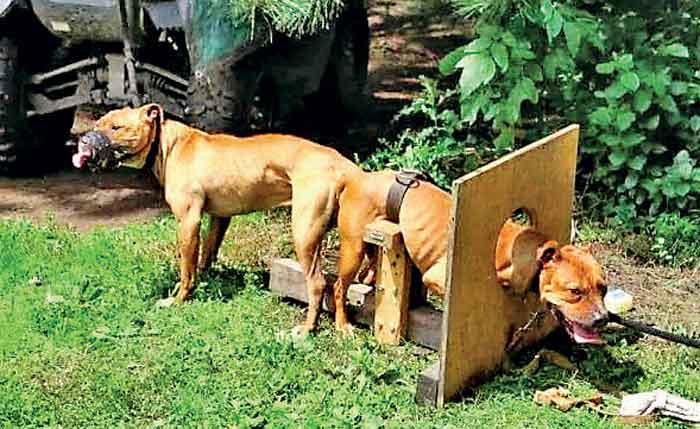
In Sri Lanka, dog breeding is completed unregulated
A PUBLIC PROBLEM WITHOUT A PUBLIC OWNER
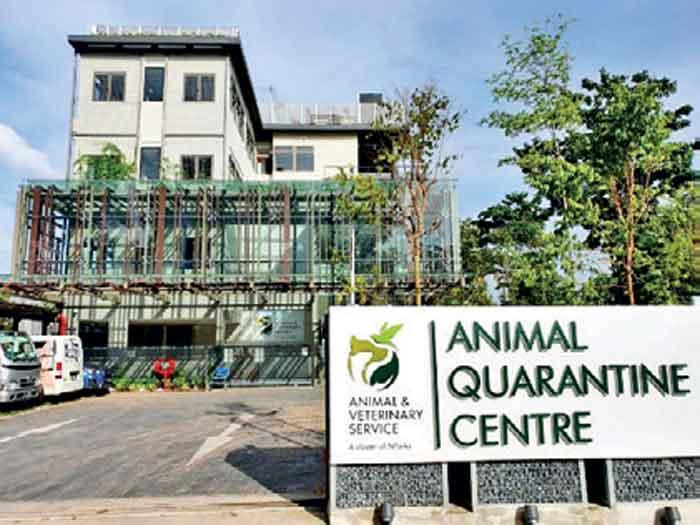
In other countries, dog sterilization is overseen by the national veterinary authority
President Mahinda Rajapaksa’s policy aimed to sterilize one million street dogs within five years, but the target was never achieved.
Why has Sri Lanka struggled to make progress, while countries like Singapore, Bhutan, and India have already succeeded or achieved impressive results?
Singapore’s nationwide sterilization programme was led by the Animal & Veterinary Service, Bhutan’s by the Department of Livestock, and India’s by the Department of Animal Husbandry. In each case, a single agency, the country’s veterinary authority, was empowered with regulatory authority.
In Sri Lanka, responsibility was divided between a lead agency, the Ministry of Health, and the Department of Animal Production & Health.
Predictably, the Ministry of Health’s focus on human health meant it had neither the scope, resources, or interest to address the issue beyond rabies. As a result, the two institutions were unable to develop and coordinate a proper strategy or allocate the resources to operationalize it. The programme collapsed in 2018.
In contrast, Singapore, Bhutan, and India have proven that the street dog population can be reduced and even eradicated in a matter of years with focus and intent.

In Sri Lanka, dog sterilization is the responsibility of the ministry for human health
Singapore launched its first nationwide programme in 2018, sterilizing 80% of its street dogs within one year (well above the WHO’s 70% threshold to achieve a decline in the overall street population). Bhutan became the first country in the world to sterilize 100% of its street dogs, completing a nationwide campaign between 2022 and 2023. As a result, the country’s street population is expected to reach zero by 2028/29.
In India, Vadodara sterilized 86% of its street dogs in just five years. This will permanently reduce the population by 80-90% by 2028/29. Lucknow’s city-wide programme commenced in 2019; by March 2025, it had sterilized over 84% of its street dogs, and now targets 90% by December 2025. The city’s street dog population is expected to reach near-zero by 2028/29.
BREAKING THE CYCLE REQUIRES LEADERSHIP
‘Catch and kill’ is a reactive approach that fails to reduce the street dog population. Because dogs breed faster than they can be destroyed, the vacant territory is quickly repopulated and the cycle repeats itself. Catch-Kill-Repopulate-Repeat.
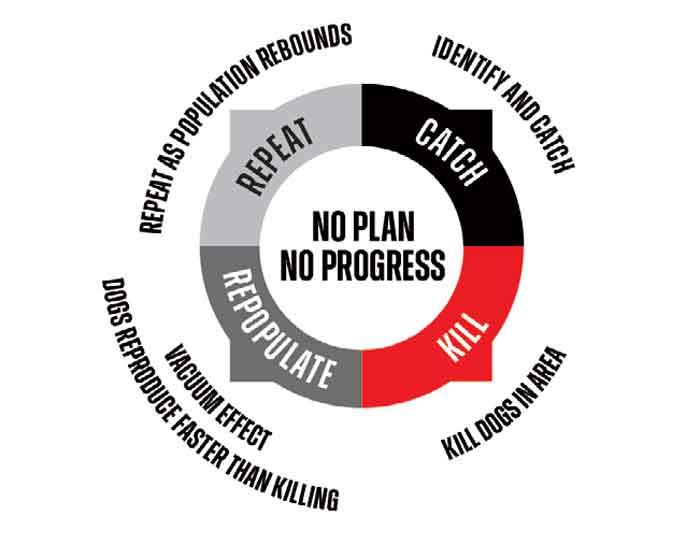
Catch-Kill-Repopulate-Repeat: No progress
Yet another failed approach, mass caging (also referred to as shelters), was introduced by President Gotabaya Rajapaksa. The dogs are caught and relocated, but because the supply funnel isn’t blocked off by sterilizations, the vacant territory is once again repopulated.
Sterilization is the only proven approach to permanently reduce the street dog population. The dogs are captured and sterilized, concurrently vaccinated for rabies, and thereafter returned to their original territory where they prevent new, unsterilized dogs from moving in (remember, dogs are territorial and migratory).
Street dogs have relatively short lifespans of 4–6 years, compared to household dogs who live for 12–15 years. With older dogs dying and sterilization stopping the birth of new puppies, the population steadily decreases. This approach tackles the cause (the dogs ability to reproduce) rather than the effect (dogs visible on the street).
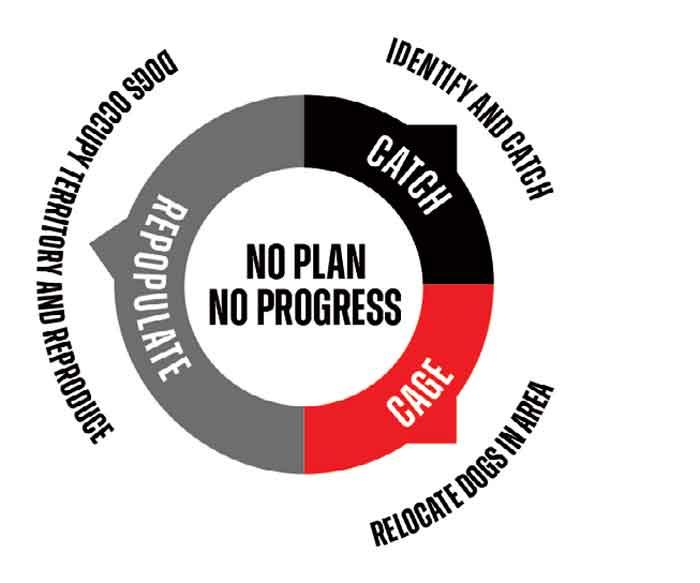
Catch-Cage-Repopulate: No progress
Past initiatives in Sri Lanka also offer a clear indication of what can be accomplished. In Colombo, a pilot collaboration between the Colombo Municipal Council and local and international animal welfare organizations between 2007 to 2012 successfully sterilized 80% of the city’s female dogs, reducing the growth rate from 18% per year in 2007 to 9% by 2012. Unfortunately, the initiative wasn’t sustained or scaled nationally by the government.
According to one leading veterinarian, the street dog population can be brought under control in just five years – the length of a single parliamentary term – by sterilizing 400,000 female dogs in the first two years and managing the population thereafter.
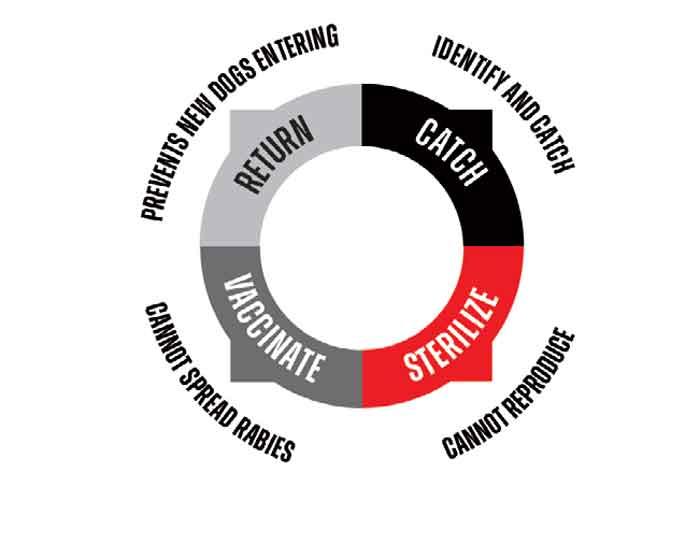
Catch-Sterilize-Vaccinate-Return: A plan that eradicates the street dog population
“The street dog population can be brought under control in just 5 years – the length of a single parliamentary term”
It is an achievable target, but only if policymakers make it a priority, as they did in Singapore, Bhutan, and India. Sri Lanka could then transform its kneejerk reactive responses into a proven, proactive approach that addresses the cause rather than the effect.
The dogs, and the communities who live alongside them, deserve no less.