Reply To:
Name - Reply Comment

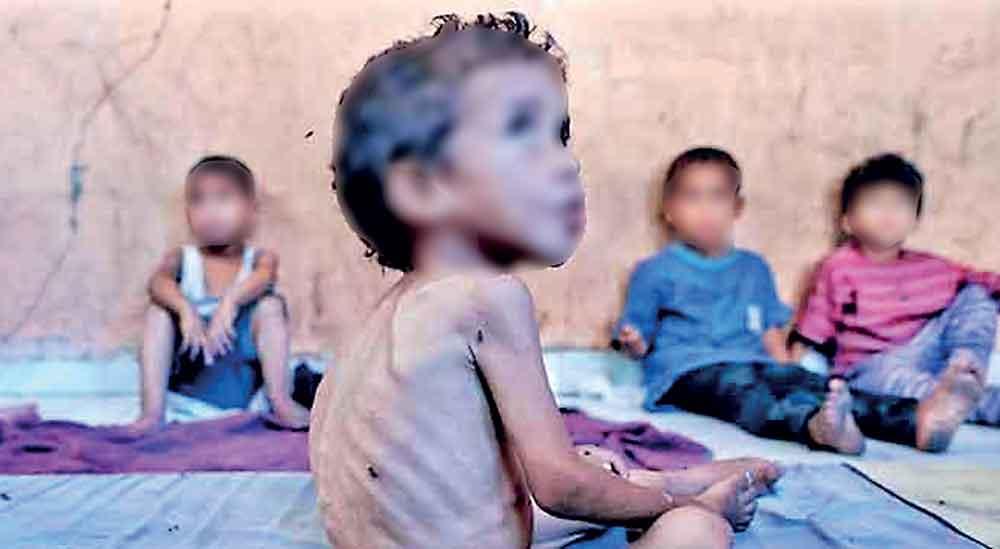
 About a week or so ago, I saw an Instagram post that hasn’t left me since. The last baby who died in Gaza at the point when I came across the post weighed less than she did when she was born.
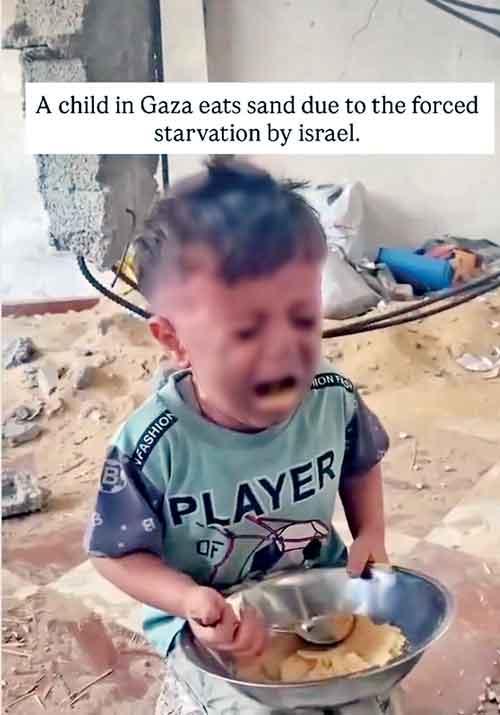
A few days later, another post: a video of a toddler in Gaza sobbing as he tried to eat sand because there was nothing else. No food. No aid. No way out.
I saw both of those in between a surprise proposal reel and a carousel of someone’s café-hopping Sunday. I did pause. I watched till the end. I felt something tighten, but then I kept scrolling. Gaza didn’t trend. It didn’t interrupt. It was there, then it wasn’t. And I’m not here to judge anyone for that, because I didn’t stop scrolling either.
It’s been nearly two years since Israel’s bombardment of Gaza began, following decades of systemic blockade and displacement. Thousands of people are dying not just from airstrikes but from starvation. Hospitals have no medicine. Aid is blocked. Entire bloodlines are disappearing. And yet, much of that horror rarely reaches our screens in the same way it once did.
Apathy, especially today, often masks something else: emotional fatigue, powerlessness, the paralysis of constant exposure.
There was a time when the genocide dominated timelines. Global protests surged. Social media feeds filled with infographics, flags, hashtags, and slogans. There were vigils, fundraisers, explainers, shared rage.
But somewhere between crisis fatigue, economic hardship, and the next wave of local drama, it faded. Not completely, but noticeably. The frequency slowed. The urgency blurred. The genocide was still happening. But the world was already scrolling past.
Why does apathy set in?
It’s easy to say we don’t care. But it’s rarely that simple. Apathy, especially today, often masks something else: emotional fatigue, powerlessness, the paralysis of constant exposure.
We live in an attention economy that isn’t built to hold space for grief. The more you see, the less you feel. Our brains, in their own way, protect us by tuning out. Psychologists call this compassion fatigue, when the volume of suffering becomes so loud, your empathy begins to shut down.
And then there’s the algorithm itself. Instagram and TikTok aren’t neutral platforms. They’re designed to reward engagement, not discomfort. If users linger longer on wedding videos than on war zones, the algorithm adapts. If a story about starvation gets swiped away, it’s shown to fewer people. The system isn’t broken. It’s doing exactly what it was built to do, maximise attention, not truth.
So what shows up in your feed isn’t a reflection of what matters. It’s a reflection of what performs. And genocide, it turns out, doesn’t perform well.
That doesn’t mean people have stopped caring. But the visibility has shifted. The urgency is dulled by repetition. The scale of loss becomes abstract. And when something feels like it will never end, we start to tune it out, not because we’re heartless, but because we’re overwhelmed. It’s not a failure of morality. It’s a failure of attention design. But the consequences are real.
We live in an attention economy that isn’t built to hold space for grief. The more you see, the less you feel. Our brains, in their own way, protect us by tuning out.
When cameras stop rolling, accountability weakens. When the audience disengages, pressure deflates. Silence doesn’t just happen, it’s shaped. And it creates space for atrocity to continue unchallenged.
So where does that leave us?
There’s no clear answer here. No checklist to follow. No perfect way to respond to unimaginable violence when you’re thousands of miles away, navigating your own daily chaos. But it’s worth asking what it means to live in a world where suffering can vanish with a swipe. Where a child eating sand gets the same screen time as a flatlay of brunch.
Because somewhere in Gaza right now, people are dying in ways that should be unignorable. And yet, we’re watching stories disappear, not just from feeds, but from focus.
This isn’t a call to action. It’s not about being louder or more visible or emotionally raw online. Maybe it’s just about sitting with that discomfort. Not rushing to mute it. Not letting horror become another kind of background noise.
There’s something powerful about attention. And something even more powerful about what we choose to withhold it from.