Reply To:
Name - Reply Comment
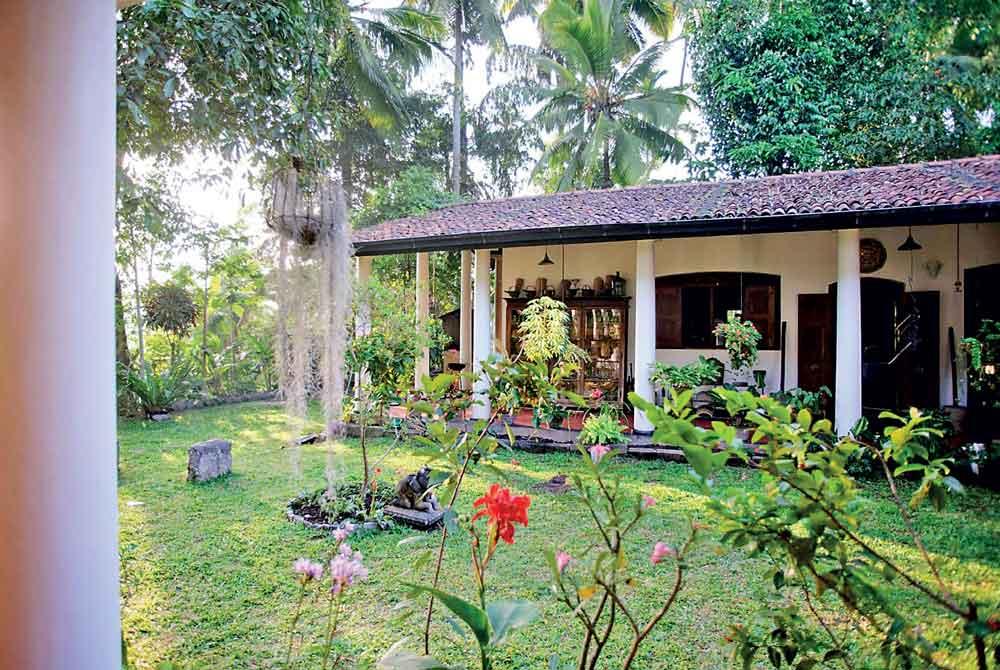
 Kandy’s countryside is not merely a place to visit, it’s a place where history breathes and the past feels beautifully alive. Beyond the hustle and bustle of modern Kandy lies a world where time seems to stand still. Here, village homes whisper stories from the pre-British era, and every house, temple and cobbled path in this hill country district holds traces of an age when life moved to the rhythm of nature and culture. The courtyards, shrines and verandas of Kandyan homes bear the graceful marks of heritage and harmony.
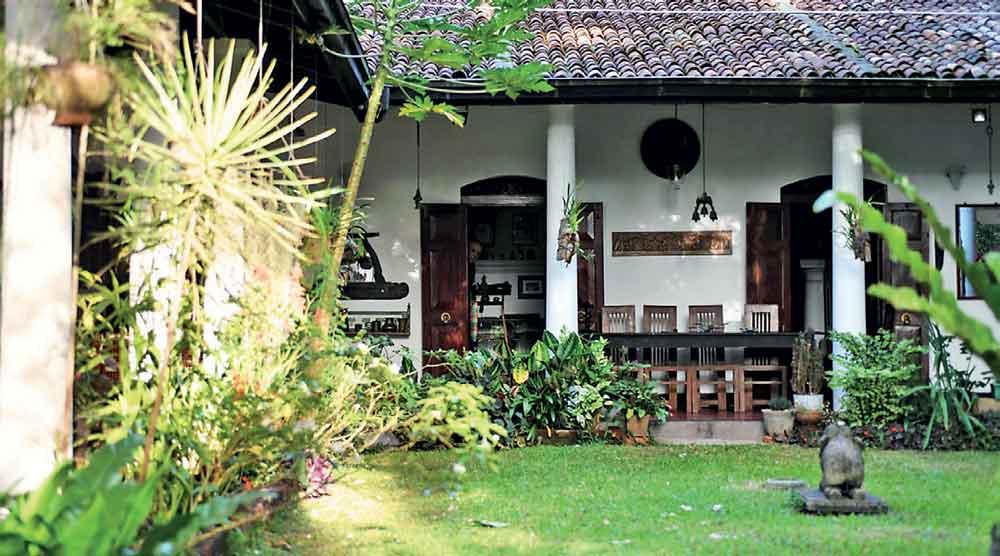
Once the residence of a noble of the Kandyan court, this eighteenth-century Naranwala Mahawalawwa in Naranwala Road Handessa, is now the ‘Suriyakantha Museum, Heritage Home & Restaurant.’ Surrounded by a lush green sanctuary, shaped by the singular magic of Kandy’s climate, the manor which blends the elegance of Dutch colonial architecture with Sinhala craftsmanship opens its doors to visitors while remaining true to its original spirit. The original manor was laid out on an L-shaped plan, its two intersecting wings enclosing an open service yard. In this sheltered inner elbow, the building’s protective crook, daily life found its pulse: threshing grain, tending a small herb garden, drying produce and other tasks essential to an aristocratic household of the time.
The revival of the Walawwa owes much to the vision and determination of two men, Rohan de Silva and Dr Jacques Soulié, who, with the guidance and skill of local craftsmen, undertook a complete and respectful restoration of this traditional manor. Their shared dedication to cultural preservation and education made the next step almost inevitable: the creation of a living cultural space.
Once the residence of a noble of the Kandyan court, this eighteenth-century Naranwala Maha walawwa, is now the ‘Suriyakantha Museum, Heritage Home & Restaurant’...
In 2015, the restored residence opened its doors as the Suriyakantha Centre for Art and Culture, a ‘home-museum’ unique in the Central Region. Its mission was not only to safeguard the building and its collections, but also to create a dialogue between the past and the present, the local and the global.
This vision expanded in 2016 with the addition of a dedicated art gallery, hosting rotating temporary exhibitions and offering a privileged platform to contemporary artistic expression. By placing modern creativity alongside centuries-old heritage, the Centre affirms its belief that cultural identity is not static but continually renewed.
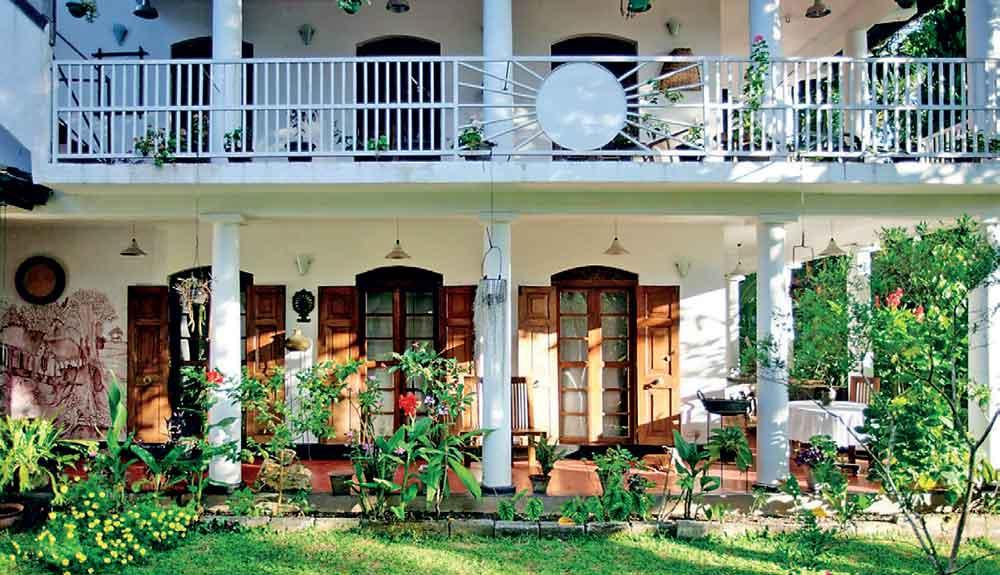
The manor also features broad verandas at both the front and the rear, transitional spaces between exterior and interior. These covered galleries offer a cool, breezy refuge in the heat of the day, a vantage point over the gardens, and a ceremonial threshold for receiving guests. Together, the verandas frame the living spaces, lending rhythm and dignity to the building’s proportions.
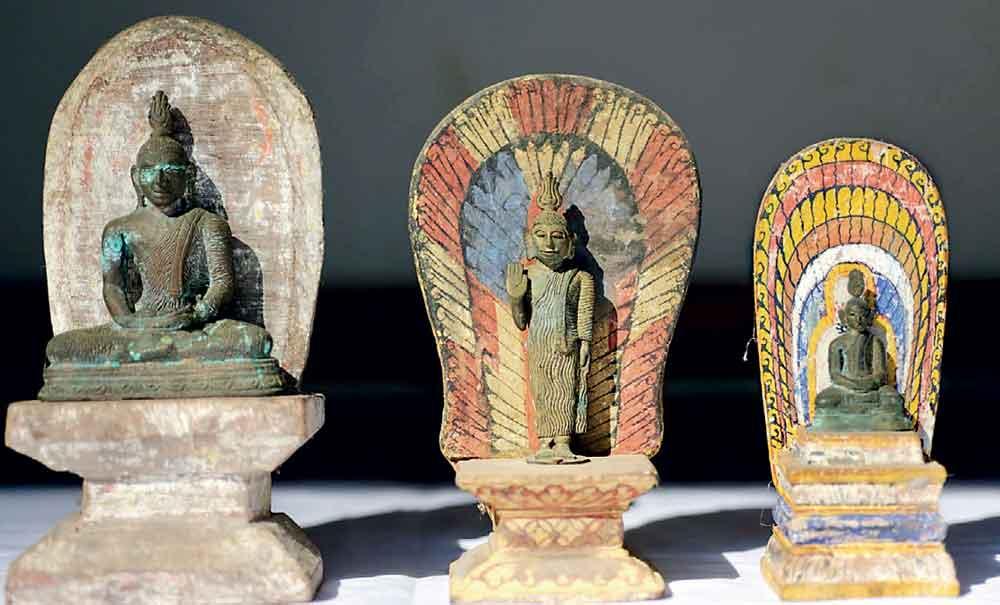
The collection spans Visual Arts, Folk Art, Books and rare Documentation, along with beautifully preserved pieces of Traditional Furniture. Beyond its Museum and Heritage Home, ‘Suriyakantha’ invites visitors to savour one of the finest culinary journeys in Kandy, where every dish carries the essence of heritage and time-honoured flavour.
Visual Arts
The Centre’s Visual Arts Collection, assembled in Paris during the latter half of the 20th century, is composed of two principal elements. The first is a remarkable set of historical photographs, illustrating the formative years of photography as an art form in the late 19th century. These images capture not only moments in time, but also the early aesthetic ambitions of a medium still defining itself.
Folk Art
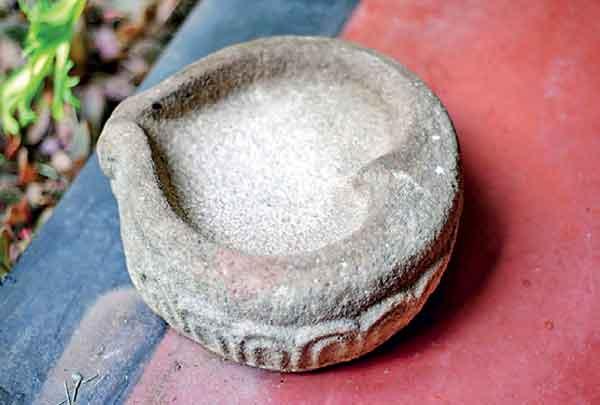
Over more than 25 years, the Suriyakantha has pursued a patient and methodical exploration of Sri Lanka’s folk traditions, travelling to villages, markets, and craft workshops across the island. This dedication has yielded a rare and cohesive folk art collection, representing both the utilitarian and the ceremonial dimensions of daily life.
Books & Documentation
The Centre’s library and archives are the fruit of more than 50 years of meticulous and deliberate collecting. The holdings include rare original editions, specialist studies, and illustrated volumes of historical and artistic significance. Particularly noteworthy is a small but distinguished group of original ola leaf manuscripts, handwritten on preserved palm leaves, a traditional medium of knowledge in South and Southeast Asia.
Traditional Furniture
The traditional furniture collection of the Suriyakantha Centre offers a rare glimpse into the elegance, craftsmanship, and social customs of historic Ceylonese households. Crafted primarily from richly grained hardwoods such as jak, teak, and nadun, these furnishings were built to last for generations, their forms reflecting both indigenous aesthetics and the nuanced influence of European design during the colonial era.
‘Garden within’
‘Garden within’ is the restaurant that lives up to its name: an open-air sanctuary where freshness, light and centuries-old colonnades turn every meal into a moment of harmony between heritage, nature, and taste. Each dish celebrates the rhythm of the seasons and the artistry of local ingredients, an experience both sensory and aesthetic.
Since its opening, the café has blossomed into one of the most distinctive dining experiences in Kandy.
What began as a modest tea-corner has grown into an elegant courtyard restaurant that welcomes up to twenty-five guests beneath its terracotta-tiled galleries and jasmine-scented breeze.
Under the toque of Chef Prasanna Upajeewa and his brother Desirathne, the ‘Meda Midula’ Café serves traditional Sri Lankan dishes infused with a bold touch of creativity and a playful sense of freedom, in perfect harmony with the spirit of Suriyakantha.
Pix courtesy Suriyakantha Centre