AI SUMMARY GENERATED ONLY FROM THIS ARTICLE'S TEXT.
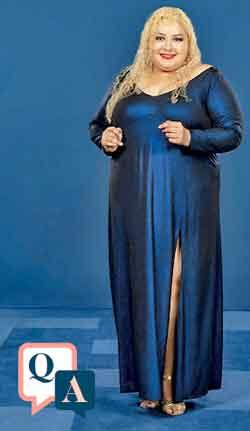
Pic Courtesy Monique
QTell me about your childhood and how music became a part of your life.
Music was always in my life. I think it came from the family. Like most kids, I grew up listening to the records my parents played—singing along to those same songs. But from a very young age, I was drawn to the stage. I just loved performing.
QCan you recall your earliest experiences on stage?
Absolutely. I started ballet when I was around three or four years old. My ballet teacher was Aunty Deanna. My mum was in a jazz group at the time, and she used to take me along to her classes. I’d watch, fascinated, and want to do the same. That’s where the desire to be on stage began—not just singing, but performing in general. I found joy in it, maybe even more than the audience did!
QSo performance was in your blood from the start?
Very much so. My mum was a dancer, a speech and drama teacher, and a directress. She was immersed in the creative arts, and I think I inherited that passion from her. But she was also very strict—education always came first. Even though I knew by 15 or 16 that I wanted a career in performance, I had to finish my studies first.
QWhat school did you attend?
Holy Family Convent.
QDid you ever consider other careers?
Yes, at one point I wanted to be a lawyer. But after my A-Levels, I studied
journalism and specialised in television journalism. That led me to an internship at YA TV, where Dilip Gabadamudalige was the Music Director. I’d finish my assignments as quickly as I could, just to sneak into the music room and watch him work. Eventually, I started singing with him—and that’s how my professional journey began.
QWhat was the next step?
I performed jazz with Dilip for about five months, but I wanted more. So I joined a band called Ultimate. I stayed with them until the band dissolved. After that, I moved into radio—Radio One initially, which later became Prime Radio under ITN. Eventually, I joined Gold FM in 2011. During this time, music took a backseat as I focused on my radio career.
QWhen did music come back into your life?
In 2013, completely unexpectedly. I met Sunil Perera at Blue Water during a Sunday buffet. He recognised me and asked if I still sang. I said yes, though I hadn’t performed in a while. He gave me his card and asked me to call the next day. True to his word, the very next day, he sent over music files and recordings for me to learn.
QThat must have been surreal.
It really was. I thought it was just a temporary gig for the season, but when I asked him if I was done after December, he looked at me and said, “Why would I be practising with you if it was temporary?” That’s when I realised—I was in. I joined the Gypsies on 30th November 2013.
QWhat was it like working with Sunil Perera?
A huge learning experience. He was more than a band leader—he was a mentor.
He never tried to change me; he celebrated my uniqueness. He always pushed me forward, gave me the stage, the spotlight. He appreciated all genres and had a vision for the band that included elegance and versatility.
QAnd you felt supported?
Completely. I was never made to feel like I was stepping on anyone’s toes. He wasn’t threatened—he encouraged me. I remember a gig in Manchester where most of the crowd was white, unfamiliar with the Gypsies. He said, “Go. Take over.” He believed in me.
QWhat was your relationship like outside of the music?
He became Uncle Sunil to me. Not because of age, but because of the care he showed. He took time to talk to us, guide us—not just professionally but personally. He wanted us to grow as people. That’s rare.
QHis passing must have been incredibly difficult.
Devastating. He had returned home from hospital, and we all assumed he was recovering. Then, one day, I got a call from an unknown number. It was him. His voice was weak and frail—so different from the booming voice we all knew. I didn’t recognise it at first. That call shook me.
QHow did the band manage after his passing?
It was a challenge. We all had to step up. We released a tribute track called Sunil Aiyya on his first death anniversary. We moved from being supporting artists to front-liners.
The industry also changed post-COVID—there were more gigs, more work. The band found its rhythm again.
QAnd you eventually made the decision to leave?
Yes. I felt I had been part of a band for long enough. It was time to create my own legacy. I didn’t want to grow old with regrets. I stayed on longer than planned, but eventually, on 1st November 2024, I left.
QAnd how has the transition been?
That’s a whole new chapter... one that’s just beginning.
Comments - 0
Comments - Monique A Journey of Music, Mentorship, and Finding Her Voice
222
Add comment
Comments will be edited (grammar, spelling and slang) and authorized at the discretion of Daily Mirror online. The website also has the right not to publish selected comments.