Reply To:
Name - Reply Comment
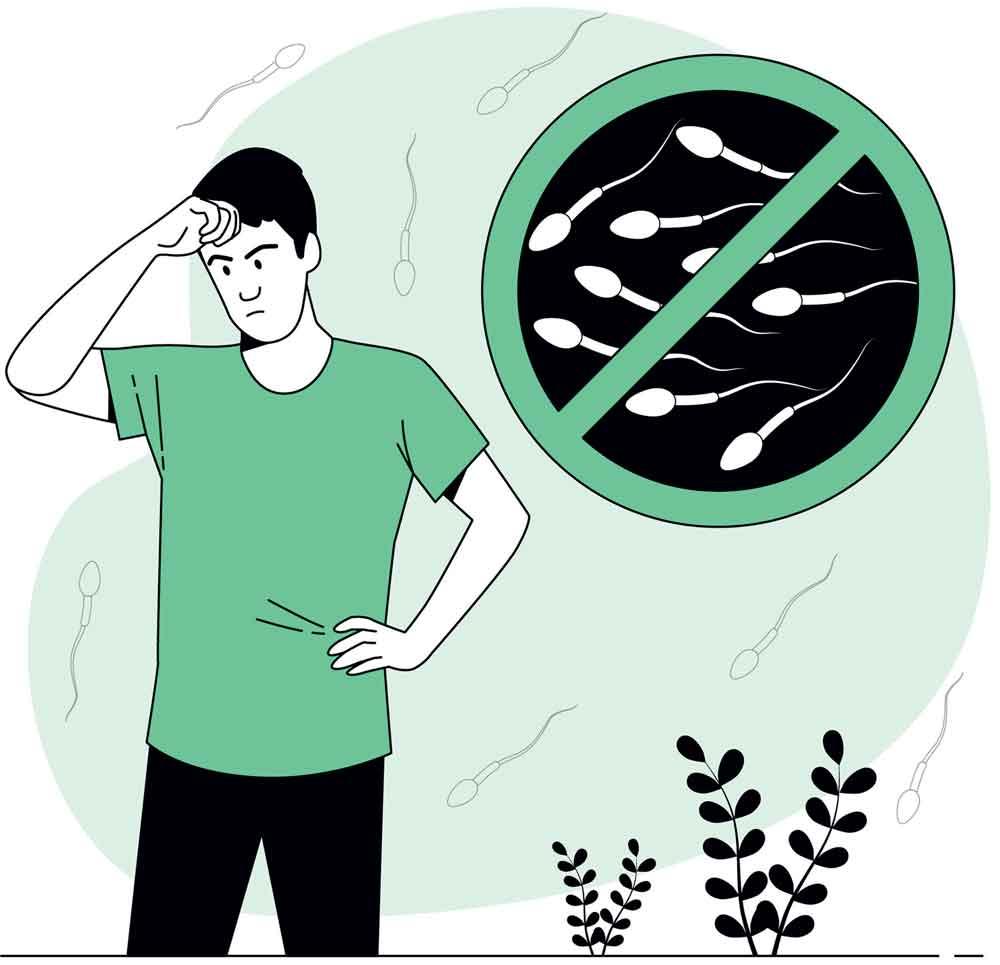
 In the South Asian context, childless couples are often subject to social scrutiny. While fingers are usually pointed towards females, blaming them for being infertile, a growing number of cases reveal that males too could become infertile due to various causative factors. Medical experts observe that infertility affects about 50% couples worldwide and that this is the case in Sri Lanka as well. Male infertility contributes to 40-50% of cases and is now perceived as a significant public health issue both globally and in nations such as Sri Lanka.
Rising prevalence
Male infertility is seen as a failure of masculinity, as a stigmatizing, silencing, isolating and traumatic experience. “In the past, males were reluctant to accept it due to the socio-cultural stigma,” explained Prof. Sanath Lanerolle, senior consultant in Obstetrics and Gynaecology at the Castle Street Hospital for Women. “But now we see a rising prevalence as males accept it and there more males coming forward for investigations. Earlier there was limited access to advanced healthcare services. Now there are more simple and accessible healthcare facilities for this. There is a lot of media exposure as well,” he added.
The moment males discover that they are infertile it affects their personality and basically their manhood...So males are scared to accept the fact that they are infertile. Therefore they delay seeking appropriate investigations and care...
Causative factors
 According to Prof. Lanerolle there are many causes for male infertility. Generally male infertility could happen due to low sperm count (Oligospermia/Oligozoospermia). The WHO approves at least 15 million sperms per milliliter of semen. Sperm mortality is another factor that contributes to male infertility. “Weak sperms cannot reach a fertile egg. In addition, the morphology of a sperm also matters. A sperm has a head and a tail but if there’s any change to head or the tail it affects the fertility,” Prof. Lanerolle explained.
Genetic factors are another cause of male infertility. “Some people are born with genetic deficiencies such as Klinefelter Syndrome. Males affected by such illnesses would produce genetically abnormal sperm. Hormonal imbalances such as producing testosterone in low levels would affect mortality of sperm,” he added.
Diseases that affect testicles and infections could also affect the sperm count. “Common causes include varicocele (an abnormal enlargement of the pampiniform venous plexus in the scrotum) and hydrocele (accumulation of fluids around a testicle). Another cause is infections. If you get mumps during your childhood it would not affect the carotid gland but the testicles as well. This is called mump orchitis. Sexually transmitted diseases such as gonorrhea or syphillis too could affect testicles,” Prof. Lanerolle explained.
Medical experts observe that infertility affects about 50% couples worldwide and that this is the case in Sri Lanka as well. Male infertility contributes to 40-50% of cases and is now perceived as a significant public health issue both globally and in nations such as Sri Lanka.
Environmental factors also contribute to infertility. If you’re working in a very hot environment or if you’re exposed to toxins then you are at risk of developing infertility. Occupational hazards are another factor. Prof. Lanerolle spoke about use of pesticides in agriculture dominated areas including the estate sector in Nuwara Eliya and how male infertility is prevalent in such areas.
Prof. Lanerolle warned that lifestyle factors such as smoking or drinking alcohol would also affect fertility. “Individuals with a high Body Mass Index too are at risk of becoming infertile. Modern day lifestyles are quite stressful and stress has a positive impact on male infertility. There are certain chemicals that affect our endocrine system which are known as Endocrine Disrupting Chemicals (EDCs). Our sedentary lifestyles cause a high BMI which brings about a decline in sperm parameters. One WHO study indicates that the sperm count has declined by over 50% over the past four decades. But we don’t have data in Sri Lanka because we haven’t done a lot of studies in that field,” he added.
Prof. Lanerolle said that in addition to the aforementioned factors late marriages and delayed pregnancies are another cause that affects male infertility. “It has become a national tragedy. There is a trend of living together and people, especially the youth postpone parenthood. But after 40 years of age there’s a decline of fertility,” he explained.
At a glance….
Signs and symptoms
Male fertility is said to be declining globally as Doctors question the reason for this. Many theories have been put out there from prolong motorcycle riding to using laptops, but doctors agree that a variety of factors can contribute to it. If at all concerned, visit your Doctor to discuss and clarify.
According to Mayo clinic symptoms include
Causes
Chances of male infertility maybe higher if you -
How can you improve your chances…
Stigma
Generally in Sri Lankan society, infertility is always considered a female problem. “The moment males discover that they are infertile it affects their personality and basically their manhood,” Prof. Lanerolle continued. “So males are scared to accept the fact that they are infertile. Therefore they delay seeking appropriate investigations and care. They put the blame on females. As a result there’s a delay of evaluation by men. Even though we diagnose and tell them their condition they are reluctant to accept it. For example, from my clinical experience when we ask males about conducting seminal fluid analysis, they are very reluctant to do it and they never come with a report,” he added.
A person with a low or middle income status cannot afford IVF. The government should also bring about a policy reform to make these services available to people in a government hospital free-of-charge or in a subsidised manner...
Treatments
According to Prof. Lanerolle, a seminal fluid analysis is a commonly used test to diagnose infertility. “It is affordable and local hospitals are now equipped with facilities to conduct these investigations,” he said.
However, treatments depend on the cause. “If it is a mechanical cause such as varicocele there are surgical methods to remove certain blocks etc. There are lot of drugs that improve the quality and number of sperms. If both approaches fail then there’s another option where you drill a testicle and get sperm out. This is called Intra - Cytoplasmic Sperm Injection. If this fails you can get a sperm from the male and opt for In Vitro Fertilization (IVF). IVF is an option for those with erectile dysfunction. But the drawback feature is that these options are expensive and they remain inaccessible to many low and middle income couples. Cost is the limiting factor when seeking treatments,” he explained further.
Message to youth
Generally the fertile period of a human being is between 20-35 years. “If you’re living together and planning for a pregnancy then it’s better to do it between this period,” advised Prof. Lanerolle. “This is the period during which men produce quality sperms. Youth should also quit smoking and drinking alcohol. Avoid sedentary lifestyles. Bring about dietary modifications such as reducing carbohydrates and modifications to your lifestyle. The other advice is to avoid stress. Lot of couples become stressed when they face problems. This stress itself impacts the male sperm count. Have at least eight hours sleep. Now people do night shifts, they do 2-3 jobs and these changes in lifestyle and disruption of their biological clock affect their sperm production. It is also advisable to avoid exposure to pesticides and toxins when you’re planning for pregnancy. Eat a healthy and balanced diet and avoid artificial food that contain lot of chemicals,” he said.
He further said that it is important to develop the country’s health sector. “Public health awareness is poor. There needs to be a campaign to educate people about these options. We need to improve our diagnostic services to an accessible and affordable level. Right now, a person with a low or middle income status cannot afford IVF. Sociocultural changes with regards to acceptance of male infertility is also necessary. The stigma attached to it should be removed. The government should also bring about a policy reform to make these services available to people in a government hospital free-of-charge or in a subsidised manner. After 15 years we started a sperm bank at the Castle Street Hospital and it is a progressive step,” he said in conclusion.
Food that may help…
Pomegranate, Lentils, Oysters, Tomatoes, Dark Chocolate, Spinach, Bananas, Walnuts, Garlic, Salmon, Eggs, Raspberries and strawberries…
And ones to avoid…
High caffeine intake, soy products, and processed meats, food high in saturated fat
What treatment options are there?
(Mayo Clinin.org)