Reply To:
Name - Reply Comment
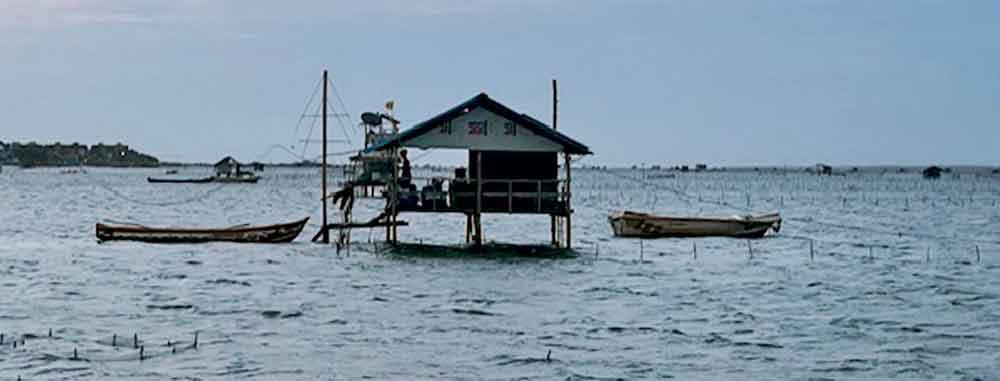
We set off early from Colombo by van to Jaffna and complete the journey in seven hours. It is my sixth visit to the city on the northern tip of Sri Lanka. Previous journeys have been by train, car, van and two times flying. One of these was during the ceasefire in 2002 during the LTTE conflict. Jaffna was heavily impacted in the war and also hit by a tsunami.
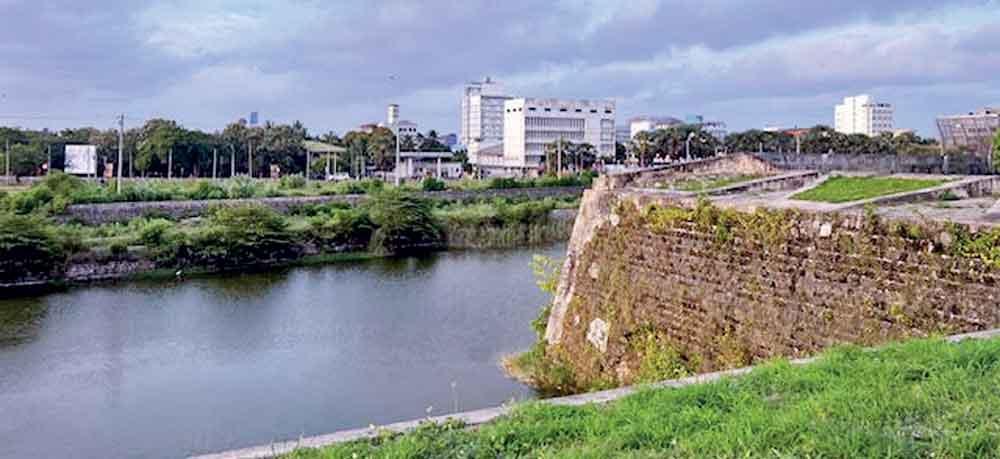
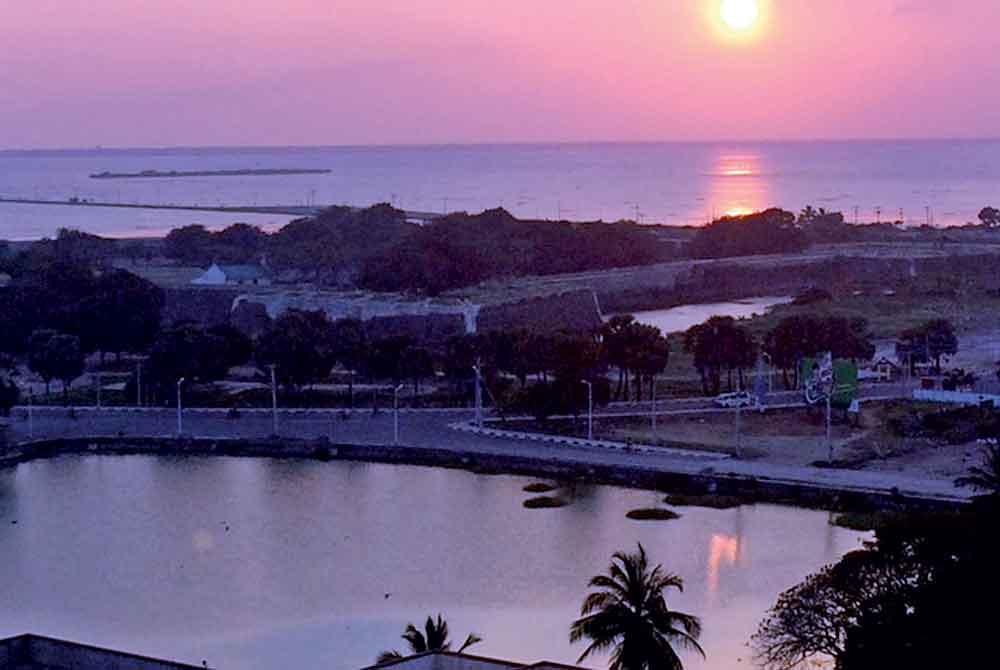
 This visit sees more new infrastructure and cleaner streets. Life hopefully has somewhat returned to normal after all the devastating setbacks. Sunset over any sea facing a fort on the island is magical. There is sadly a lot of garbage outside this fort and along the water front . It’s likely the second biggest fort in Sri Lanka, sadly renovation looks a very slow process.
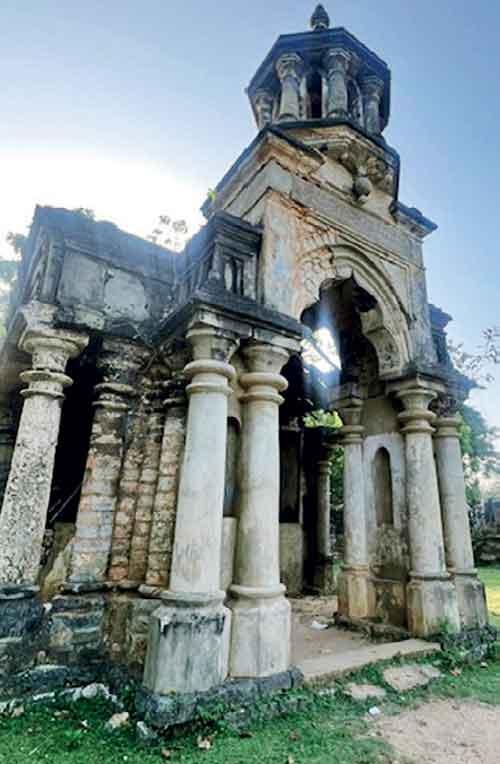
In 1619 the King of Galle was ousted by the Portuguese. Little is known about his death or where his body lies. The suppressing Portuguese were ousted by the Dutch and the fort was given an extension of star shape ramparts. We settle into our villa Mahesa Bhawan built in 1935 in Jaffna style. It has recently been refurbished befitting its era, the most enjoyable an exquisite Jaffna cuisine. Our visit schedule is full on for day two. The old government offices dating back to approx fifteen hundreds , with coral cut bricks is probably beyond repair. However its former glories can be envisaged. Target two is the search for local wine making and distillery. The government had announced some years back that a Tamil Canadian was returning to the area and would be involved in reinstating it . This never happened . I met a mother superior on a previous visit to the area who made and sold what she called wine. She asked for some secrecy as she was selling it without a license. Today we can’t see any vines but buy a couple bottles of wine . As a winemaker in Bangalore I sense the so-called local Jaffna wine made by nuns is more like wine juice, hardly fermented. Our heavy day of touring Jaffna area includes the bottomless pools and salt baths dating back hundreds of years. In the Jaffna area there are two hundred plus churches and over a hundred temples, kovils, and other places of worship. I do slip into a large cemetery and meet by chance a nun who warns me many of the so-called workers in the place are under the influence of alcohol. I hurriedly snap loads of photos. On showing them to our friends traveling with us, we establish we know the siblings of those named on the graves.
It is my sixth visit to the city on the northern tip of Sri Lanka. Previous journeys have been by train, car, van and two times flying. One of these was during the ceasefire in 2002 during the LTTE conflict. Jaffna was heavily impacted in the war and also hit by a tsunam
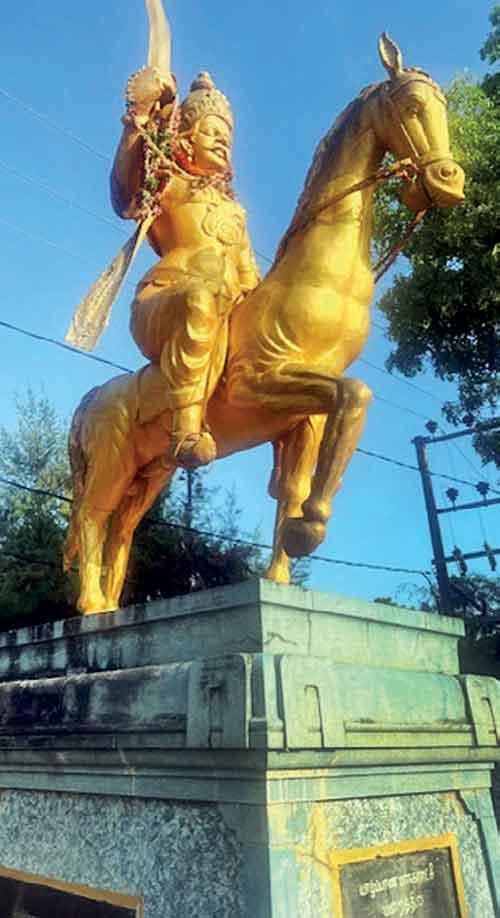
We visit the sixteenth century cathedral and I’m saddened about the lack of maintenance. The market in the centre of town is quite basic and runs along traffic filled roads. Whilst the city museum looks like a series of huts, the range of displays are excellent, if not a bit under cared for. Like many cities in Sri Lanka there is an abundance of statues, religious and some historical. There are still many deteriorating properties, some dating back to pre Portuguese occupation. King Sankili of Jaffna is one of the many statues in the city. On my last visit I went to the famous Jaffna library, rebuilt long after the original was burnt down during the war. It was very limited tour. We normally visit Delft island, which has remains of a Dutch fort and British occupation. The peninsula is full of undiscovered beaches so is well worth the trouble . Just check if ferries are running. They remind me of the old basic pontoons in Rhodesia as a kid. Much of Jaffna streets operate on a matrix of roads, where everyone has the right of way, and you assume god is looking after you whatever the outcome. Twenty years ago I saw many old British cars, some being used as taxis . Now it is best to visit the Tamil Sivapoomi museum just outside Jaffna.
Lord Puttnam a climate change expert at an event in Galle said that much of Jaffna is very likely to be underwater in twenty-five to fifty years time. So it’s time to visit this fascinating city.