Reply To:
Name - Reply Comment
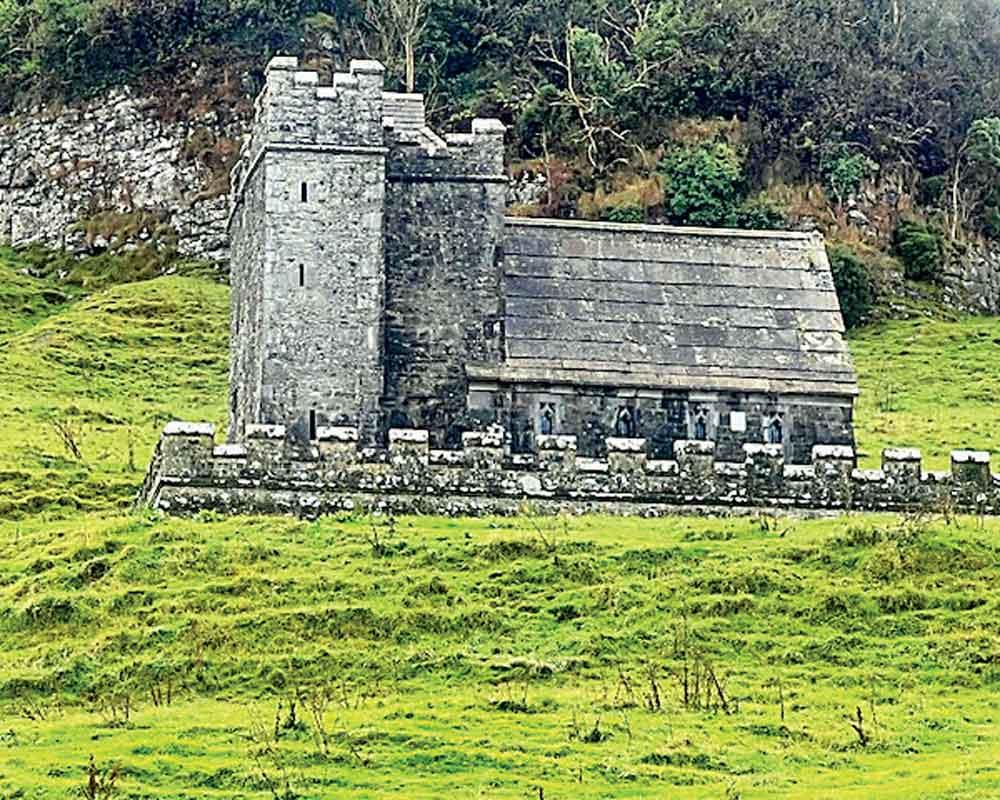
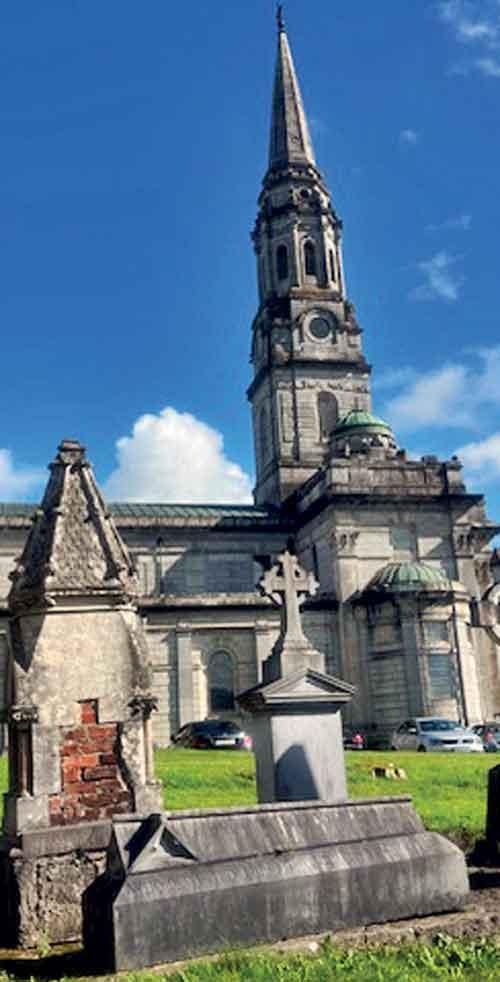
 We arrive somewhere known as the Midlands in Ireland . Close by is a massive lake called Lough Sheelin, in County Cavan, noted for its brown trout. It also has some haunting death stories. In the last twenty years there have been multiple drownings and suicides, and earlier, a mass murder. Our old friend welcomes us to his unusual home, previously a school. We hurtle down empty country lanes and immaculate motorways, and it’s clear that getting around this island is quite easy. Every now and again, Colin, our host, slams the brakes on as we drive through small villages and we do another graveyard tour. Taphophiles unite.
The first one is an overgrown, small cemetery with trees growing through the derelict church. The next old church we check out is up for sale, including about twenty graves. My host reminds me of one of the Whinging Pome Random Rules: “Never pass an Irish pub, always go in.” It’s going to be a long week. We do get into a few. It is not Kilkenny beer country, but there is plenty of Guinness and IPA.
I’ve visited many distilleries over the years in a number of countries, but Tullamore is the biggest and youngest I’ve seen. The best of tours; interactive, with tastings and a little bus to take you around it all. Our host is a turkey farmer but even greater cook . He invites us to dine at home with ten of his colourful local friends. It’s a great way to start our week in Ireland and get a feel of the people and the place in three hours of chat. An insight into why people live in this wet, remote place. Yet they are all vibrant, with their true-life stories, local myths, and harmless village gossip.

The Irish greeting of “Top of the morning” is not heard, but everyone has a nod and a smile for a perfect stranger. We don’t, however, meet anyone on our early dog walks in the persistent drizzle. From every quarter there are history lessons of aging properties, some empty for decades. It’s all green countryside. Many homes however look like mansions, as there was a period of cheap land, loans, and mortgages that created a building boom. Ireland joined the EU back in 1973, followed by a financial crisis.
“If you tell the Irish they can’t have something, they want it even more.”
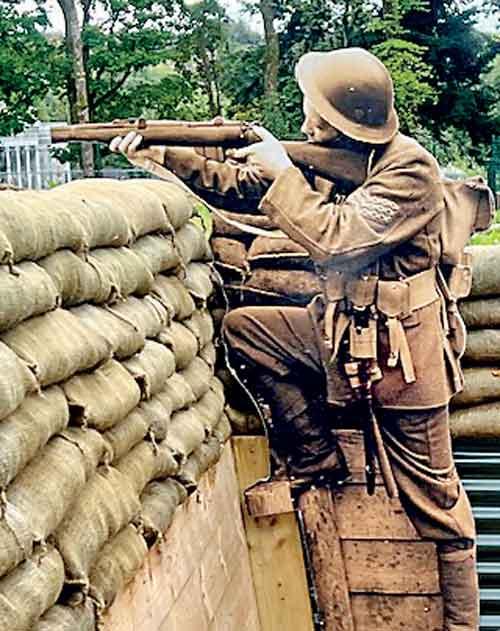
We arrive in the county town of Cavan, once a military town, and visit the walk-through museum. There is a wide range of displays from pre–First World War to about the 1980s. They even have a mock-up of the First World War trench layouts. There is a massive section on the War of Independence from the British. We spend ninety minutes there but could have easily doubled the time.
Extensive fields of amazing Irish green and dry-stone walls are dotted with abandoned cottages from bygone times. You might be surprised to know that most potatoes are not grown here but imported from other European countries. We do, however, enjoy the daily meat fix with home-grown turkey , vegetables and herbs. The other occupant of Colin’s house is Obi-Wan Kenobi, a dark brown thoroughbred dog who is almost human in his mannerisms and affections.
Life in a small central “hamlet”, perhaps that’s an English word, consists of one petrol station that looks like something out of the 1960s movie set and a large shop , it sells most things for basic needs. Everyone knows everyone and their business. It’s a place where you can leave your door open or key in the lock . We are in search of Myles the Slasher, who in the 17th century defended the bridge of Finea against the British. The town has a monument relating to his bravery. We drive through one small village and count ten pubs. Most are closed, some only opening four nights a week.
Jezzabel and I leave the county having had an amazingly fun time, meeting interesting village people in a very charming, calm, slow-paced area , caught in a time warp.