Reply To:
Name - Reply Comment


Her case went to court, and despite her mother’s opposition, Nimmu was removed from her home and placed in the Bahirawakanda Children’s Home in Kandy. "It was painful, but it was also the first time I felt safe"
Beyond TFT, she co-founded Generation Never Give Up, Sri Lanka’s first registered network for care leavers, now with over 600 members. "We started it in 2017 after realizing that care leavers needed a voice. Together, we’re proving that we can create change from within"
 Born into poverty and pain, Nimmu’s life began in the shadows of violence and neglect, but she has since become a powerful voice for children without families. Once a child of Sri Lanka’s institutional care system, she has turned her own suffering into purpose—fighting to ensure that no child grows up feeling unwanted or unheard. Today, she is an award-winning change-maker, author, and international speaker, serving as the Alternative Family and Foster Care Manager at Their Future Today (TFT), an organization devoted to ending institutionalization and creating family-based care. Her remarkable journey—from survivor to advocate—is a testament to the resilience of the human spirit and the transformative power of hope.
For Nimmu, childhood was never a sanctuary. “Growing up, I had my father, mother, five brothers, and one sister,” she recalls. “But our home was filled with fear. My father’s drinking led to violence, and we faced more beatings than we did meals.” When she bravely confided in her mother about the abuse she suffered, she was met with disbelief. At just ten years old, she turned to a teacher for help—a decision that changed the course of her life.
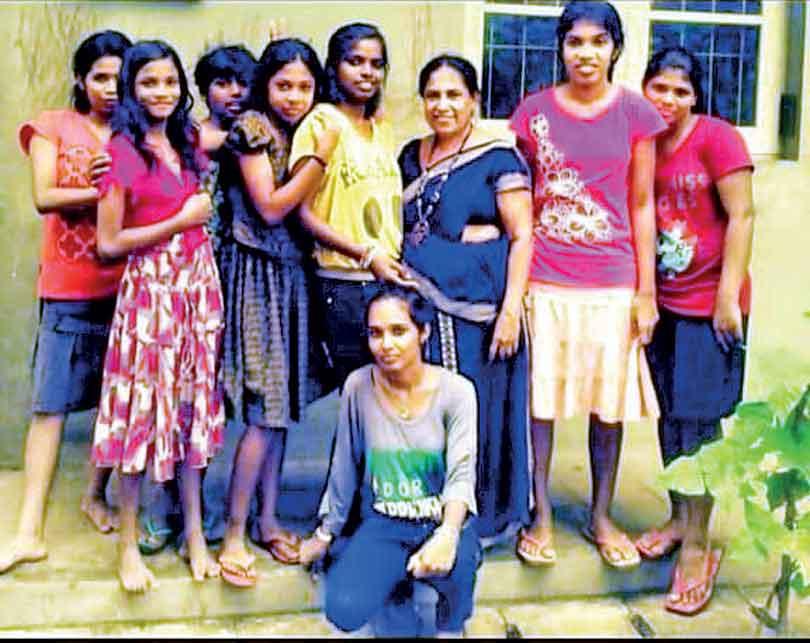
Her case went to court, and despite her mother’s opposition, Nimmu was removed from her home and placed in the Bahirawakanda Children’s Home in Kandy. “It was painful, but it was also the first time I felt safe,” she says. That safety, however, came with new challenges. Over the next fifteen years, she would move through multiple children’s homes, experiencing the best and worst of institutional care.
At the Kandy Child Development Centre, an empathetic matron helped her flourish academically. “I still remember the meals we got from the Dalada Maligawa—they were the best food I’d ever eaten,” she says with a smile. But when the staff changed, so did her experience. “The environment became harsh, and I turned aggressive. I didn’t know how to express my pain.”
Repeated court hearings, including time spent in prison cells awaiting testimony, left emotional scars. Yet through it all, Nimmu persevered. She was later transferred to Sarvodaya Girls’ Home in Norton Bridge, where she rediscovered stability and a sense of purpose. “Those years taught me resilience and self-advocacy,” she reflects. “I realized I wanted to dedicate my life to helping children like me.”
Her journey through education was equally remarkable. After initially failing her Ordinary Levels, she was determined not to give up. “Normally, children at the Centre weren’t allowed to repeat exams, but I was given a second chance. I passed and later sat for my Advanced Levels,” she says. With the support of Sarvodaya and private donors, she improved her English at the British Council and pursued a childhood dream—law.
That dream took an unexpected turn when she received a full scholarship to study Journalism, Advertising, and Mass Communication at NIILM University in India. “It was life-changing. I learned English and Hindi, excelled academically, and graduated with honours.” Returning to Sri Lanka, she pursued further studies in psychology, criminal investigation, and social sciences—fields that would later shape her advocacy.
In time, Nimmu’s voice found global resonance. She began representing Sri Lanka’s care leavers at international conferences across Asia and Europe, including the FICE World Conference in Croatia and several BICON forums. “When I share my story, I speak for thousands who don’t have the chance to be heard,” she says. “Care leavers deserve dignity, opportunities, and a chance to dream.”
Her impact was recognised in 2024 when she was honoured as a Young Change-Maker by the UN Ambassador and Neon Media—a validation of her years of relentless advocacy. “Out of 700 applicants, being chosen as one of 50 women who are changing society was an incredible honour. It reminded me that my pain had purpose.”
It was around this time that fate introduced her to Lynn Stanier MBE, founder of Their Future Today, a charity dedicated to ending institutional care in Sri Lanka. “Lynn heard me speak at a virtual conference and reached out,” says Nimmu. “When we finally met, she offered me trust, mentorship, and a role at TFT. Meeting her changed my life.”
As TFT’s Alternative Family and Foster Care Manager, Nimmu now leads the House of Dreamz project—a nurturing initiative that helps institutionalized children express their hopes for a better future. “It’s a safe space for creativity, recreation, and emotional healing,” she explains. “We also train orphanage managers in safeguarding and family-based alternatives because no institution can replace the love of a family.”
Beyond TFT, she co-founded Generation Never Give Up, Sri Lanka’s first registered network for care leavers, now with over 600 members. “We started it in 2017 after realizing that care leavers needed a voice. Together, we’re proving that we can create change from within.”
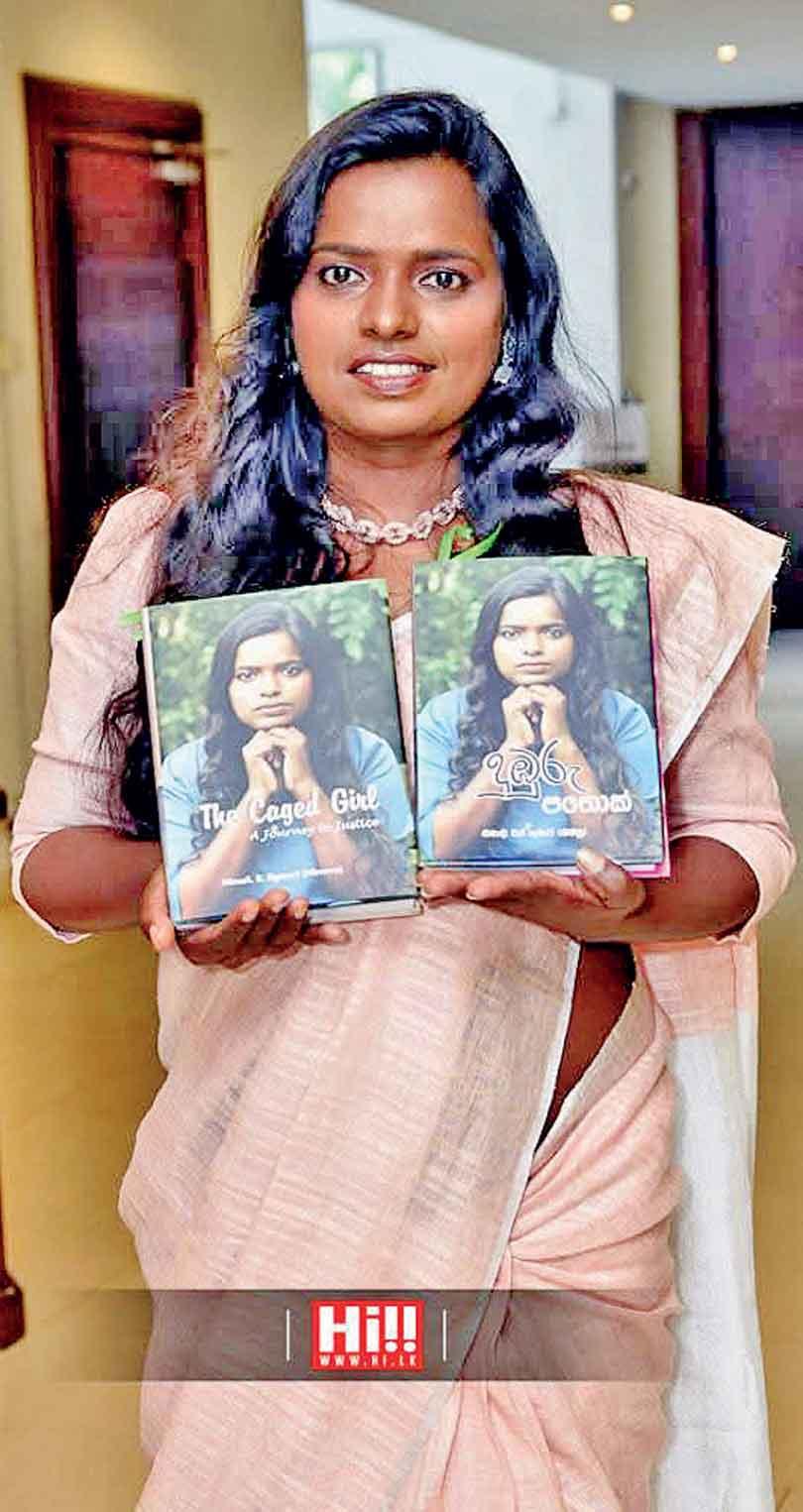
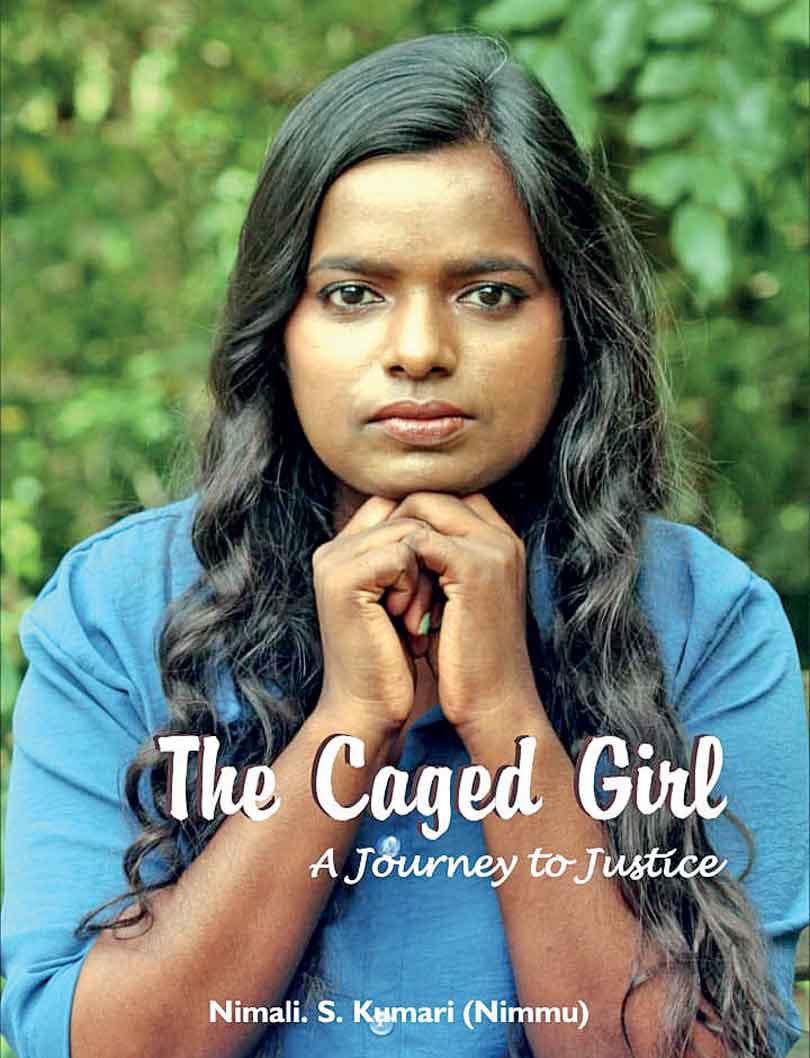
In 2023, Nimmu published her memoir, Dumburu Pathok in Sinhala and The Caged Girl: A Journey to Justice in English—a powerful chronicle of her life in and beyond institutional care. “Writing the book was painful. It reopened old wounds, but it also set me free,” she says. “I want no other child to write such a story again.”
Looking ahead, Nimmu’s vision for Sri Lanka’s care system is bold and compassionate. “We need deinstitutionalization, stronger aftercare, and better mental health support,” she insists. “Above all, every child deserves the warmth of a family.”
Through every hardship, one belief has guided her: no child should grow up alone.
“I wake up each day knowing that change is possible,” she says softly. “Every time a child finds a home, every time a policy changes, I’m reminded that the fight is worth it. My life proves that with love, trust, and opportunity, even the caged can learn to fly.”