Reply To:
Name - Reply Comment
Across industries and borders, women are leading this charge. From entrepreneurs to designers, diplomats to activists, their voices are united in a powerful demand for systemic change. Whether advocating for policy reform, promoting female leadership, or addressing global inequalities, these trailblazers emphasize that inclusion is not just a women’s issue—it’s a collective responsibility.
 As the world marks International Women’s Day 2025 on March 8th and some celebrate International Women's Week the call to “Accelerate Action to Collectively Forge a More Inclusive World for Women” is apt. This year’s theme urges society to move beyond conversations and towards collective action—breaking down barriers, challenging biases, and fostering a world where women are equally represented and valued.
Across industries and borders, women are leading this charge. From entrepreneurs to designers, diplomats to activists, their voices are united in a powerful demand for systemic change. Whether advocating for policy reform, promoting female leadership, or addressing global inequalities, these trailblazers emphasize that inclusion is not just a women’s issue—it’s a collective responsibility.
 In this feature, a diverse group of women—spanning business, law, fashion, the arts, and public service—share their insights on what it will take to accelerate progress. Their perspectives highlight the urgent need for action: from early education reforms to global advocacy for basic rights, fostering inclusive workplaces, and engaging men as allies.
As these women make clear, the time for symbolic gestures is over. The future hinges on bold leadership, collaborative solutions, and a shared commitment to building a world where every woman can thrive. Here, in their own words, is how they believe we can collectively accelerate action. and why doing so is vital for a more equitable tomorrow.
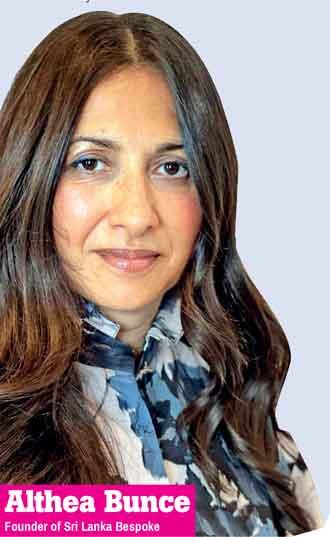
Accelerating gender equality, for me, means moving beyond awareness to concrete action. While achieving equality requires a collective effort across society and should not rest solely on women, in practice, the responsibility often falls on women to drive change. Therefore, we must continue to campaign strongly for several key areas. Early education reform is essential to challenge gender stereotypes while recognizing gender-specific strengths. Encouraging broader public dialogue is crucial to raise awareness about the inequalities women face in areas such as pay, healthcare, and research. Global advocacy is needed to support women who are denied basic rights in regions like Afghanistan. In addition there must be a continued push for bodily autonomy and reproductive rights worldwide. There is also a need for dedicated governmental leadership on women's issues which is vital; currently, in the UK, the Minister for Women and Equalities also serves as the Secretary of State for Education, reflecting a need for more focused attention. It is also important to engage men as active allies through meaningful dialogue as it is essential to fostering a more inclusive movement. Finally, women should consciously harness their natural propensity for thorough preparation and vigilance against complacency, using these traits as strategic advantages when navigating technological changes to create economic opportunities.
"Everyday individuals hold immense power in shaping a more inclusive world for women. Inclusion starts with everyday actions—challenging bias, amplifying women’s voices, and ensuring equal opportunities in workplaces, communities, and homes. We accelerate progress by mentoring, advocating, and creating safe spaces for women to thrive. True change happens when inclusivity becomes a habit, embedded firmly in our culture, not just a headline. If each of us commits to fairness, respect, and solidarity, we move beyond conversations to meaningful action—ensuring a world where every woman is seen, heard, and valued."
"Men and boys play a crucial role in building a more inclusive world. As a mother of two daughters, I want them to grow up in a society where respect, equality, and opportunities aren’t  gendered. Change begins at home—with fathers, brothers, and friends who listen, support, and challenge outdated norms. By leading with empathy, sharing responsibilities, and advocating for fairness in workplaces and communities, men and boys become partners in progress. Inclusion is not just a women’s issue—it’s a collective responsibility, and when men actively participate, we accelerate meaningful change for future generations."
It is crucial to have women in leadership roles, because they bring diverse perspectives, promote inclusivity, and enhance decision-making and organizational performance. To increase female representation, organizations can implement leadership development, mentorship, address unconscious bias, offer flexible work arrangements, and consider women candidates in recruitment. At AMILANI PERERA, we are committed to promoting gender equality and advancing women in leadership roles. By fostering innovative concepts and practices through fashion, we aim to address the needs of women and society, driving positive change and inclusivity.
Having women in leadership roles is good for business.
It has been proved that women led businesses are more profitable and more inclusive as they foster collaborative environments. Their communication styles, which tend to emphasize listening and consensus-building, contribute to stronger team cohesion. That enhances interpersonal relationships and also boosts the overall team productivity and creativity. They are also more empathetic and understand the importance of work life balance.
They also act as strong role models for younger girls to follow. They can be mentors or sponsors of other ambitious young women thus accelerating the equality for women.
Having legislation requiring boards to have a minimum number of women on boards, changing cultural norms that expect and thus make a young mother with immense potential and ambition follow the guilt laden path of deciding to be a stay home mom at the peak of her career.
Allowing flexi hours for mothers and fathers up to a point, state sponsoring leave for mothers for SME’s will ensure women can pursue their dual roles and represent at decision making levels of organizations .
      |
Leadership is not just about titles—it’s about responsibility, decision-making, and resilience. Women have been leaders for centuries, often without formal recognition. They run households, manage finances, raise children, and nurture communities—all while balancing multiple roles with strength and foresight. These are the very qualities that define great leaders. Yet, patriarchal structures have historically failed to acknowledge women’s leadership potential. It’s time to change that. We must create environments where women’s leadership is not just accepted but celebrated. True progress happens when leadership roles reflect the reality that women have always been at the forefront of shaping society.
I believe that diversity in decision-making is essential because each gender brings a unique and valid approach to leadership. However, since men are more frequently represented in decision-making roles, we often see only one perspective, missing out on the valuable insights that women bring. This lack of female representation can hinder progress, especially in areas directly affecting women.
For example, when it comes to governmental policies impacting women, having female leaders involved ensures that these policies are more effective and considerate of women’s real experiences and needs.
To increase women’s representation in leadership, we must encourage them to step into these roles, despite societal stereotypes. Creating supportive environments, challenging biases, and providing mentorship can empower more women to embrace leadership and contribute to well rounded decision-making.
We can accelerate action by building our own platforms and finding a voice to represent ourselves. Beyond that, walking the talk by taking steps to collaborate with or recruit, champion, uphold and shine a light on women with aligned values and causes (globally). Building momentum with others (men and women) and unifying our messages sees movements rising and others following. We need to double down on our efforts to cancel the worrying increase in toxic rhetoric coming from some quarters of the world.
All your questions were great and I had responses to all of them! But I finally went with the 5th question- What cultural norms need to shift to accelerate progress for women and how can we drive those changes? It's very tough to give a well rounded answer to such weighty questions in just 100 words but I’ll give it a try.
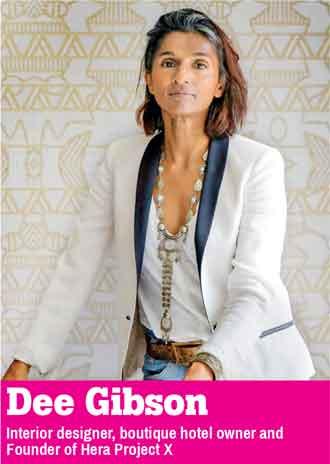
In the Hospitality industry women make up over 50% of the labour force globally, but in Sri Lanka they make up less than 10%. This has a lot to do with outdated stereotypes- even stigmas- relating to women working in hospitality. To change this perception we need to engage in robust dialogue on a national level and also implement outreach, education and advocacy programmes. We need to give visibility to successful women within the industry as role models. We need to create safe and supportive workplace cultures and rethink work policies regarding women in the hospitality sector. For this cultural transformation to happen, it will require consistent leadership commitment, review and accountability.
We all have our roles to promote gender inclusivity, whether it is the public or private sector. Since its foundation, the Republic of Türkiye has taken many steps to strengthen the position of women in political, economic and social spheres. Our founding father Mustafa Kemal Atatürk gave the women the right to vote and be elected in 1934, which was years before many countries, including developed ones. In Türkiye, women are encouraged to participate in all areas of life, from politics to art, entertainment to sports. We walk shoulder to shoulder with women and men to carry our country to achieve our goals. I strongly believed that a modern, progressive society could only be achieved if women had the same opportunities as men.
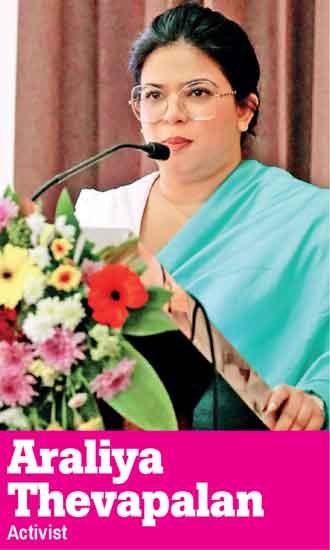
There are many laws and policies afloat, but how effectively are they being implemented and how relatable are they to the reality of women and girls in today’s society?
Bringing together representatives from all relevant stakeholders and authorities to unite through collaboration and cooperation will enable to identify the gaps hindering progress of an inclusive society and execute strategies that can overcome these gaps through policy reform and effective implementation. This will also bring greater accountability and transparency which will accelerate the progress.
The GOSL must take the lead and give priority. In 2025 we need less talk, more action.