AI SUMMARY GENERATED ONLY FROM THIS ARTICLE'S TEXT.
By Kshalini Nonis
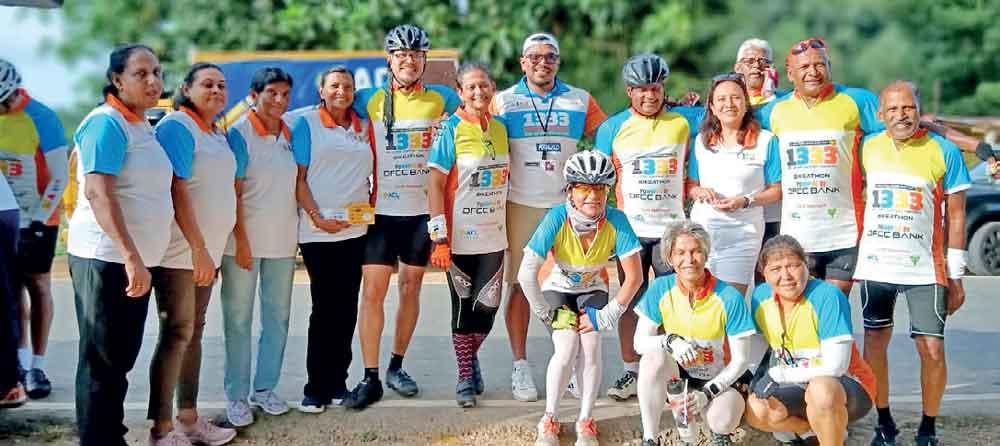
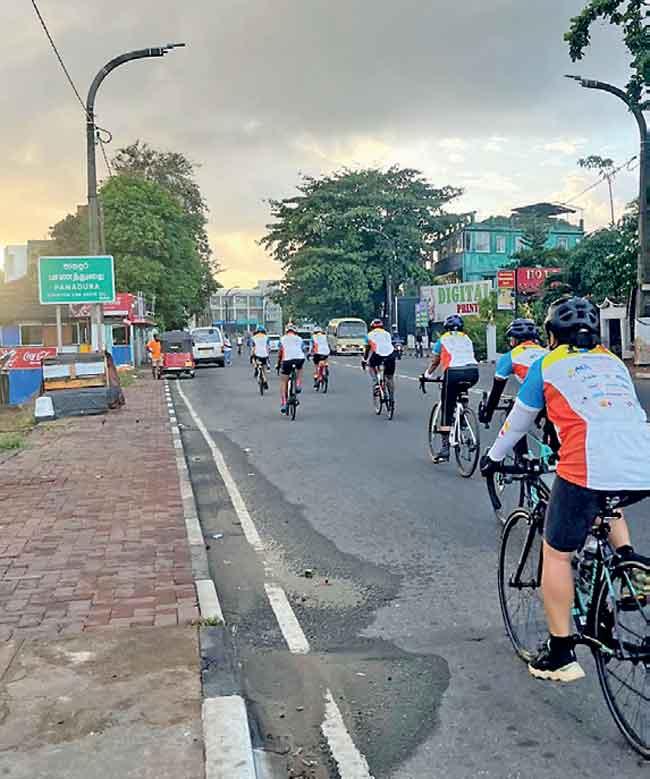
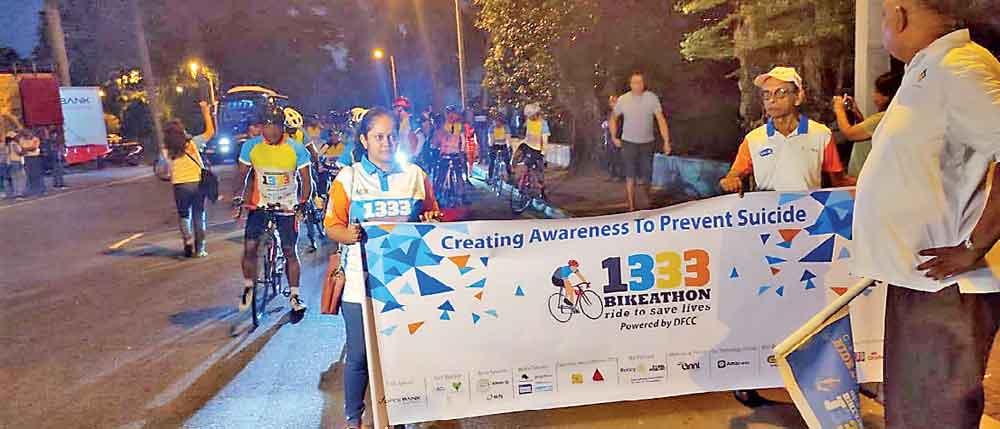
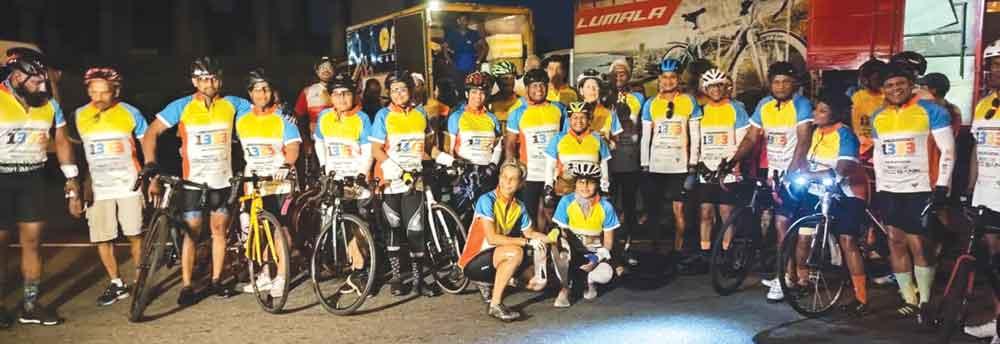
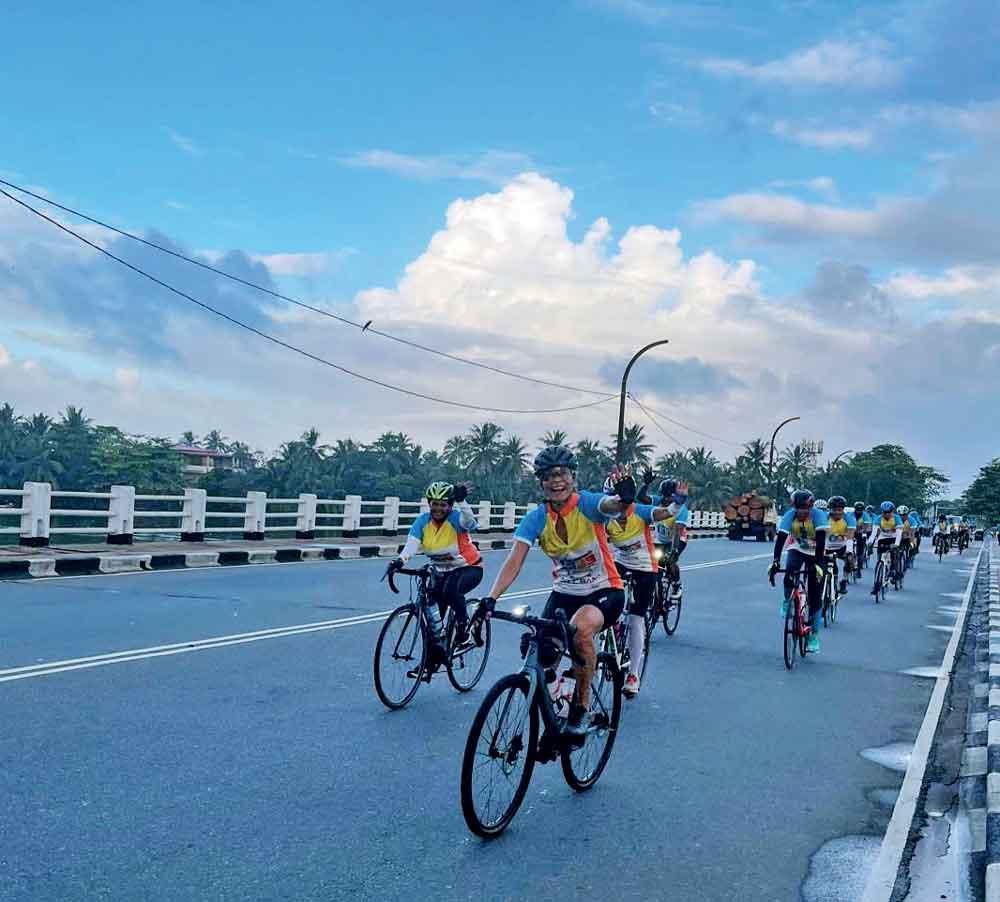
The 1333 Bikeathon commenced on August 29 and concludes on September 10, in commemoration of World Suicide Prevention Day. Its purpose is to honour lives lost, spread hope, and encourage people to seek help rather than resort to suicide.
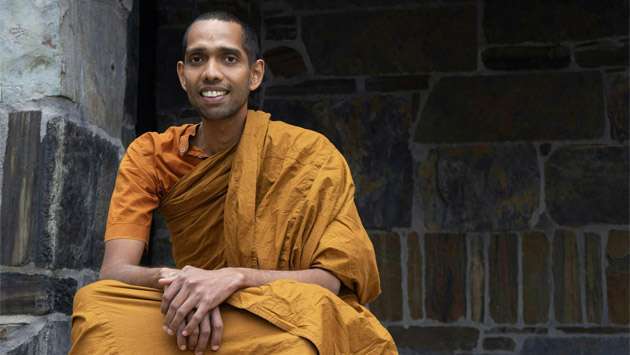
We had a chat with Buddhika Bulathsinghale Assistant Manager – Operations 1333, CCC Foundation/ CCCline 1333
QCan you briefly tell us about the 1333 Bikeathon and the main purpose of organising it?
The 1333 Bikeathon is an annual cycling event introduced in 2014 by 1333. It’s not a race but a long-distance ride designed to create awareness about mental health, emotional well-being, and suicide prevention. The event also raises funds to operate Sri Lanka’s first toll-free, 24/7 crisis support line.
Held from August 29 to September 10, the Bikeathon spans 13 days, covering 1,333 kilometers across 13 cities, and concludes in commemoration of World Suicide Prevention Day. Its purpose is to honour lives lost, spread hope, and
QHow do you hope to raise awareness about mental health and well-being through this?
We raise awareness through a combination of media engagement and community programmes.
During the ride, we stop approximately every 20 km to conduct awareness programmes in collaboration with the Rotary Club of Colombo Regency – RI 3220 and other community networks such as Samurdhi Development Officers. These sessions include pocket meetings, discussions on recognising the value of life, ways to cope with distress before reaching a crisis point, and how society can create psychologically safe environments.
Our goal is to remind communities that suicide is preventable and to encourage open conversations about mental health, reducing stigma, and promoting well-being.
QCan you tell us about the 1333 crisis support line?
The 1333 Crisis Support Line is Sri Lanka’s first toll-free 24/7 crisis support service, dedicated to mental well-being and suicide prevention. It is available in three languages and ensures confidentiality and anonymity, so anyone can call without fear.
Our service is staffed by well-trained crisis supporters who provide compassionate, non- judgmental listening and support. We follow the Lifeline International model, which is based on Carl Rogers’ Person-Centered Therapy, emphasising empathy and active listening through talk therapy.
If a caller needs additional help, we connect them to qualified professionals or trusted support organisations for further assistance.
QHow has it helped those who have in a sense lost all hope and feel suicidal?
When someone feels hopeless or suicidal, what they need most is to be heard without judgment. At 1333, we provide a safe space where callers can express their pain freely, without fear of being interrupted or advised. Our trained crisis supporters offer courage, compassion, and commitment to every individual.
Through active listening and professional support, we help them explore their feelings, identify their inner strengths, and recognise available resources. By the end of the conversation, many callers feel relieved, more hopeful, and empowered to take positive steps forward, rather than acting on suicidal thoughts.
QWhat do you hope to achieve by the community engagement sessions in each destination city?
Through our community engagement sessions, we aim to create awareness about the reality of mental illness and suicide while promoting understanding and compassion. These sessions encourage people to see, hear, and value each other, starting within their own families and communities.
We also educate participants about the support systems and organisations available to help those in need. Ultimately, our goal is to break the stigma, end the silence, and build psychologically safe communities where people feel empowered to seek help and support one another.
QWhat is the main focus of these discussions?
The main focus of these discussions is to encourage open conversations about mental health through our Let’s TALK approach. This approach emphasises:
T - Recognising the tell-tale signs of distress.
A - Acknowledging feelings without judgement.
L - Listening actively and empathetically.
K - Keeping in touch and providing ongoing support.
By fostering safe spaces to talk, we aim to reduce three common fears people often experience:
Feeling unloved.
Feeling like they do not belong.
Feeling inadequate or “not good enough.”
Through these discussions, we empower individuals to connect, share, and support one another, building stronger, psychologically safe communities.
QCan you tell us about suicide rates in Sri Lanka and the reason it has increased in recent times?
According to police reports, Sri Lanka has historically had a high suicide rate of around 14 per 100,000 people. In 2022, 3,406 people died by suicide, the majority of whom were men. WHO statistics indicate that on average, 8 to 10 people die by suicide every day in the country.
The recent increase in suicides is influenced by a combination of mental health challenges, social and economic pressures, relationship difficulties, and stigma around seeking help.
These factors highlight the urgent need for awareness, early intervention, and accessible support systems like the 1333 Crisis Support Line.
QWhat are the main reasons people resort to suicide?
The main reasons people resort to suicide include relationship breakups, loneliness, financial difficulties, domestic violence, and other personal challenges. However, research shows that about 50% of people who die by suicide have underlying mental health conditions, and many of them do not receive proper treatment or medication.
QFinally, in your opinion what can be done to combat the increase in the suicide rate especially among young people?
In my opinion, combating the rising suicide rate, especially among young people, requires a multi-faceted approach. Based on the calls we receive, we see that resilience among youth is often low, and many struggle with unhealthy relationships or a lack of supportive friendships.
For example, in the past few months, we have observed that some young people do not have strong peer connections, making it harder for them to cope with stress.
To address this, we need to encourage open communication, helping young people express their feelings, share their problems, and seek guidance before making critical decisions. Building emotional resilience, social support networks, and awareness of mental health resources is essential. Communities, schools, and families all have a role in creating psychologically safe environments where young people feel heard, valued, and supported.
This is the gap that 1333 aims to fill, by providing support, awareness, and resources to empower young people and prevent suicide.
Comments - 0
Comments - 1333 Bikeathon Raising Awareness about mental health, emotional well-being, and suicide prevention
222
Add comment
Comments will be edited (grammar, spelling and slang) and authorized at the discretion of Daily Mirror online. The website also has the right not to publish selected comments.