Reply To:
Name - Reply Comment
|
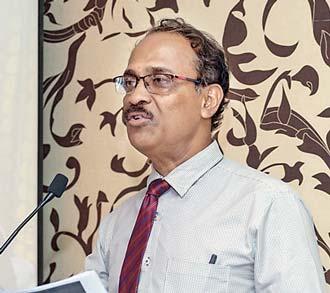
Leel Randeni |
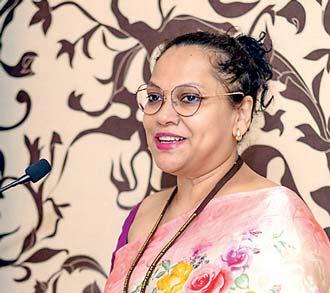
Chamindry Saparamadu |
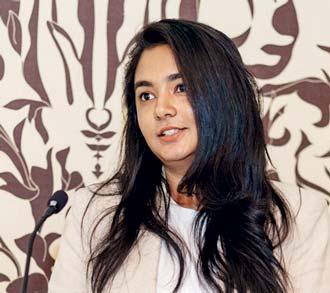
Dulanga Witharanage |
SLYCAN Trust hosted a stakeholder gathering recently at NH Collection Colombo as part of the Multi-Actor Partnership (MAP) for Climate and Disaster Risk Management and Finance initiative.
The highlight of the event was the presentation of the draft MAP guidelines, a comprehensive document developed through extensive research, multi-sectoral consultations and inputs from diverse stakeholders. The guidelines serve as a practical resource aimed at enhancing coordination, aligning strategies and supporting the creation of effective risk finance and insurance mechanisms.
The MAP supports national and local efforts to improve climate risk financing and insurance across three key sectors: food systems, tourism and apparel. Entrepreneurship serves as a cross-cutting thematic area across the sectoral MAPs. The MAP aims to build institutional capacities, inform policy frameworks, improve gender-responsiveness and drive evidence-based context-specific solutions that strengthen adaptive capacity and inclusive risk management.
Delivering one of the keynote addresses, Environment Ministry Director Climate Change Leel Randeni underscored the urgent need for innovative financing solutions to support Sri Lanka’s climate goals and address the impacts of loss and damage. He emphasised that achieving the country’s Nationally Determined Contributions requires inclusive, cross-sector collaboration.
Sustainable Development Council of Sri Lanka Director General/CEO Chamindry Saparamadu, who delivered the other keynote address, spotlighted the critical role sustainable finance plays in Sri Lanka’s climate and disaster risk management landscape and how the MAP guidelines serve as a key tool in guiding and supporting these efforts.
SLYCAN Trust Sri Lanka Acting Country Director Dulanga Witharanage said, “Today marks an important milestone for the MAP. Over the last years, we have worked closely with many stakeholders through consultations, workshops and collaborative research to shape the MAP guideline, aiming to create a practical and inclusive framework to support decision-making, coordination and the implementation of effective and innovative solutions on risk finance, insurance and other tools and instruments.”
Joining the session virtually, Magdalena Mirwald, Programme Manager for Climate Resilience and Risk Management at SLYCAN Trust’s global office in Bonn, Germany, highlighted a few successful global examples of MAPs and shared the emerging trends in climate and disaster risk finance and insurance.