Reply To:
Name - Reply Comment
|
Delvin Pereira |
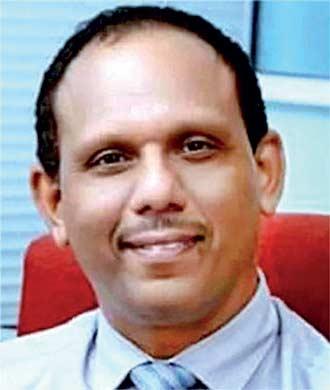
Delvin Pereira, Director at Amana Bank PLC and a banker with 37 years of experience in trade finance, SME lending, and risk management, has been appointed District Governor of Rotary Sri Lanka and Maldives for the 2025–2026 Rotary year.
One of Pereira’s core visions for his term is the revival of micro, small, and medium-sized enterprises (MSMEs), which he sees as vital to national recovery.
“SMEs form the backbone of our economy, contributing around 45 percent to GDP and driving income generation,” he emphasized. Yet, the sector is in deep crisis, with over 235,000 closures and approximately Rs. 5 million in unsold inventory—a stark result of recent economic shocks and the lasting impact of the pandemic.
“Many SMEs are barely staying afloat,” Pereira observed. “While top-tier businesses may weather the storm, the majority urgently need capacity-building support to withstand current pressures and reposition themselves for long-term sustainability.”
He identified multiple challenges stifling SME growth: rising taxation, soaring production costs due to forex constraints, and a volatile exchange rate. Despite various support initiatives from governmental and non-governmental entities, Pereira observed a critical lack of coordination. “Many entrepreneurs are unaware of the assistance available to them,” he noted.
This gap is precisely where Rotary intends to step in. Backed by its powerful network of over 2,000 professionals and business leaders, Rotary under Pereira’s leadership will focus on tangible, sustainable SME support programs.
At the core of his strategy lies targeted capacity building -particularly for micro and lower-to-mid-tier SMEs. This includes skill development, financial literacy, and access to financing and markets.
One of the flagship initiatives involves a partnership with Women in Management (WIM) to uplift women entrepreneurs through workshops, business support, and access to finance and sales channels.
Rotary is also establishing strategic linkages with banks, chambers of commerce, and export associations, fostering stronger ecosystems for entrepreneurs. Simultaneously, Rotary clubs across the island—more than 200 in total, will run localized workshops and mentoring programs, customized to regional needs, including for sectors like IT.
A particularly inspiring initiative focuses on supporting persons with disabilities engaged in self-employment. Rotary aims to help brand their products, enable market access, and tap into digital platforms such as social media and bank-driven video promotion tools, reducing the need for costly infrastructure. “There are so many available channels that many simply don’t know about. Our goal is to create awareness, build capacity, and enable progress,” Pereira emphasized.
Looking beyond national boundaries, Pereira plans to leverage Rotary International’s 1.4 million-strong global network to open doors for international partnerships and market access through the Rotary Means Business (RMB) initiative. Additionally, he sees an opportunity to attract foreign direct investment (FDI) by connecting Sri Lanka’s resilient entrepreneurs with overseas Rotarians who understand both international investor expectations and local realities —helping to overcome perceived sovereign risk barriers.
“These are not short-term interventions,” Pereira stressed. “Our goal is to implement sustainable, long-term solutions that deliver lasting impact.”
As Rotary Sri Lanka and Maldives enters a new chapter under Pereira’s stewardship, the organization is poised to make a measurable difference, strengthening the SME sector and thereby fostering inclusive economic growth.