Reply To:
Name - Reply Comment
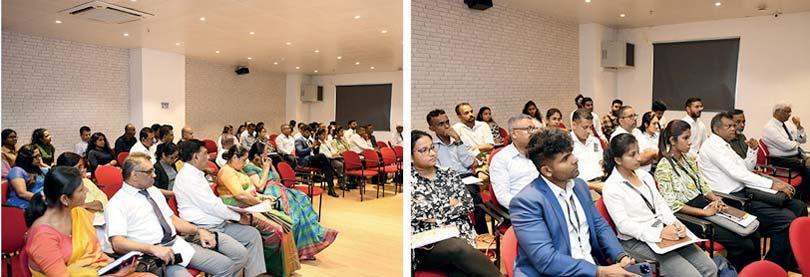
A stakeholder awareness programme on the recent revisions to the Sri Lankan organic standard and regulatory framework was successfully held at the Sri Lanka Export Development Board (EDB).
The event was organised by the National Organic Control Unit (NOCU) of the EDB, in collaboration with the Sri Lanka Standards Institution (SLSI) and United Kingdom Trade Partnership Programme. The objective of the session was to inform and educate the organic sector stakeholders on the recent updates made to the national organic regulations and standards.
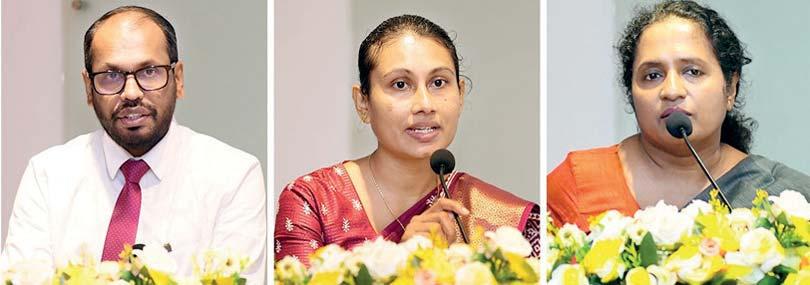
Delivering the keynote address, EDB Chairman and Chief Executive Officer Mangala Wijesinghe emphasised the importance of aligning Sri Lanka’s organic certification and regulatory systems with international benchmarks. He highlighted that such efforts are essential for maintaining credibility in global markets and for ensuring continued growth in the organic agriculture sector.
Wijesinghe noted that Sri Lanka’s organic agricultural export sector has seen a significant growth over the past three decades, contributing valuable foreign exchange to the country. He stated that the global organic market is valued at approximately EUR 136.4 billion, with Sri Lanka earning over US $ 500 million annually as a trusted supplier of certified organic agricultural products.
He further highlighted that nearly 400 certified organic exporters in Sri Lanka operate under various international certification standards such as Sri Lankan, EU, USDA, JAS, Demeter and Naturland, collectively covering more than 70,000 hectares of agricultural land. Additionally, over 20,000 farmers have been certified as organic, organised under exporter and processor-based farmer groups.
The technical session was led by SLSI Assistant Director Ganiesha De Silva, who provided a detailed overview of the revisions made to the national standard on organic agriculture (SLS 1324:2018). Following this, NOCU Assistant Director Vinoka Perera presented the key updates to the national organic regulatory framework, discussing their implications for the stakeholders involved in certification, production and export.
The programme attracted a wide array of participants from the organic farming community, certification bodies, exporters and regulatory agencies.