Reply To:
Name - Reply Comment

ILO Director-General Gilbert F. Houngbo in a video message to event
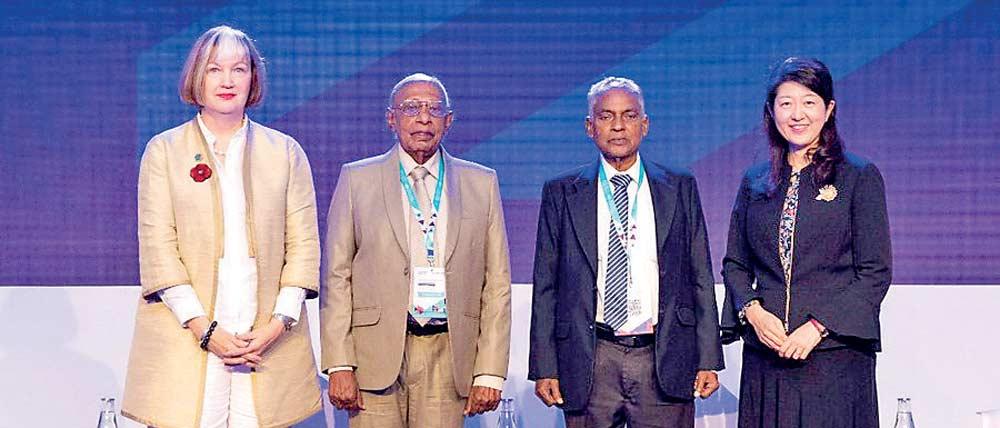
Two distinguished Sri Lankan trade unions — Sri Lanka Nidahas Sewaka Sangamaya and Ceylon Workers Congress — join Global Coalition for Social Justice initiated by ILO
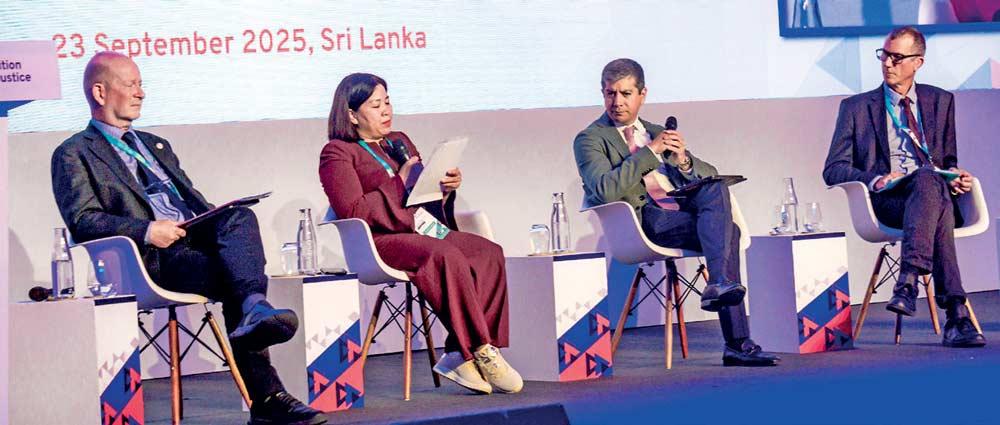 A panel discussion in progress
The Asia-Pacific region can demonstrate that the living wages are achievable through a systematic approach grounded in social dialogue and evidence-based wage systems, the participants at a regional dialogue organised by the International Labour Organisation (ILO) heard.
Shaping the living wage agenda in Asia and the Pacific – a high-level regional dialogue, under the Global Coalition for Social Justice, kicked off in Colombo yesterday and will go on till September 26, 2025.
The event brought together participants from 16 countries to explore making living wages a reality for all workers in Asia and the Pacific.
The dialogue heard that despite a steady growth in average wages in Asia and the Pacific, millions of workers, especially women, migrants and those in informal employment, continue to struggle with low pay, poor working conditions and rising costs of living.
“What we need is a wage that allows the workers not just to survive but to live with dignity — a living wage. A living wage means being able to put healthy food on the table, afford decent housing, send children to school and seek medical care when needed,” said ILO Director-General Gilbert F. Houngbo in a video message to the event.
The participants stressed that the ILO’s living wage principles—social dialogue, equality, balancing workers’ needs with enterprise and economic realities, addressing the root causes of low pay as well as using evidence-based approaches—are vital for building predictable and effective wage-setting processes to ensure adequate wages.
The discussions highlighted the need to align the living wage initiatives and national wage-setting efforts with the ILO principles to help ensure that economic growth translates into better livelihoods and shared prosperity.
“With its vast workforce and role as a global economic engine, the region has the opportunity to demonstrate that the living wages are not just aspirational but achievable through a systematic approach grounded in social dialogue,” said ILO Assistant Director-General and Regional Director for Asia and the Pacific Kaori Nakamura-Osaka.
The event also saw the launch of the Asia-Pacific Digital Repository for Minimum Wages, the region’s first-of-its kind platform bringing minimum wage data in one place. The repository enhances accessibility, transparency and consistency in wage-setting and forms part of the ILO’s broader efforts to support the member states to develop evidence-based wage policies. Following the high-level dialogue, a three-day technical course on effective evidence-based wage policies, including living wages, will be held for government, employer and worker representatives from across the region.
The dialogue builds on the ILO’s historic 2024 agreement between governments, employers and workers on the concept of living wages and the launch of the first global programme in 2025 focused on supporting the countries to estimate and operationalise the living wages.
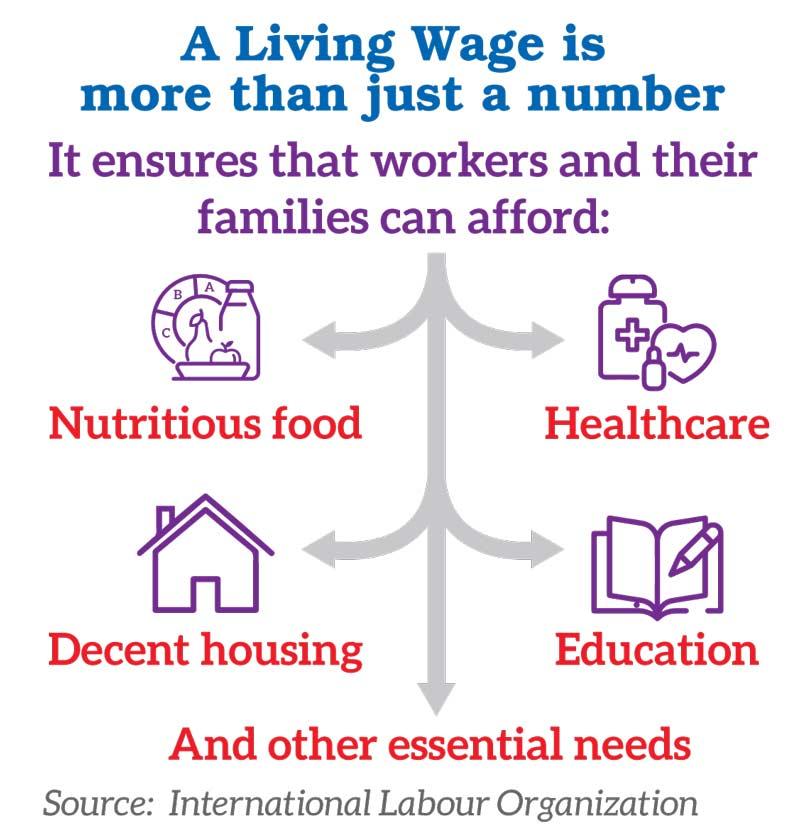
According to the ILO, a living wage enables the workers and their families to afford a decent standard of living, covering food, housing, healthcare, education and other essential needs. This differs from minimum wages, which are legally binding wage floors designed to protect the workers from unduly low pay but do not automatically guarantee a decent standard of living or provide remuneration sufficient to meet the needs of the workers and their families.