Reply To:
Name - Reply Comment
The Advocata Institute, while welcoming the government’s recent decision to waive visa fees for tourists from 40 additional countries, calls for broader liberalisation of the visa regime to fully unlock economic opportunities through tourism.
Sri Lanka is currently aiming for three million tourist arrivals and US$ 5 billion in revenue this year. Advocata believes that open, clear, and consistent visa policies—combined with a welcoming environment, investment-friendly regulation, and high-value targeting—will be essential to achieving that goal.
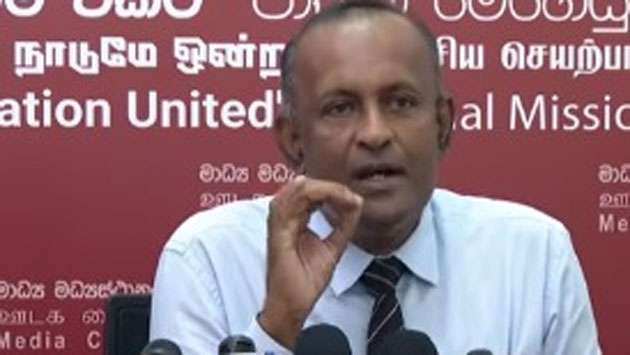
“This is a step in the right direction,” said Dhananath Fernando, CEO of Advocata Institute. “Tourism is one of the few sectors in Sri Lanka with immediate job-creating potential and strong multiplier effects across the economy. Reducing barriers to entry, even something as simple as waiving a fee, can go a long way in making Sri Lanka more attractive as a destination.”
The Institute emphasised that this should not be a one-off gesture, but the start of a broader liberalisation agenda. Advocata calls for Sri Lanka to work toward reverting to at least its pre-2012 visa regime, under which 84 countries were eligible for visas on arrival, without needing to apply for electronic travel authorization (ETA) in advance. This system was more consistent, easier for travellers, and better aligned with international best practices.
Advocata recommends that Sri Lanka introduce visa-on-arrival access for travellers who hold valid multiple-entry visas to high-screening countries, such as the United States, the European Union, the United Kingdom, or Australia. These travellers have already undergone extensive vetting and, in many cases, are eligible to enter more than 50 countries visa-free based on their existing travel history.
Additionally, the Institute suggests exploring the introduction of a two-year, renewable visa-on-arrival for citizens or permanent residents of countries with per capita incomes at least four times that of Sri Lanka. This would encourage long-stay travel, remote/nomad work, and academic or business exchange from high-income countries—contributing to knowledge transfer, professional networking, and investment.
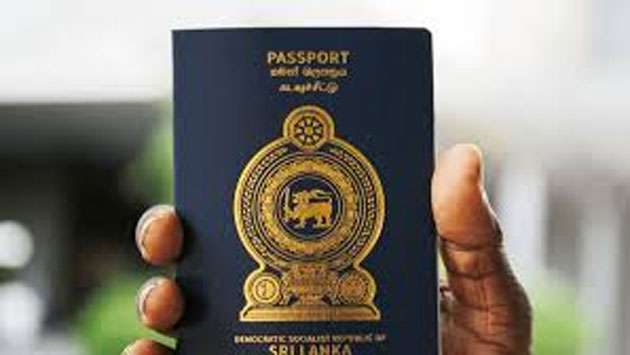
Advocata also highlighted the importance of visa policy consistency and better user experience. Sri Lanka’s visa regime has undergone several abrupt changes over the past decade, contributing to confusion among both tourists and travel agents. While visa fees may be waived, tourists are still required to apply online for an ETA, a process that often results in credit card payment issues (for those from countries that do not have the fee waiver) and poor usability.
While the removal of visa fees is a welcome reform, Advocata cautions that this alone is not enough to ensure tourism success. Sri Lanka must also tackle the deeper structural issues in the sector. This includes attracting higher-spending tourists through well-targeted global marketing campaigns, and creating the right investment climate to bring in the infrastructure and innovation needed for long-term growth.