Reply To:
Name - Reply Comment
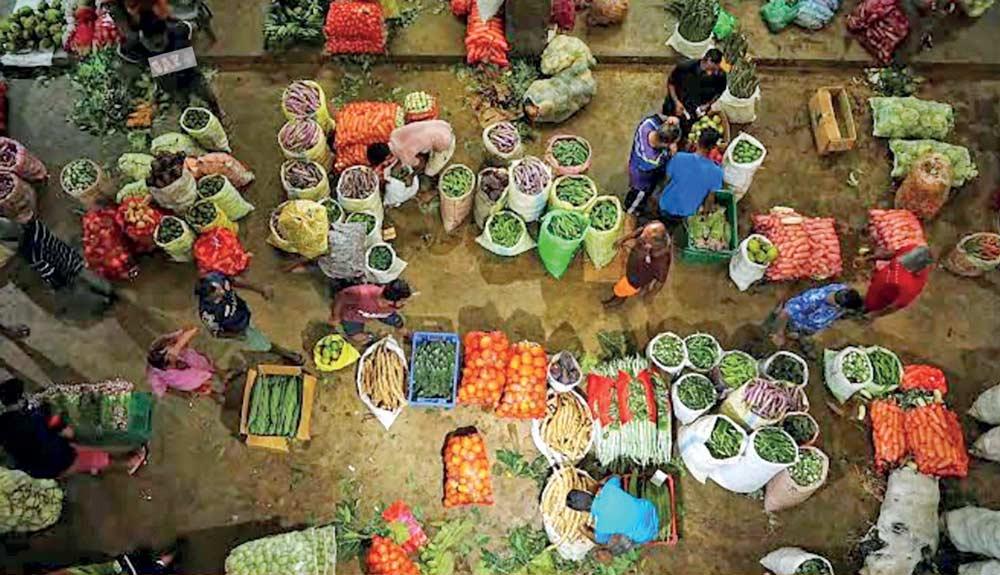
The headline inflation in the Colombo district accelerated to 2.3 percent in January 2026 from a year ago.
This is from 2.1 percent in December 2025, on higher food prices. However, the annual non-food prices remained unchanged.
The prices measured monthly slowed to 0.6 percent in January from December 2025, from a 1.2 percent pace. This is due to sharp price increases seen in the food basket in December, predominantly caused by the supply chain disruptions caused by the floods.
In fact, the monthly price increases in food goods eased to a mere 0.6 percent in January, from a 3.9 percent increase in December 2025.
There were damages to large swaths of crops and infrastructure, which disrupted the supplies in a key festive month, sending the prices of many food goods higher.
The annual food prices rose by 3.3 percent, from 3.0 percent through December 2025.
The prices of rice, sea fish, dried fish, fresh fruit, vegetables and green chilies rose the most while the prices of chicken, eggs, milk powder, coconuts, limes and a few others eased in January.
Meanwhile, the non-food inflation rose by 0.6 percent in January from zero percent in December, while the annual non-food price increase remained unchanged at 1.8 percent.
The prices of almost all categories under non-food rose by a tad in January.
What the households pay for rent, restaurants and hotels, education and transport rose in January from the December 2025 levels.
The Central Bank this week left its key policy rate unchanged at 7.75 percent, as it remained confident about the ability of it to steer inflation towards its medium-term target of 5 percent by the middle of this year. Global energy and other commodities prices are also softer, due to the actions by the Trump administration in the United States to rewrite the global order.
Further, the weaker dollar should also help Sri Lanka to ease the prices of almost all goods people consume.
The core inflation, measured barring the often-volatile food, energy and transport, rose by 2.3 percent in January, slightly easing from 2.7 percent through December 2025.