Reply To:
Name - Reply Comment
Colombo, Dec. 30 (Daily Mirror) - Sri Lanka’s recovery will not be secured by caution alone. It will be secured by bold, strategic choices that multiply economic opportunity. India’s proposed Palk Strait Bridge is one such choice—one that has the potential to transform Sri Lanka’s trade, tourism, and long-term growth trajectory many times over.
India’s support during Sri Lanka’s worst economic collapse is beyond dispute. When the country was in economic ICU, India acted first and at scale—fuel, food, medicine, credit lines, currency support, and diplomatic backing when Sri Lanka’s options were evaporating. That intervention stabilised the economy and moved Sri Lanka from crisis to recovery. Today, this week, with a fresh USD 440 million sister-relief and reconstruction package, India’s commitment remains tangible and sustained.
The Palk Strait Bridge should be understood as the logical next step in this partnership—not aid, but an economic multiplier.
Trade: From Marginal Gains to Multi-Fold Expansion
Sri Lanka currently trades with India largely through sea and air routes that add cost, time, and inefficiency. A direct physical link would change this equation fundamentally. It would slash logistics costs, compress delivery times, and integrate Sri Lankan producers directly into Indian supply chains.
South India alone represents a market of over 250 million people—larger than the combined populations of many of Sri Lanka’s key export destinations. With a bridge in place, Sri Lanka’s agricultural exports, processed foods, fisheries, manufactured goods, pharmaceuticals, and services would gain faster, cheaper, and more reliable access to this massive consumer base.
Trade would not grow incrementally; it would multiply. Volume, frequency, and scale would increase across sectors. Sri Lanka would shift from being a distant trading partner to a near-market supplier. Logistics hubs, cold storage, transport services, warehousing, and cross-border industrial zones would emerge, generating employment and investment far beyond Colombo.
This is how small economies grow fast—by plugging directly into large markets.
Tourism: Not Growth, but an Explosion
Tourism is where the bridge’s impact would be most dramatic. India is already Sri Lanka’s number one tourism source market. A physical connection would unlock an entirely new tourism model—high-volume, short-stay, repeat travel on a scale Sri Lanka has never experienced.
For hundreds of millions of middle-class South Indians, Sri Lanka would become the closest, easiest, and most affordable international destination. Weekend holidays, religious pilgrimages, medical tourism, wellness travel, education visits, cruise-linked travel, and family tourism would surge.
Tourist arrivals would not double—they could multiply several times over. Crucially, this growth would be resilient, year-round, and less vulnerable to global shocks than long-haul tourism.
The benefits would flow directly to small and medium businesses: hotels, homestays, restaurants, taxis, tour operators, retail, and local producers—particularly in the Northern and Eastern Provinces. Tourism would no longer be constrained by flight capacity, high airfares, or seasonality.
Regional Development and National Resilience
The bridge would rebalance Sri Lanka’s economic geography. Northern Sri Lanka would transform from a peripheral region into a gateway economy. Infrastructure attracts industry, and industry attracts skills, investment, and stability.
This is not dependence; it is strategic positioning. Sri Lanka would retain full sovereignty over borders, customs, security, and regulation. Connectivity strengthens autonomy by creating economic depth and resilience.
The Strategic Choice Ahead
Sri Lanka has a choice: pursue cautious recovery or embrace transformative growth. History shows that countries emerging from crisis succeed when they integrate intelligently, leverage geography, and think at scale.
It is India helped move Sri Lanka from the ICU to the ward. The Palk Strait Bridge offers a path to full recovery and long-term strength.
Supporting it is not an act of sentiment—it is an act of national strategy.
If Sri Lanka wants to multiply trade, unleash tourism at scale, create jobs, and anchor itself firmly in regional growth, then this is not just a bridge worth building—it is one Sri Lanka cannot afford not to build.
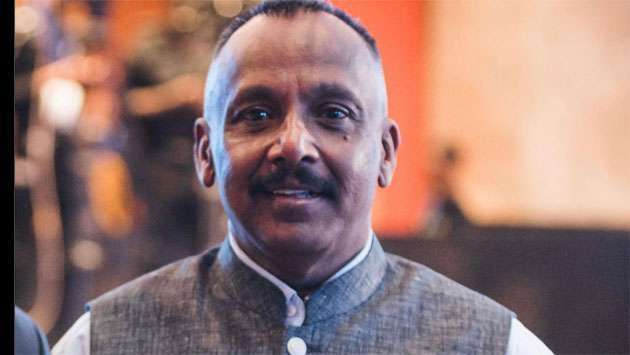
(The writer is Ambassador Kana Kananathan is a businessman , Diplomat and lobbyist with over four decades of experience on the African continent. A long-time resident of Africa, he served as Sri Lanka’s envoy to Kenya, with concurrent accreditation to 22 African Nations and was the permanent representative to UN Habitat and UN environmental Programme. Over the years, he has been the Elections Monitor across the continent, working closely with African governments, and built enduring partnerships with African leaders. He also served as Economic and investments Advisor to former President Professor Alpha Condé of the Republic of Guinea.