 SHABIYA ALI AHLAM
 Reply To:
Name - Reply Comment
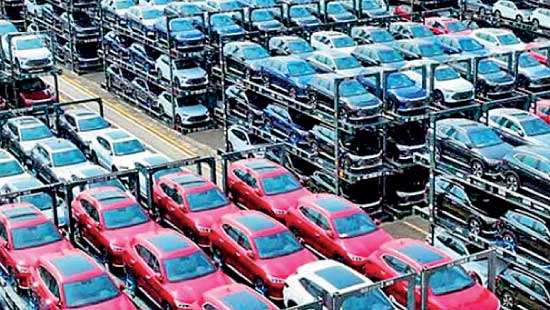
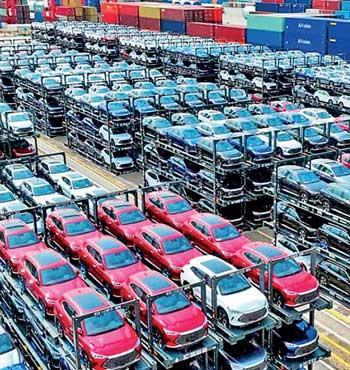 Sri Lanka’s vehicle registrations rose to a record high in January, driven by a strong demand for two-wheelers and a steady expansion in the secondary market, while a sharp pickup in truck and tipper volumes pointed to early signs of recovery in the construction-linked activity.
Total registrations climbed to 55,365 units in January, up from 48,525 units in December, according to JB Securities, with two-wheelers accounting for 64 percent of the market.
Registrations of motorcycles and scooters surged to 35,533 units, from 30,415 units, led by Bajaj, Honda and Hero, while electric two-wheelers also gained traction, with 2,976 units.
Motor car registrations declined month-on-month to 4,648 units, from 5,007, with brand-new cars dropping sharply to 556 units, from 1,150. Chinese EV entrant BAW led the new registrations, driven almost entirely by its low-cost E7 model, while the pre-owned car volumes rose to 4,092 units, dominated by small Japanese models such as Suzuki Wagon R and Toyota Yaris.
Across the market, around half of the registrations were financed, underscoring continued reliance on credit.
Commercial vehicle data showed a notable rise in construction-related demand. Medium truck registrations increased to 357 units in January, from 267 in December, while the heavy truck volumes rose to 238 units, from 178, with JB Securities estimating one of the highest monthly tipper volumes recorded in the past decade.
“The pickup in registrations of construction-linked vehicles, including tippers, loaders and trucks, suggests the sector has moved beyond the survival mode,” JB Securities CEO and economist Murtaza Jaffergy said, adding that what is emerging is “gradual re-fleeting and selective capacity expansion, not a boom but a measured response to improving demand conditions”.
Jaffergy noted that the construction sector output remains the below peak levels but has recovered steadily from the crisis trough, supported by the improving cement consumption, which is estimated to rise to 5.3 million metric tonnes in 2025, from 3.6 million in 2023.
The surge in registrations has also contributed to higher imports, with the vehicle imports peaking at US $ 311 million in December. Despite the record import volumes, Sri Lanka posted a current account surplus of US $ 45.2 million in December, aided by strong remittance inflows, while the Central Bank continued to accumulate foreign exchange, signalling improved liquidity conditions, even amid the elevated demand.