Reply To:
Name - Reply Comment
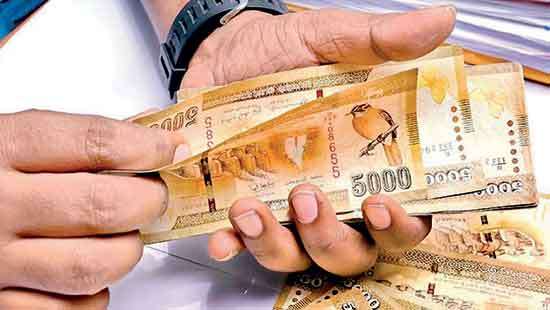
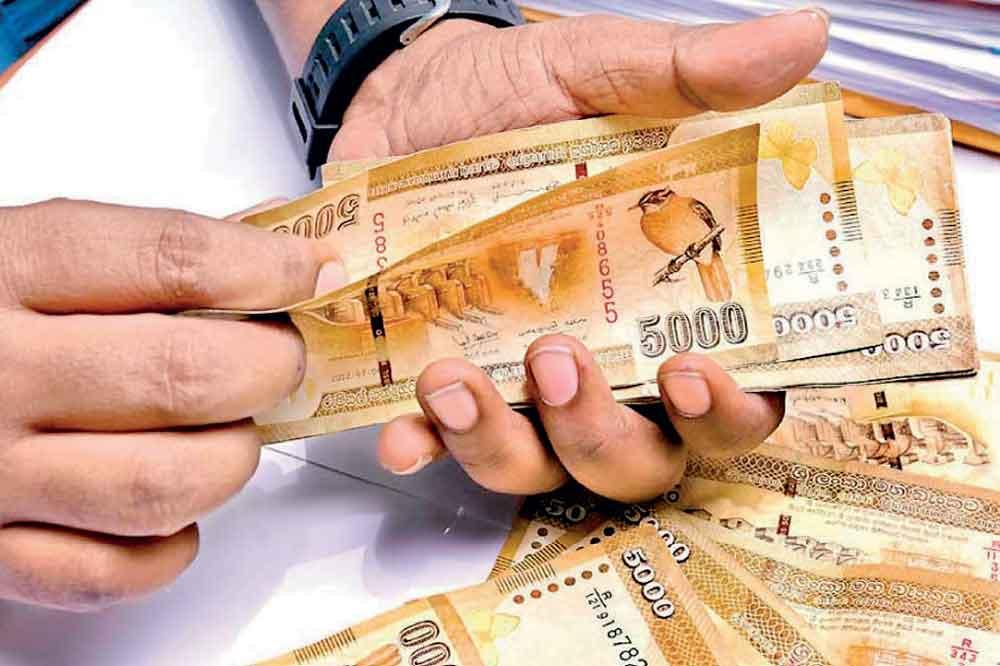
Pic by Nimalsiri Edirisinghe
The Central Bank yesterday issued a strong warning to businesses and consumers over the growing use of foreign currency for domestic payments, asserting such transactions are illegal and punishable by heavy fines and jail terms.
The Central Bank of Sri Lanka said it has noticed certain instances where residents in Sri Lanka transact within the country in foreign currency, rather than in Sri Lanka Rupees, and stressed that all payments between residents must be settled in rupees unless explicitly authorised.
Under the Central Bank of Sri Lanka Act of 2023, all transactions executed between or among residents in Sri Lanka shall be made in Sri Lankan Rupees, the bank said. This points to tighter enforcement of currency rules as authorities seek to preserve the integrity of the local monetary system.
The regulator also moved to shut down what it described as unauthorised merchant practices, warning that it has not approved local businesses to accept payments from Sri Lankan customers into foreign currency accounts through the conversion of rupees, including via credit or debit cards.
“The Central Bank has not granted any authorisation for local merchants to receive any payments from its local customers to the credit of any Foreign Currency Account,” it said.
The CBSL said both residents making foreign currency payments and merchants accepting them without approval commit an offence, carrying penalties of up to Rs. 25 million (US$ 83,000), imprisonment for up to three years, or both.
The Central Bank urged the public and the business community to comply strictly with the law to avoid severe legal consequences.